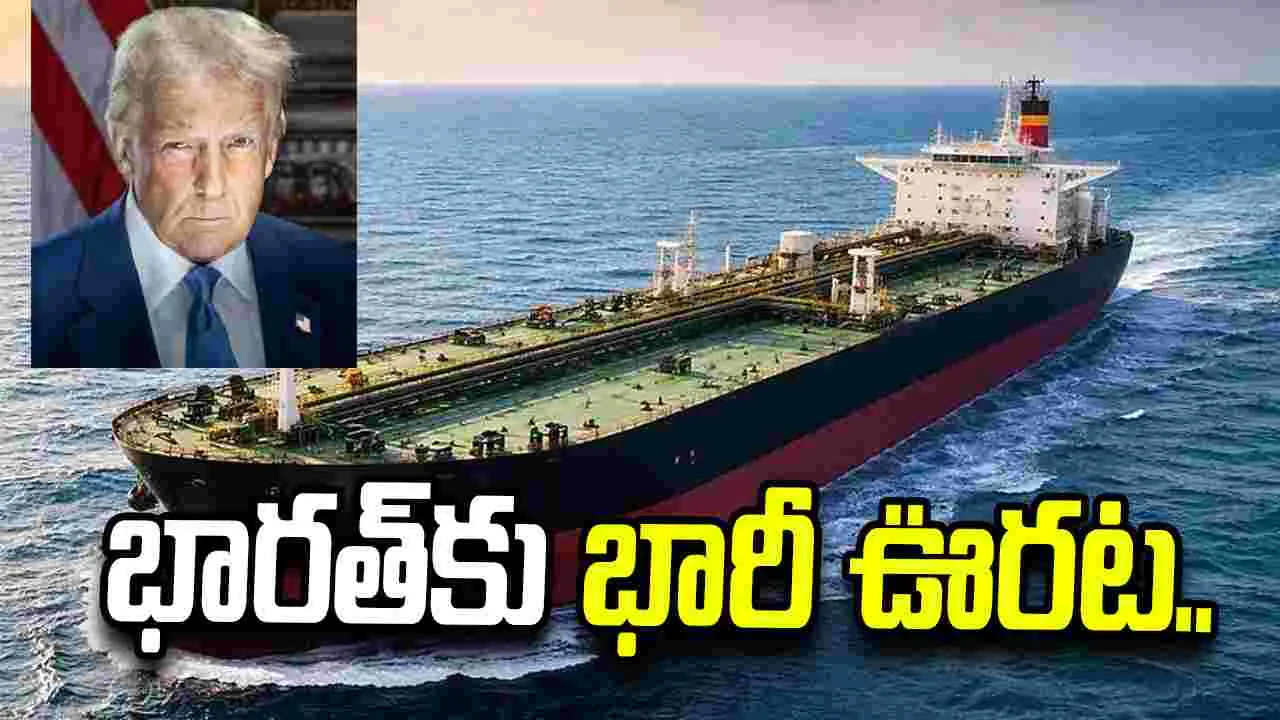
In the days leading up to mid‑October 2026, Indian officials watched Washington closely after reports emerged that the United States was preparing to levy a tariff as high as 100 percent on any nation that purchased Russian oil or natural gas. The prospect of such a penalty threatened to raise costs for Indian refiners and traders who had come to rely on Russian energy supplies amid tightening global markets. The news arrived just as the U.S. Secretary of State Marco Rubio was scheduled to visit India to discuss trade.
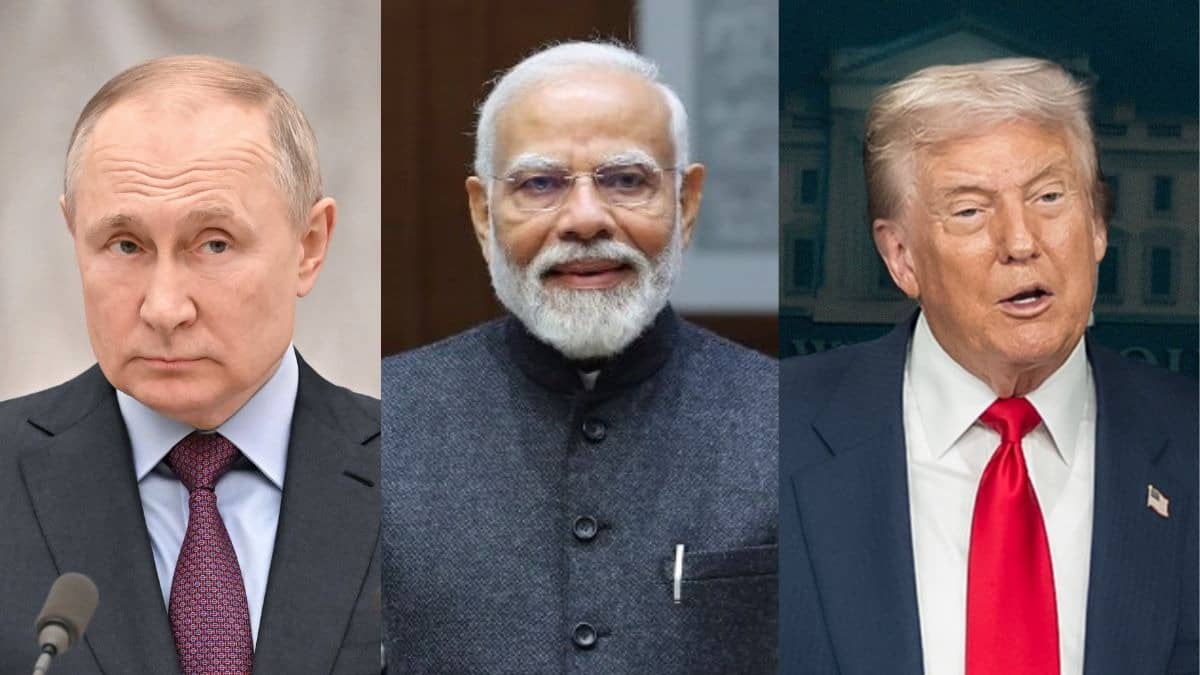
On 2026-10-16 President Donald Trump issued an executive order that suspended the new tariffs of up to 100 percent on countries buying Russian oil and gas. The announcement came directly ahead of Secretary Rubio’s arrival in India, offering the country a momentary reprieve from the looming trade penalty. The suspension was presented as a immediate action, meant to ease the pressure on Indian importers while the administration reviewed its broader approach to Russian energy exports.

ರಷ್ಯಾ ವಸ್ತುಗಳ ಸುಂಕಗಳಿಗೆ ಡೊನಾಲ್ಡ್ ಟ್ರಂಪ್ ವಿನಾಯಿತಿ; ತೈಲ ಆಮದಿಗೆ ಭಾರತ ನಿಟ್ಟುಸಿರು https://t.co/fKHGy6Caxo @XpressBengaluru @NewIndianXpress #DonaldTrump #indian #russia #OilImports Xpress BengaluruThe New Indian Express The White House Donald J. Trump See less
Later the same day, Trump also announced that he had waived several Russia‑related sanctions and tariffs under the Graham Act, a legislative vehicle associated with Senator Lindsey Graham. The waiver was described as easing trade pressure on both India and China, two nations that had been identified as major purchasers of Russian hydrocarbons. By invoking the Graham Act, the president signaled a shift toward a more permissive stance on certain secondary sanctions, even as he maintained other elements of his Russia‑focused agenda.
Despite the suspension and waiver, the briefing notes that Trump had simultaneously intensified tensions with Russia by increasing economic pressures elsewhere.
Despite the suspension and waiver, the briefing notes that Trump had simultaneously intensified tensions with Russia by increasing economic pressures elsewhere. On 2026-10-16 he imposed heavy tariffs on India and China, moves characterized as part of a broader strategy to limit Russia's influence in the global market and protect American interests. The imposition of these tariffs was presented as a counterbalance to the relief offered by the suspension, illustrating the administration’s tactic of mixing concessions with fresh barriers to steer the behavior of key trading partners.
The chronology for 2026-10-16 shows a dense series of announcements. In addition to the suspension of the new tariffs and the waiver under the Graham Act, Trump announced a set of executive orders on that date. The same day’s executive order waiving Russia‑related sanctions was noted separately, underscoring the administration’s use of multiple legal tools to adjust the sanctions landscape. The heavy tariffs on India and China were also listed as a distinct action taken on 2026-10-16, reinforcing the picture of a day marked by both relief and renewed pressure on the same two Asian economies.
The following day, 2026-10-17, Trump revoked the proposed 100 percent tariff on Russian oil imports, a move that directly addressed the claim that he had suspended new tariffs on Russian oil imports and later waived several Russia‑related sanctions and tariffs. The revocation reinforced the pattern of rolling back the most severe penalty while retaining other measures. Then, on 2026-10-20, Secretary of State Marco Rubio finally arrived in India for his scheduled talks with External Affairs Minister S Jaishankar, completing the diplomatic sequence that had framed the initial tariff suspension.
As of late October 2026, India finds itself navigating a shifting trade environment: the immediate threat of a 100 percent tariff on Russian energy purchases has been lifted, yet heavy tariffs remain in place on its exports to the United States, and the broader sanctions regime toward Russia continues to be adjusted through executive orders and legislative waivers. The administration’s approach remains a mix of relief and restriction, calibrated to influence both Russian behavior and the trade calculus of key partners like India and China.