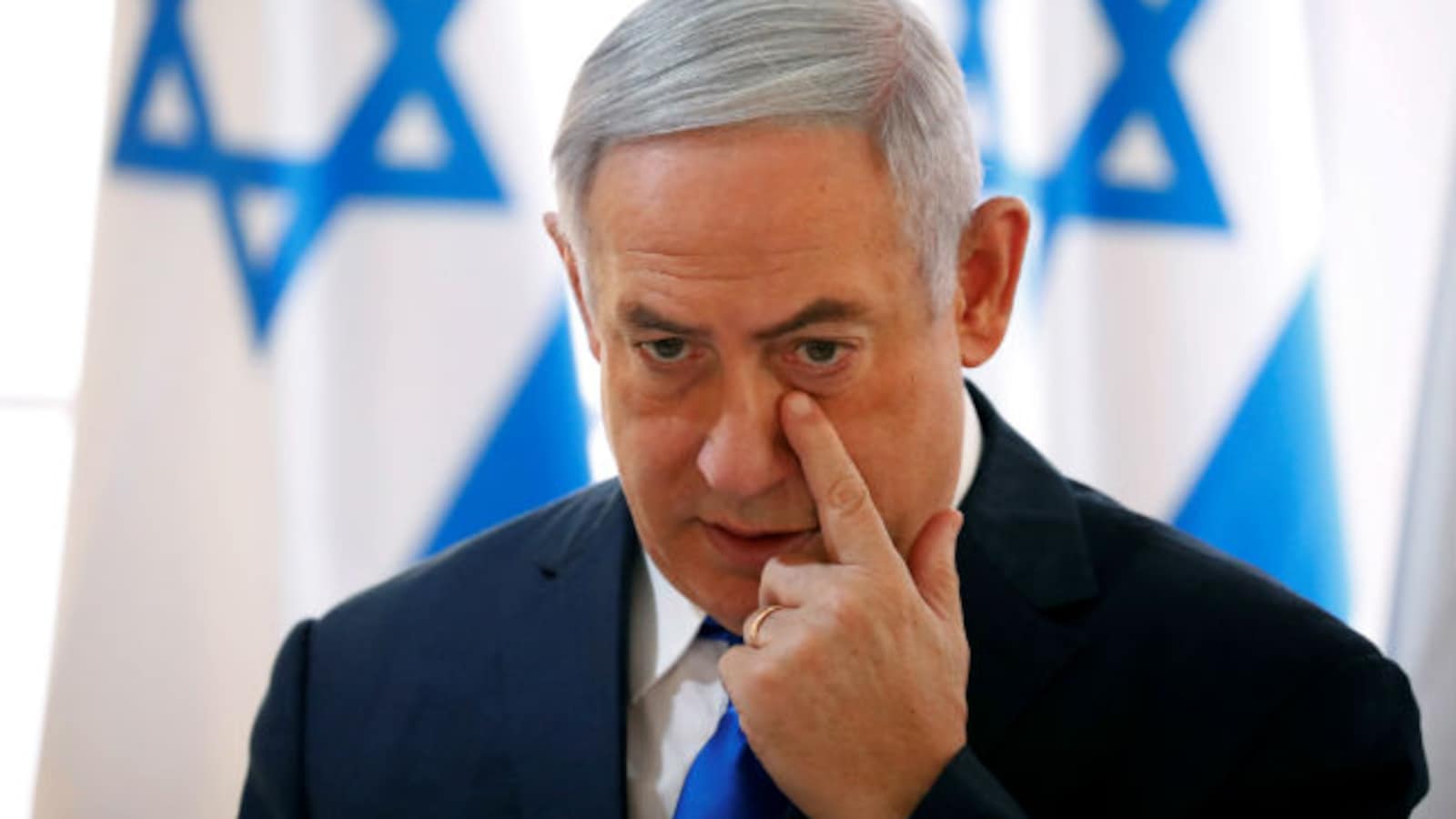
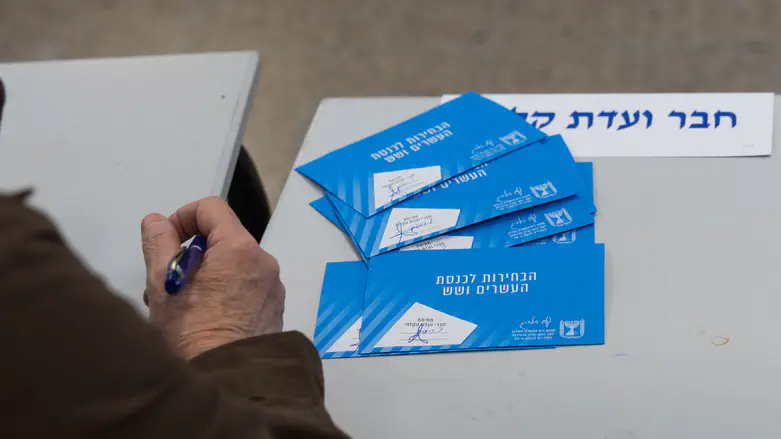
On October 27, 2026, Israel held its 26th Knesset elections, an event defined by a historic surge in civic participation. Following the October 7 massacre, the Israeli public turned out in numbers not seen in over 50 years, with voter turnout reaching 74.3%. This high level of engagement was not confined to any single demographic; as pollster Shlomo Filber noted, the increased participation was evident across all sectors, including the Arab community, left-wing strongholds, right-wing strongholds, and the haredim. Filber suggested that this unusually high participation would likely lead to a significant shift in the distribution of Knesset seats compared to the polling conducted in the days leading up to the vote.
As the polls closed, the initial data painted a picture of a deeply divided electorate. The Knesset, which consists of 120 seats, requires a threshold of 61 seats to form a stable governing majority. However, exit polls released by major networks—including Channels 11, 12, and 13—showed that neither Prime Minister Benjamin Netanyahu’s alliance nor the opposition bloc had managed to cross that critical line. While Netanyahu’s Likud party was projected to remain the largest single party in the parliament with 24 to 25 seats, his broader bloc fell short of the necessary majority. Similarly, the opposition bloc appeared to be hovering between 50 and 53 seats, leaving both sides in a state of political limbo.

Netanyahu has tied the change bloc according to the updated exit polls. The increase in Likud mandates to 27 has changed the forecast to 51-51 between the blocs on the Kann 11 and Channel 13 forecasts, while Eizenkot stays ahead on Channel 12. Netanyahu is far from defeated. I believe he will remain PM.
Amidst the uncertainty, the role of Arab-led parties has become increasingly pivotal. The Joint List and Ra’am are projected to secure a record-breaking 17 to 18 seats, positioning them as potential kingmakers in the complex process of coalition negotiations. This outcome underscores the reality that, in a fractured parliament, smaller factions hold significant leverage over the formation of the next government. As Dudi Hasid of Kan News remarked, there was a clear sense of surprise in the exit polls, with many parties finding themselves with numbers far removed from what they had initially imagined.
Similarly, the opposition bloc appeared to be hovering between 50 and 53 seats, leaving both sides in a state of political limbo.
As the results trickled in, the political rhetoric intensified. Opposition leader Yair Lapid was quick to characterize the outcome as a "crushing defeat" for Netanyahu, while Yair Golan suggested that the public had effectively "fired" the current government. Gadi Eisenkot, whose Yashar party was projected to win 21 to 23 seats, echoed these sentiments, stating that the results indicated a "complete lack of confidence" in Netanyahu and the government that has been in power since the October 7 massacre.
As Tzuriel Sharon noted, the only certainty at this hour is that the political landscape has shifted in ways that few anticipated, leaving the country to wait for the final results to determine who will lead in the coming term.