The Tata Group is currently navigating a period of internal friction. At the heart of this turbulence is a growing rift between Tata Trusts, the philanthropic arm that holds significant influence, and Tata Sons, the group's primary holding company. This tension has moved from boardroom discussions to the center of a political firestorm. The friction reached a formal milestone when Noel Tata stepped forward to challenge the reappointment of N Chandrasekaran as chairman. This move signals a significant shift in the internal dynamics of the group.

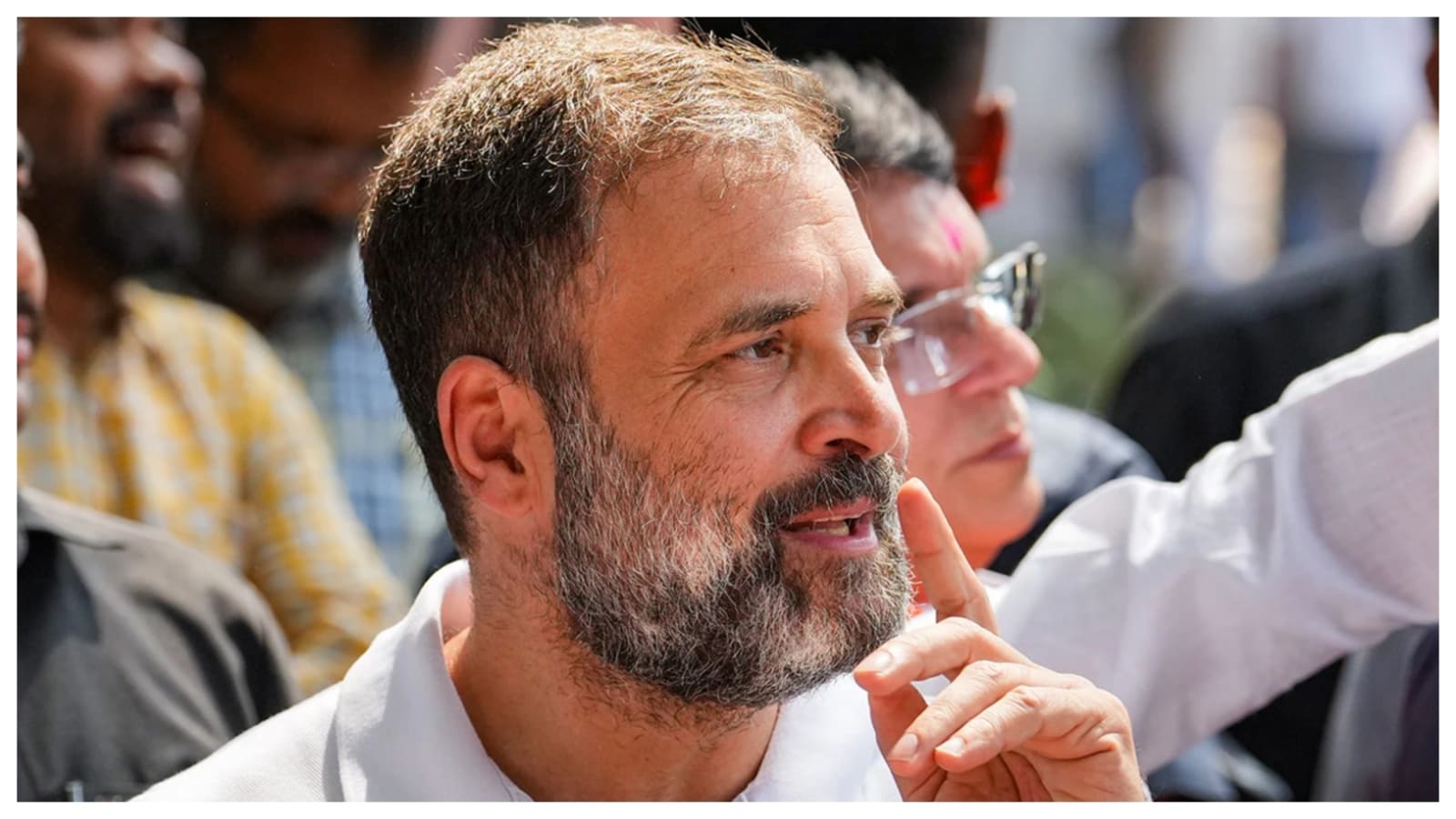
On October 28, 2026, the internal struggle of the Tata Group spilled out of the private sector and into the national political arena. Rahul Gandhi, the Leader of the Opposition, broke with previous political approaches by directly addressing the internal instability of the Tata Group. Gandhi's intervention marks the first time the Congress party has explicitly addressed the internal conflicts currently affecting the Tata empire. He has leveled a charge that the government, led by Narendra Modi and Amit Shah, is engaged in a process of 'criminally destroying' the Tata Group. By framing the leadership disputes not as corporate disagreements, but as political issues, Gandhi has transformed a business crisis into a political matter.

𝐓𝐚𝐭𝐚 𝐛𝐞𝐢𝐧𝐠 𝐝𝐞𝐬𝐭𝐫𝐨𝐲𝐞𝐝: 𝐑𝐚𝐡𝐮𝐥 𝐆𝐚𝐧𝐝𝐡𝐢 𝐬𝐚𝐲𝐬 𝐰𝐢𝐥𝐥 𝐞𝐧𝐬𝐮𝐫𝐞 𝐣𝐮𝐬𝐭𝐢𝐜𝐞 𝐚𝐦𝐢𝐝 𝐬𝐮𝐜𝐜𝐞𝐬𝐬𝐢𝐨𝐧 𝐫𝐨𝐰 Read more: https://t.co/WUp68Z0ar5 #Tata #RahulGandhi #SuccessionRow https://t.co/fwpNZU1bEm
Gandhi has characterized the relationship between the state and private enterprise as problematic. During his address, he challenged business leaders directly. Gandhi accused the nation's business leaders of remaining silent while the Tata Group faces what he describes as criminal destruction. This silence, he suggests, is a concerning response to the situation.
Gandhi accused the nation's business leaders of remaining silent while the Tata Group faces what he describes as criminal destruction.
As the rhetoric intensifies, the response from the broader business community has been notable for its absence. On the same day Gandhi made his accusations, industry leaders remained silent, choosing not to engage with the political characterization of the Tata Group's internal struggles. This silence creates a vacuum in the middle of a high-stakes confrontation. While the Tata Group itself maintains a neutral stance amidst the fray, the political implications of the dispute are unavoidable. The debate within the group highlights differing views on how a legacy institution should navigate leadership and governance. Whether these disagreements are purely procedural or part of a larger pattern of external interference remains the central question of the moment.