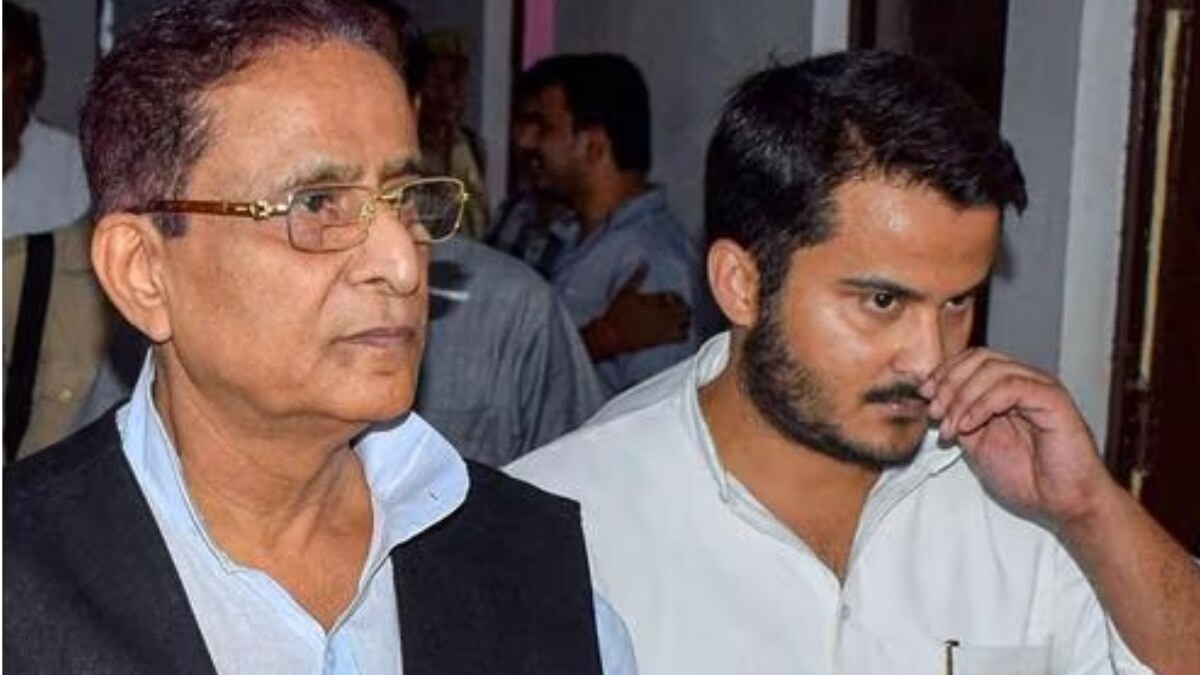
When the doors of the Allahabad High Court swung open on the morning of October 29, 2026, a handful of journalists and onlookers caught sight of two familiar faces stepping out of the courtroom: Ajam Khan, a regional political figure, and his son Abdullah Azam Khan. Their expressions were a mixture of relief and resolve, a visual echo of the legal tide that had just turned in their favor. Across the same bench, Azam Khan and his son Abdullah Azam Khan also received a similar reprieve, this time in cases tied to alleged fake identity documents. The simultaneous bail decisions, though rooted in distinct investigations, sent a ripple through the local political fabric, raising questions about the interplay of law, party loyalty, and public perception.

In India, the Permanent Account Number (PAN) card functions as a tax identification tool, essential for financial transactions and compliance. Allegations that individuals have misused or fabricated PAN applications can trigger criminal proceedings, especially when linked to broader fraud schemes. Ajam Khan and his son faced two such charges, each stemming from separate PAN-card applications that authorities deemed fraudulent. The cases were progressing through a trial court when the High Court intervened, granting interim bail and suspending the sentences that had kept the duo behind bars for an accumulated 346 days.

The Allahabad High Court has granted relief to former Cabinet Minister Mohammad Azam Khan and his son, former MLA Abdullah Azam Khan, in the two PAN card case. The Court had previously reserved its order after hearing applications seeking a stay on their conviction, suspension of their sentences, and the grant of interim bail. (file pic)
Azam Khan, a leader of a regional social party, and his son Abdullah Azam were previously convicted by a lower court on charges of producing counterfeit identity cards. The verdict carried a custodial sentence that had already seen the duo serving time. However, the Allahabad High Court, on the same day, overturned the lower court’s decision, granting them interim bail and putting a hold on the imposed sentences. While the court declined to acquit them outright, the suspension of their punishment marked a significant legal shift, offering a breath of fresh air to the party’s grassroots supporters.
Both sets of bail applications were filed as appeals to the Allahabad High Court.
Both sets of bail applications were filed as appeals to the Allahabad High Court. The court’s docket for October 29 recorded the formal requests from Ajam Khan and Abdullah Azam to stay their sentences and secure interim bail. The High Court’s rulings on these appeals’—granting bail while refusing outright acquittal’—reflected a nuanced judicial approach: acknowledging procedural concerns without fully exonerating the accused.

SP leader Azam Khan and his son Abdullah have been granted bail by Allahabad High Court in the case of possessing two PAN cards.
The immediate aftermath of the bail orders was palpable among party workers. For Azam Khan’s social party, the suspension of the sentences sparked a surge in morale, with local cadres interpreting the High Court’s decision as a vindication of their leader’s standing. Yet, legal analysts cautioned that the political future of both Khan families remained uncertain, emphasizing that bail does not erase the underlying allegations nor guarantee electoral success. The dual bail events also highlighted the fragile balance between legal outcomes and political capital in regions where party identity intertwines closely with personal leadership.
Neutral observers noted that the High Court’s willingness to grant bail in both instances underscored a broader judicial trend of ensuring that pre-trial detention does not become punitive in nature, especially when appeals are pending. By suspending sentences rather than granting outright acquittal, the court preserved the integrity of the investigative process while addressing concerns over prolonged incarceration. Experts also pointed out that the 346 days already served by the Khan families could influence future sentencing considerations, should the cases proceed to final judgment.

Dual PAN Card Case | #AllahabadHighCourt Grants Bail To Azam Khan, Son Abdullah Azam; Suspends Sentences Both are likely to walk out of jail https://t.co/Lv4owcTJFs
While the bail decisions temporarily lifted the immediate burden of imprisonment, the underlying cases remain active. The PAN-card allegations against Ajam Khan and his son continue under trial court scrutiny, and the fake-identity-card charges against Azam Khan and Abdullah Azam await further judicial examination. The High Court’s refusal to acquit leaves the legal cloud hanging over both families, suggesting that the next phases of these cases will be closely watched by political allies, opponents, and the broader public alike.
As of today, both Ajam Khan and Azam Khan, along with their respective sons, walk free but under the shadow of ongoing investigations. Their bail, granted on October 29, 2026, has suspended their sentences, allowing them to re-engage with their political activities while the courts continue to deliberate the merits of the accusations. The episode serves as a reminder of how legal decisions can swiftly reshape political narratives, especially in regions where personal leadership and party identity are deeply entwined.