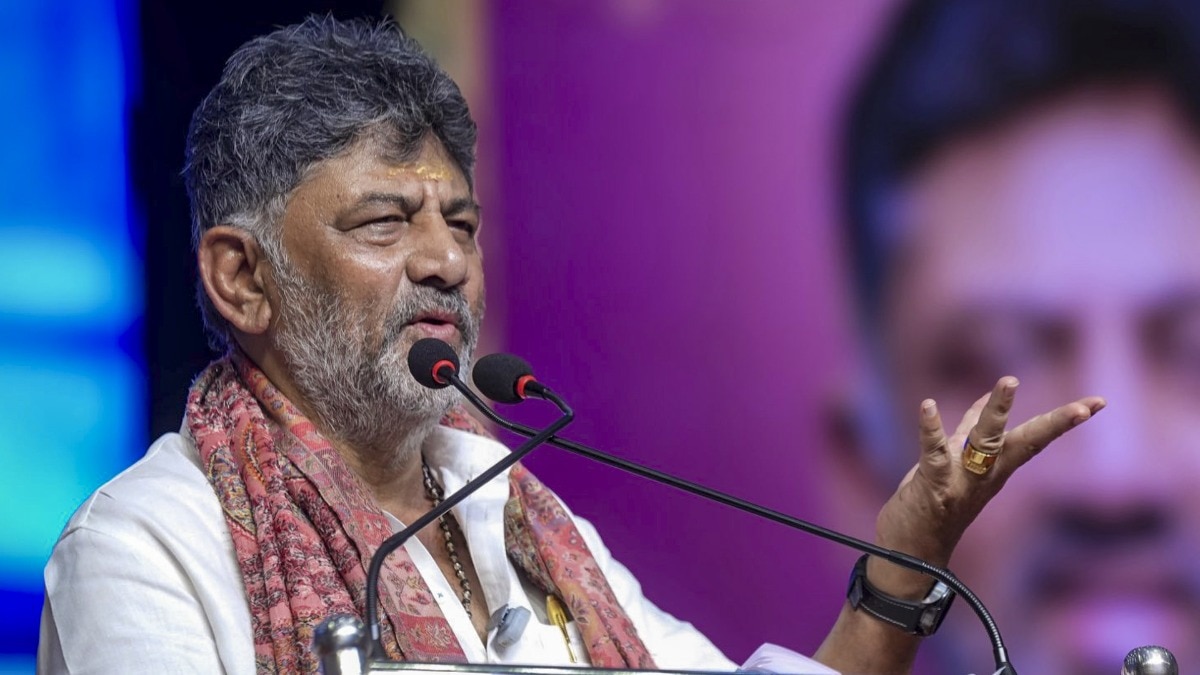
In the bustling tech hub of Bengaluru, the employment landscape for Kannadigas—Kannada-speaking residents—has become a contentious issue. The controversy began when a video went viral, alleging that private IT companies in Bengaluru were deliberately rejecting candidates who identified Kannada as their mother tongue, favoring Telugu and Tamil speakers from neighboring states. This incident sparked outrage among local residents and political leaders, with the Karnataka Chief Minister, DK Shivakumar, taking a firm stance against such discriminatory practices.

The video, which quickly gained traction on social media, showed a series of interviews with job seekers who were turned down by IT companies in Bengaluru. The candidates, all Kannadigas, reported that their applications were rejected despite meeting the required qualifications. The video highlighted the stark reality of language-based discrimination in the tech sector, a stark contrast to the inclusive image the industry often portrays.
The incident resonated deeply with the local community, who felt that their talent and contributions were being overlooked. Social media platforms were flooded with calls for action, with many demanding that the Karnataka government intervene. The pressure was palpable, and the government could not ignore the public outcry any longer.
The Karnataka government has a long history of advocating for the interests of its residents, particularly in the context of employment.
On October 25, the Karnataka Chief Minister DK Shivakumar issued a stern warning to private IT companies operating in Bengaluru. In a statement, he emphasized the importance of local talent and the government’s role in protecting employment opportunities for local youth. Shivakumar stated, 'If it is found that any private institution has deliberately sidelined Kannadigas, the government will take appropriate action.'
The warning came at a critical time for the IT sector in Bengaluru, which is one of the largest and most vibrant in India. The tech industry is a major contributor to the state’s economy, employing thousands of people and driving innovation. However, the allegations of discriminatory hiring practices threatened to undermine the trust and goodwill of the local community.
The IT companies operating in Bengaluru are no strangers to scrutiny. They are often seen as symbols of modernity and progress, attracting talent from across the country and even the world. However, the allegations of language-based discrimination cast a shadow over their image. The controversy has sparked a broader debate about the inclusivity of the tech sector and the need for more stringent measures to ensure equal opportunities for all.
Local tech companies, such as those in the Bengaluru-based startups ecosystem, have faced increasing pressure to diversify their hiring practices. While many have publicly committed to promoting diversity and inclusion, the allegations of discriminatory hiring practices have forced them to address these issues more seriously. The government’s warning has added another layer of accountability, pushing companies to review their hiring processes and ensure they are not inadvertently excluding local talent.
The Karnataka government has a long history of advocating for the interests of its residents, particularly in the context of employment. The state has implemented various initiatives to promote local talent and create job opportunities for its citizens. The current controversy highlights the need for the government to take a more proactive role in ensuring that private companies adhere to these principles.
DK Shivakumar’s warning is part of a broader strategy to protect local employment opportunities. The government has already taken steps to monitor the hiring practices of IT companies and ensure that they are not discriminating against Kannadigas. The chief minister’s statement is a clear signal that any company found to be engaging in discriminatory practices will face consequences.
The future of the tech sector in Bengaluru, and indeed in Karnataka, hangs in the balance. The controversy has brought to the forefront the issue of inclusivity and the need for a more equitable hiring process. While the government’s warning is a significant step, it is also a call to action for the private sector. Companies must now work closely with the government to ensure that their hiring practices are transparent and fair.
The tech industry in Bengaluru is a dynamic and evolving landscape. It has the potential to drive economic growth and innovation, but it must also be inclusive and representative of the diverse talent pool it serves. The allegations of discriminatory hiring practices have highlighted the need for a more nuanced approach to diversity and inclusion. As the debate continues, the tech sector in Bengaluru will be watching closely to see how the government and private companies navigate these challenges.
The controversy over language-based discrimination in the tech sector has brought to the forefront the complex issues of inclusivity and employment in Bengaluru. With the Karnataka government taking a firm stance, the tech companies in the region will have to confront these challenges head-on. The future of the tech sector in Bengaluru will be shaped by the actions taken in the coming months and years, as the industry works to ensure that all residents, regardless of their language or