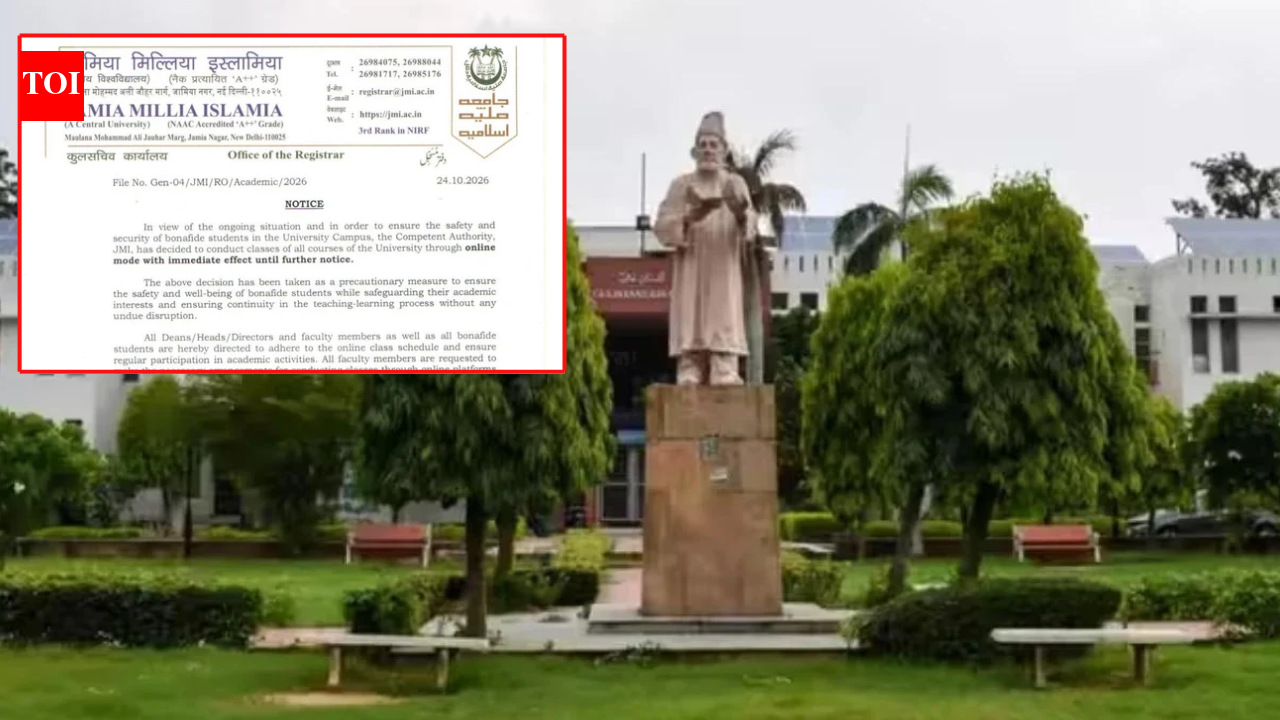
For the students and faculty of Jamia Millia Islamia, the familiar rhythm of campus life—the lecture halls, the spontaneous debates in the quad, the physical presence of a community—has been abruptly suspended. In a move that signals the deepening divide between the university administration and its student body, the institution has shifted all academic courses to an online format. This transition, announced on October 24, is not merely a logistical adjustment; it is a direct response to a mounting wave of unrest that has transformed the university grounds into a site of intense political friction.
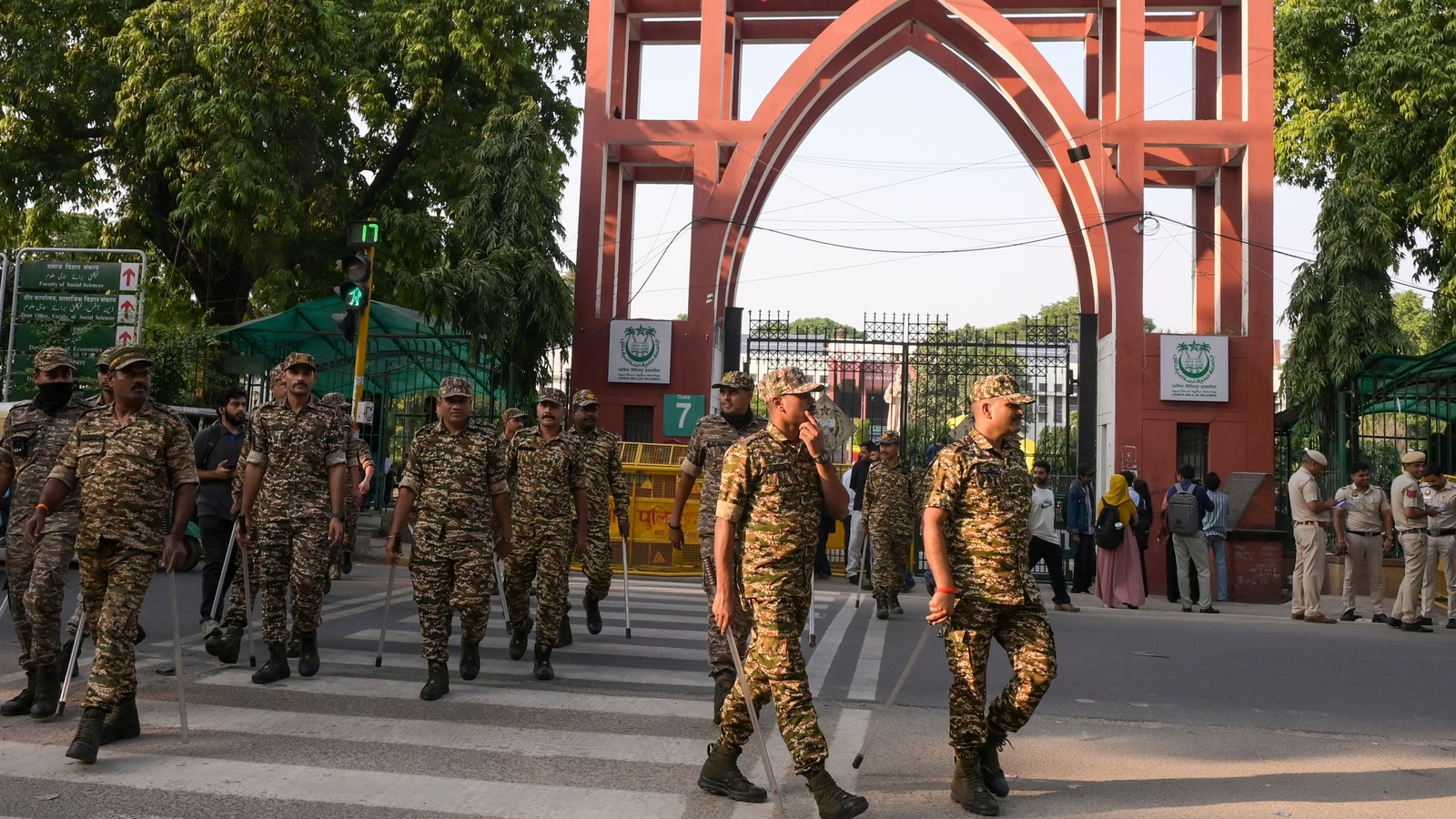
The current impasse traces its origins back to October 12, when students began a series of protests that have since paralyzed the campus. At the heart of the movement is a demand that reaches back nearly two decades: the restoration of the Jamia Millia Islamia Students’ Union. The union, which served as the primary vehicle for student advocacy and representation, has been defunct since 2006. For the current generation of students, the absence of this representative body is a fundamental denial of their right to participate in the governance of their own academic environment. Alongside this demand, protesters have called for the removal of the university’s chief proctor, citing a lack of confidence in the current administrative leadership.

Demand for students' union, row over ‘slogans’ trigger tensions in Jamia Millia Islamia https://t.co/qT62k24115
The tension on campus has been exacerbated by conflicting narratives regarding the nature of the protests. The environment grew increasingly volatile following reports of slogans allegedly chanted on campus, including references to 'Free Kashmir.' These claims have ignited a broader controversy, though they have been categorically denied by both the protesting students and a Congress leader. The dispute over these slogans highlights the precarious nature of campus discourse, where the line between political expression and institutional disruption is often blurred, and where every word uttered in the heat of a demonstration can become a flashpoint for wider scrutiny.
The environment grew increasingly volatile following reports of slogans allegedly chanted on campus, including references to 'Free Kashmir.
By late October, the protests had evolved into a high-stakes standoff. A group of students initiated a hunger strike, a traditional and potent form of dissent in the Indian political landscape, to force the administration to the negotiating table. The situation reached a breaking point when students alleged that those participating in the hunger strike were subjected to physical attacks by university security guards. These allegations of violence have transformed a dispute over administrative policy into a crisis of safety and institutional integrity, deepening the mistrust between the student body and the university leadership.

Jamia https://t.co/utPioliN30
On October 24, as the hunger strike continued, a delegation of professors attempted to mediate, meeting with the students in an effort to persuade them to call off their protest. However, the administration’s primary response to the deteriorating situation was the decision to move all courses to an online mode. By shifting to virtual instruction, the university cited the need to protect students and ensure academic continuity. While the administration frames this as a necessary precautionary measure to maintain safety, the students view it as a tactical retreat—a way to clear the campus and neutralize the impact of their physical presence. For now, the gates of Jamia Millia Islamia remain a site of uncertainty, with the academic future of the university currently playing out on screens rather than in the halls where these debates began.