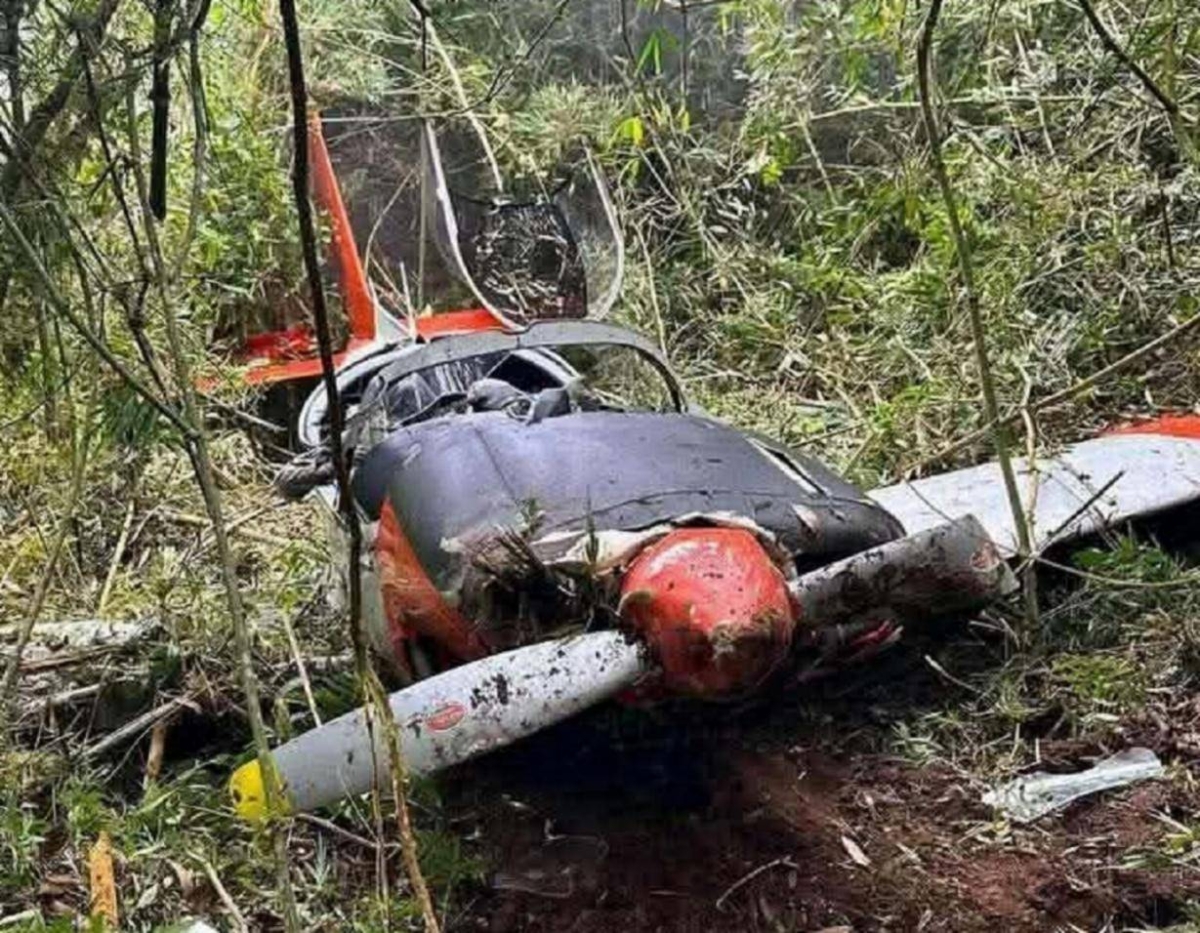
The day started like any other at Fernando Air Base, located just outside Manila, Philippines. Pilots from the Philippine Air Force (PAF) were preparing for a routine training flight, unaware that it would become one of the most tragic days in the history of the PAF. At 3:51 PM, two SF-260 aircraft, part of the PAF’s training fleet, took off from the air base. The skies were clear, and the weather conditions seemed ideal for the training mission. Little did anyone know, the next few minutes would be a nightmare for the military and its families.

The SF-260 is a twin-engine, single-seat aircraft used primarily for pilot training. On this fateful day, two such planes were flying in formation, preparing for a series of maneuvers. However, as the aircraft approached the northern part of the air base, something went terribly wrong. The exact cause of the crash is still under investigation, but initial reports suggest that the planes may have collided during a routine practice maneuver. The impact was catastrophic, and both aircraft came down in a fiery explosion, engulfing the surrounding area in a thick cloud of smoke and debris.

Four Philippine Air Force pilots were killed after two SF-260 aircraft crashed during a training flight at Fernando Air Base on October 23. The air force has temporarily grounded its entire SF-260 fleet as a precaution while an investigation into the cause of the crash is underway. #PhilippineAirForce #Philippines #AircraftCrash #TrainingFlight #AirForcePilots #IndiaTodaySocial
The crash resulted in the deaths of four military pilots, all of whom were in their prime. The loss of life has sent shockwaves through the military community and the nation. The families of the pilots are left to grapple with the unimaginable, while the PAF grapples with the aftermath. The Air Force has confirmed the deaths and is conducting a thorough investigation to determine the cause of the accident. The incident has also raised questions about the safety of the SF-260 fleet and the training procedures in place.
Memorials were held in various parts of the country, with flags flown at half-staff and a moment of silence observed in public and private spaces.
The crash near Fernando Air Base has not only affected the PAF but also the entire nation. News of the tragedy spread quickly, and the nation mourned the loss of its young heroes. Memorials were held in various parts of the country, with flags flown at half-staff and a moment of silence observed in public and private spaces. The incident has brought the nation together in a way that few events can, as people from all walks of life came together to pay their respects and offer support to the families of the fallen pilots.

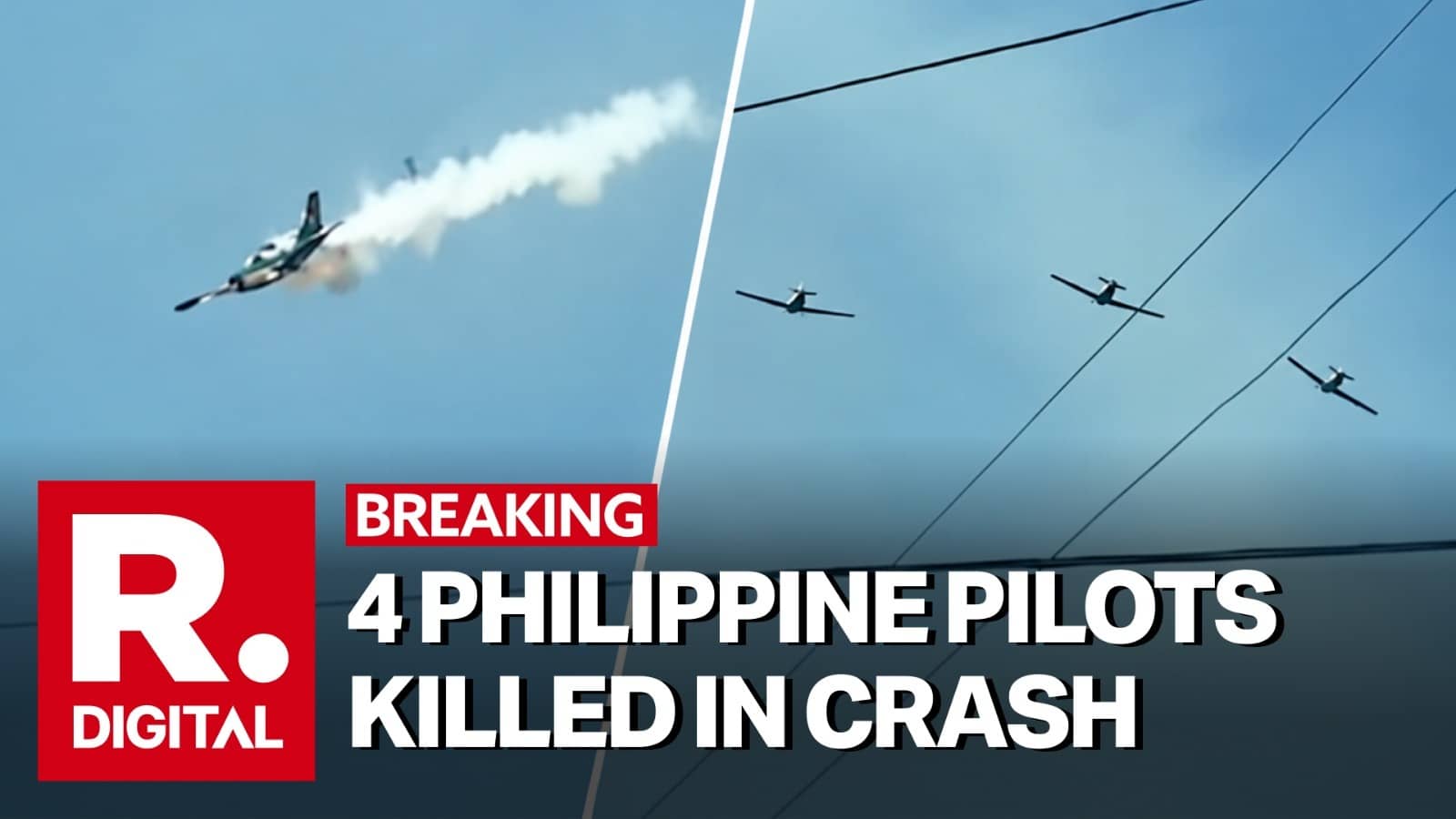
Four pilots have died after two Philippine Air Force SF-260 aircraft collided mid-air during a training exercise near Fernando Air Base in Lipa City, south of Manila. The Air Force has grounded its remaining SF-260 fleet pending an investigation into the fatal crash. #Philippines #PhilippineAirForce #PlaneCrash
In response to the tragic incident, the Philippine Air Force has temporarily grounded the entire SF-260 fleet. The Air Force has stated that the decision is based on the safety of the pilots and the need to conduct a thorough investigation. The grounding of the planes has caused significant disruptions to the training schedules and operations of the PAF. Pilots and ground crews are now left to wait and see when they can resume their duties, with many expressing concerns about the impact on their readiness and the overall effectiveness of the PAF.
The crash at Fernando Air Base is not an isolated incident. In recent months, the PAF has faced a series of accidents, including a similar crash in Benguet province in May, which resulted in the deaths of three pilots. These incidents have raised questions about the safety of the SF-260 fleet and the broader issues within the PAF. The Russian Air Force, which has been using the SF-260 for training, has also reported a crash involving a Su-30SM aircraft during regular training in Russia on October 21, 2026. This event has further highlighted the need for a comprehensive review of the training and safety procedures in the PAF.

#WATCH | Two Philippine air force planes collided mid-air, during a training flight, and crashed at an air base south of Manila, killing all four pilots onboard, Philippine officials said. The two SF-260 aircraft collided while flying at a low altitude on Friday afternoon and then crashed at Fernando Air Base in Lipa city in the coastal province of Batangas south of the capital. The air force did not provide details of what it called an accidental crash. #PlaneCrash #Philippine
In a statement, the Philippine Air Force has expressed its condolences to the families of the fallen pilots and emphasized its commitment to safety. The Air Force has stated that the investigation into the crash will be thorough and transparent, with the findings made public once they are available. The statement also highlighted the importance of learning from such incidents to prevent future tragedies. The PAF has called on the public to remain patient during this critical period and to trust the process as the Air Force works to ensure the safety and readiness of its pilots.
As the nation and the PAF come to terms with the loss, there is a sense of reflection and determination. The tragedy at Fernando Air Base has brought the issue of aviation safety to the forefront, prompting a broader discussion about the training and operational procedures within the PAF. The temporary grounding of the SF-260 fleet is a necessary step towards ensuring the safety of the pilots and the overall effectiveness of the Air Force. The families of the fallen pilots will continue to grieve, but the nation stands united in its support, hoping for a brighter and safer future for the Philippine Air Force.
- Date of the Crash: October 23, 2026 - Number of Pilots Killed: 4 - Type of Aircraft Involved: SF-260 - Location: Fernando Air Base, Manila, Philippines - Investigation Status: Ongoing - PAF Response: Temporary grounding of the SF-260 fleet