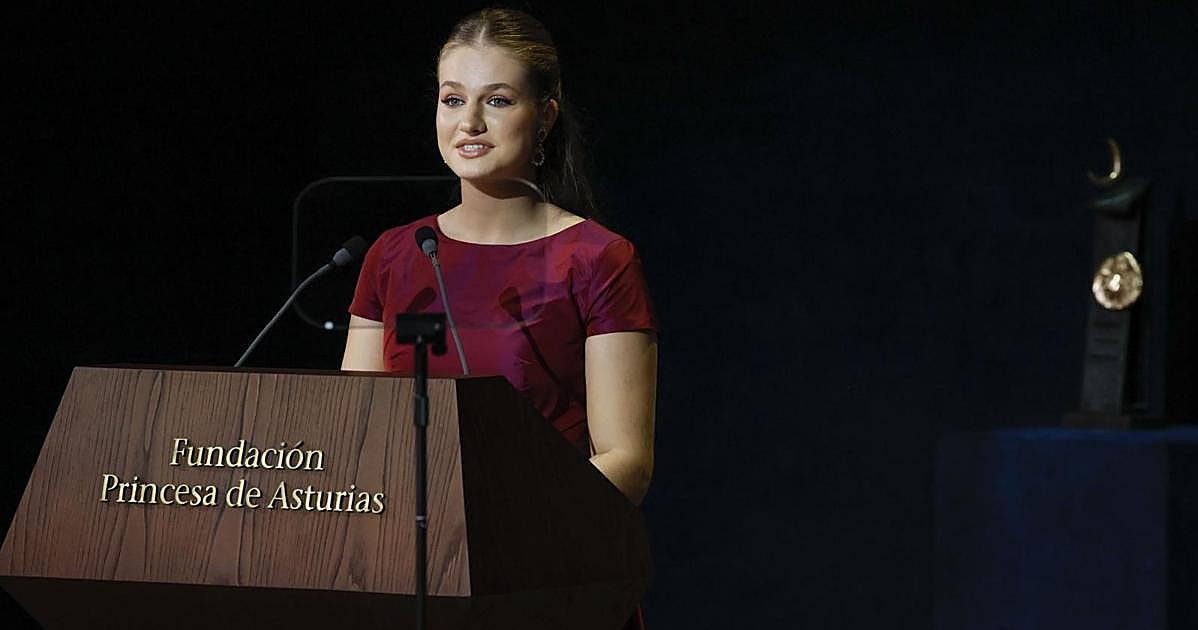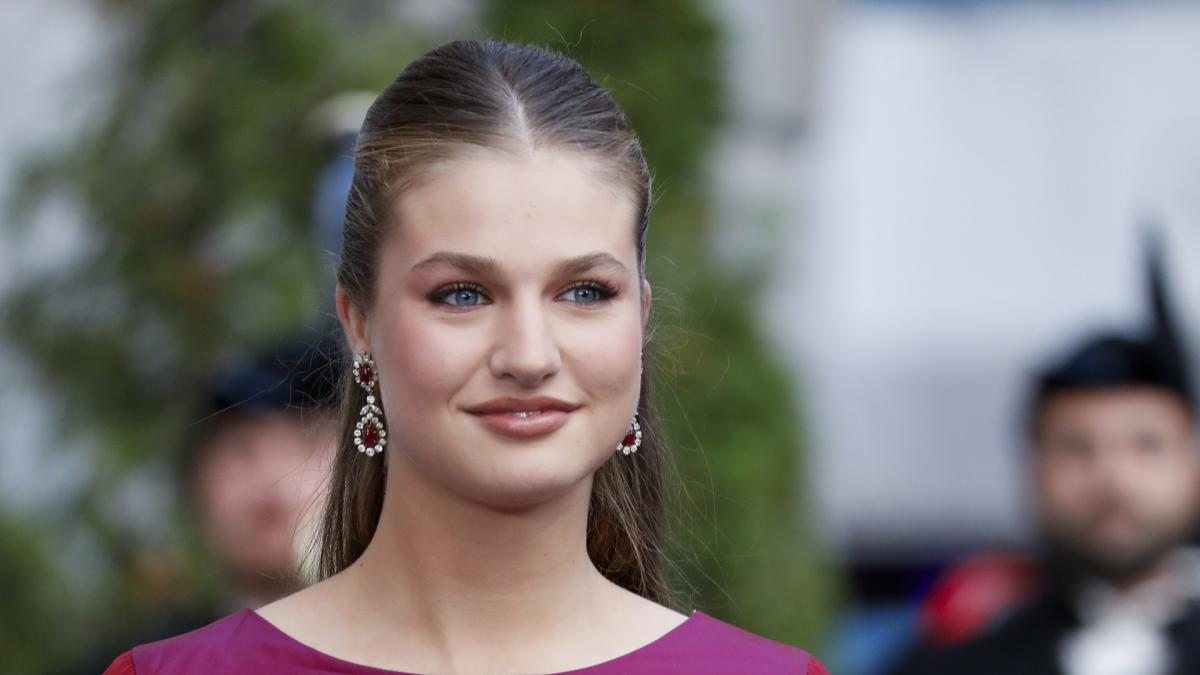
On a day in late October 2026, the atmosphere at the Campoamor Theatre in Oviedo was thick with tension. Outside the hallowed walls of the Princesa de Asturias Awards ceremony, the mood was not one of quiet reverence, but of active protest. Fifty campaign stores had been installed on the streets surrounding the theater, a tangible marker of the housing crisis that had gripped the nation. These temporary storefronts served as a stark backdrop to the proceedings inside, where Princess Leonor, the Hereditary Heir to the Spanish throne, was about to address the country’s future.
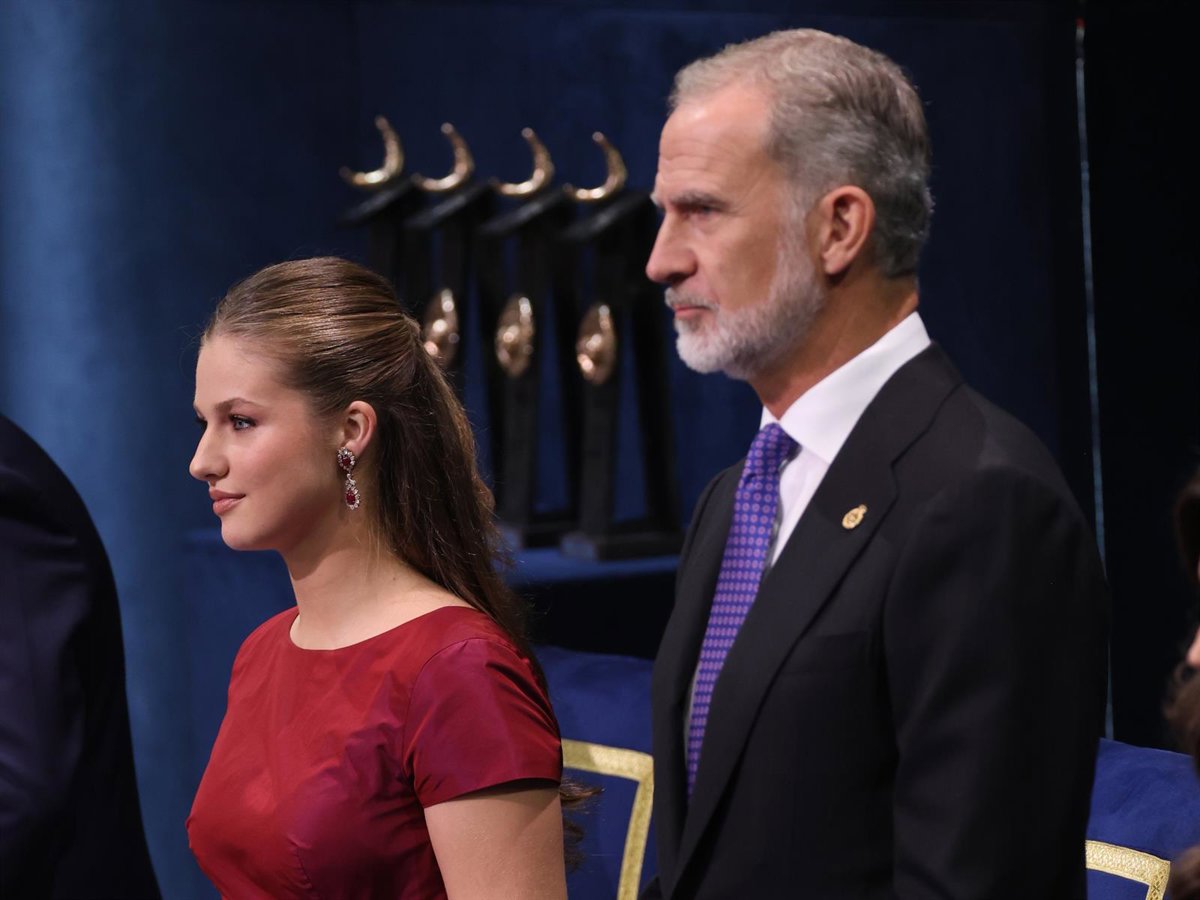
For years, Princess Leonor has walked the red carpet of the Princesa de Asturias Awards, a prestigious event honoring contributions to culture and society. But this was no longer just a passive appearance. Since the previous year, the heir to the throne had initiated the laudatio, the formal part of the ceremony where the awardees are honored. For the 46th edition of the awards, this transition was complete. She was no longer just a participant; she was the voice guiding the ceremony, a role that demanded a new level of public maturity and responsibility.
When Princess Leonor took the stage, she did not offer a standard, scripted greeting. Instead, she delivered a fifteen-minute speech that signaled a significant evolution in her public persona. It was a performance that balanced royal dignity with the raw, unfiltered anxiety of youth. She spoke of her generation’s feelings of “vertigo” and “illusion,” a paradox that captured the duality of her position: the thrill of opportunity mixed with the dizzying scale of the challenges ahead. Her words were not merely ceremonial; they were a direct engagement with the social landscape that was erupting just beyond the theater walls.
” In an era of information overload and institutional skepticism, trust emerged as her central argument.
The core of her address was a diagnosis of the current social climate. Princess Leonor acknowledged that young people were no longer just feeling discontent; they were feeling a profound “social disenchantment.” She listed the forces weighing on her peers: the erosion of trust, the persistence of inequalities, and the rise of populism. She spoke of “liquid realities” and the threat of “technological and hybrid wars,” terms that paint a picture of a world where stability is no longer a given, but a constant pursuit. By naming these specific anxieties, she moved from the abstract to the visceral, validating the feelings of a generation that often feels ignored by traditional political structures.
In the face of this complexity, Princess Leonor did not offer a policy platform or a political pledge. Instead, she offered a philosophical remedy: “We need to trust.” In an era of information overload and institutional skepticism, trust emerged as her central argument. She urged the audience to maintain enthusiasm even in times of deep social disillusionment. This was not naive optimism, but a deliberate choice to focus on humanism and the values that have defined European history. It was a call to look for connection and meaning despite the fragmentation of modern life.
The speech culminated in the laudatio for that year’s laureate, the historian Timothy Garton Ash. For Princess Leonor, the choice was symbolic. By highlighting the work of Garton Ash, she emphasized the importance of understanding European history to navigate its present. His scholarship, she noted, provides the tools to make sense of the “seemingly insurmountable complexity” that young people face. The historian became a bridge, connecting the past’s lessons to the future’s uncertainties, and demonstrating how knowledge can counteract the paralysis of doubt.
As the ceremony concluded, the contrast between the quiet dignity inside the Campoamor Theatre and the clamor outside remained sharp. Princess Leonor’s address marked a turning point in her public life. She had successfully transitioned from a symbolic figure to a substantive voice for her time. By framing her generation’s struggles in terms of hope and humanism, she aimed to provide a compass for those navigating the turbulent waters of contemporary Spain. The legacy of the 46th Princesa de Asturias Awards would not just be the list of winners, but the message that even the heir to the throne is grappling with the same questions of trust and belonging that define the modern experience.