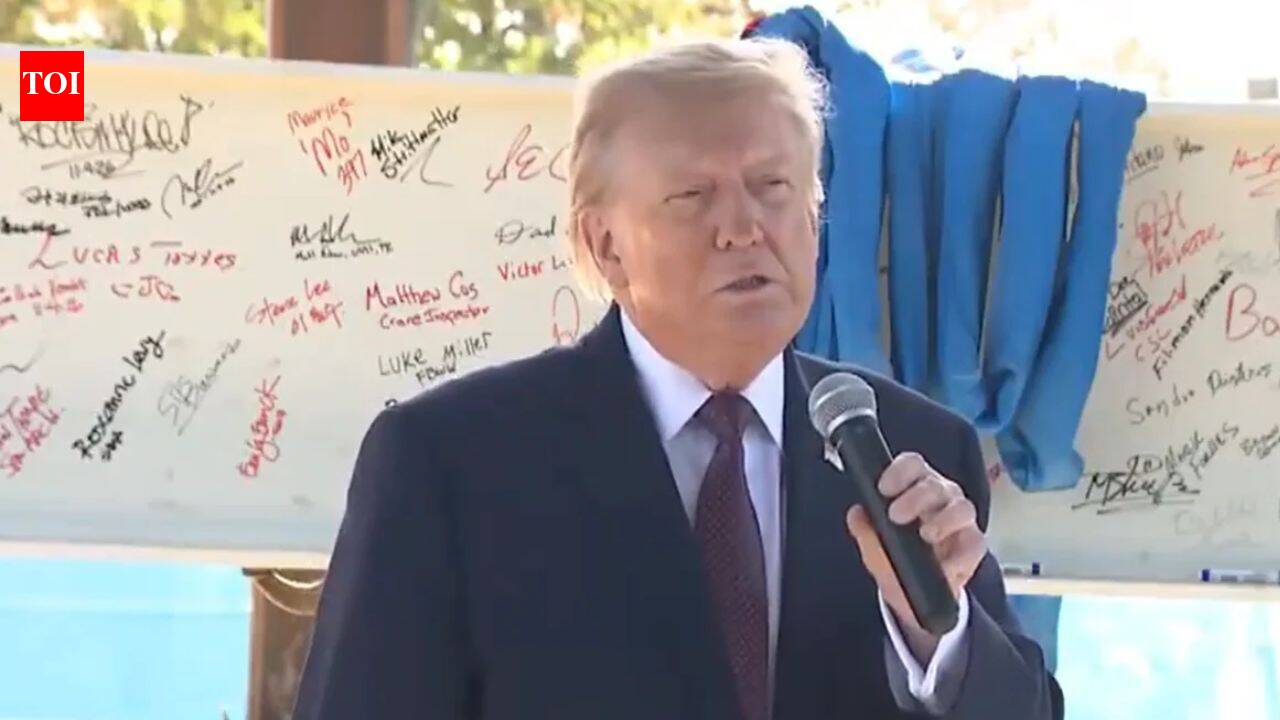
Elections are supposed to be moments of reckoning. For any administration, a sharp rebuke at the ballot box typically ushers in a period of intense soul-searching, closed-door strategy sessions, and public reassessment. But politics does not always follow the expected scripts. Following the Republican defeat in the midterms, President Donald Trump largely ignored the message from voters and instead chose a very different backdrop for his first public appearance post-midterm elections: a sprawling, unfinished construction site on the executive mansion's grounds.
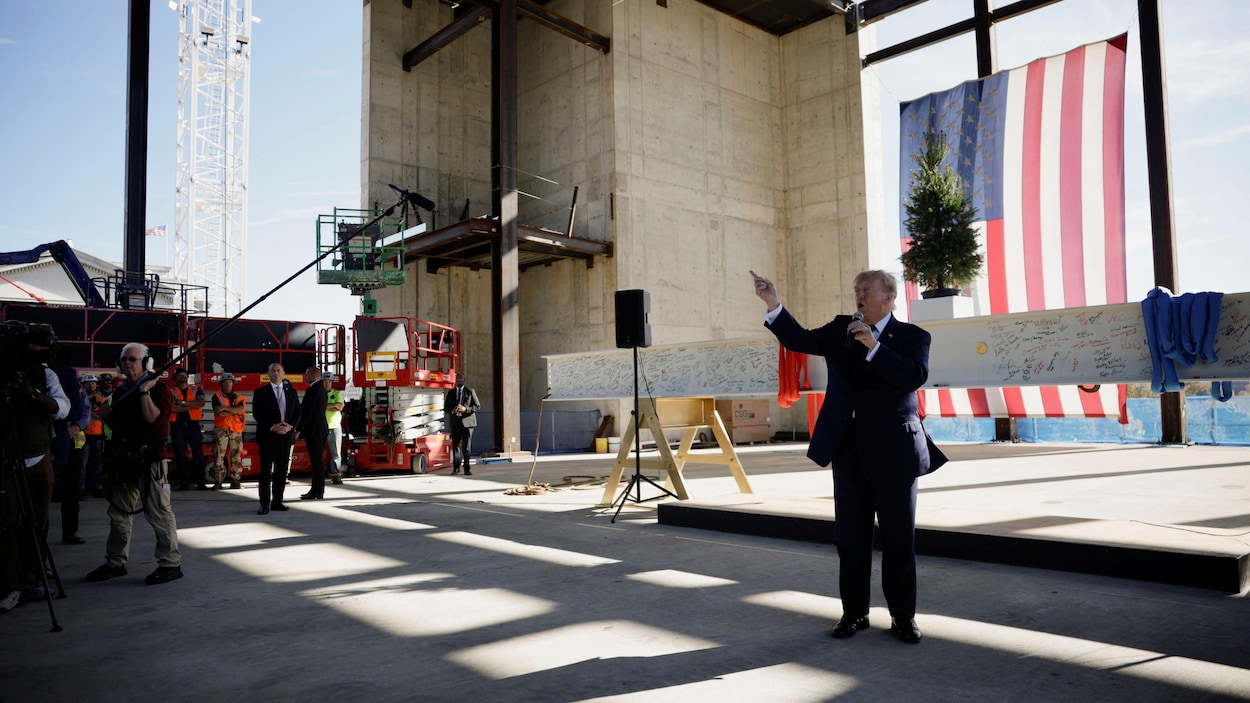
Rather than addressing the political map or analyzing the mechanics of a difficult electoral cycle, the president directed the national spotlight toward the future ballroom of the White House. It was a striking departure from the traditional post-defeat playbook. While political pundits and party strategists scrambled to parse what the midterm losses meant for the remainder of the term, the commander-in-chief was busy highlighting his architectural and construction projects.
For Donald Trump, physical construction has long served as both a passion and a refuge. Standing amidst the scaffolding and unfinished masonry, he detailed the building's features, including its security and decorative elements, treating the project as a masterclass in design and engineering. "This is a special structure. It's going to be not only one of the biggest, but it'll be the most beautiful ballroom I think anywhere in the world," he told those gathered.
The White House, in this view, transcends the transient political battles of any given Tuesday or November election cycle.
The tour of the worksite offered a glimpse into an aesthetic vision defined by scale and luxury. The president vividly outlined the interior aspirations for the space, inviting observers to look past the raw industrial framing. "Imagine the chandeliers everywhere, imagine the marble floor," he remarked, painting a picture of opulence designed to rival historic European halls. Yet, amidst the talk of aesthetics, the design also prioritized modern fortification.
Security in the modern presidency is a complex, multi-layered discipline, and the new ballroom project is no exception. As work progressed, the final steel beam was hoisted into the White House ballroom, marking a major structural milestone. The president emphasized that the engineering was built to withstand extraordinary modern demands, noting the resilience of the build with a characteristic flourish: "You can put as many helicopters as you want on the roof."
This blending of high security and ornate decoration forms the core of the ongoing renovations. The focus on defensive architecture alongside decorative grandeur reflects a unique approach to modernizing the executive estate, ensuring that the additions meet rigorous safety standards while maintaining a grandiose visual profile.
To critics questioning the timing of such an extensive project during a political downturn, the president offered a simple, philosophical defense rooted in the symbolic weight of the institution itself. The White House, in this view, transcends the transient political battles of any given Tuesday or November election cycle.

"When I get criticized, like, 'Why are you working on the White House?' I'm doing it because the White House is the ultimate symbol of America, and it's got to be pristine, it's got to be perfect. For me it's relaxing," he explained. Beyond the heavy burdens of executive governance and the sting of electoral defeat, the physical labor and design decisions of construction provide a distinct kind of solace.
Ambition on the executive grounds is apparently just the beginning. Looking beyond the immediate boundaries of the presidential residence, the administration also announced plans for an entirely new architectural monument in the nation's capital: an arch in Washington, D.C., inspired by the Arc de Triomphe. This broader vision for the city's landscape signals a desire to leave a permanent, monumental stamp on the federal district's physical geography.
These forward-looking construction plans sit in stark contrast to the immediate political fallout rippling through the Republican Party. While the president looked to steel, marble, and stone, the rest of Washington was left grappling with the immediate reality of the midterm results.
While the president found relaxation in blueprints and beam-hoisting, the broader Republican Party faced severe criticism following the midterm elections. Party leaders and strategists wrestled with how to interpret the voter backlash, with various factions offering divergent explanations for the setback.
Vice President J.D. Vance waded into the analytical fray, partially agreeing with blaming the Iran war as a primary cause of the Republican defeat. At the same time, Vance urged the party to learn from the defeat without directly criticizing Trump, maintaining a delicate balance between acknowledging voter dissatisfaction and supporting the administration's overarching trajectory. Defending past choices, Vance noted, "I would do the same thing again, because in the long term, it's the only solution."
Amidst the structural hard hats and the political post-mortems, the president also looked backward to the emotional core of his political identity: the campaign rally. Recalling the energy of the crowds that had supported him across the country, he emphasized the personal connection he felt with the American people and the enduring importance of the campaign trail in shaping his political narrative.