On 11 October 2026, the Cockroach Janata Party (CJP) issued a summons for a protest march in Delhi. The party’s demand was straightforward: the Chief Election Commissioner, Gyanesh Kumar, should step down. The march also opposed the Special Intensive Revision of voter lists, a process the party claimed was flawed. The call resonated with a range of activists who saw the election body’s work as needing accountability.
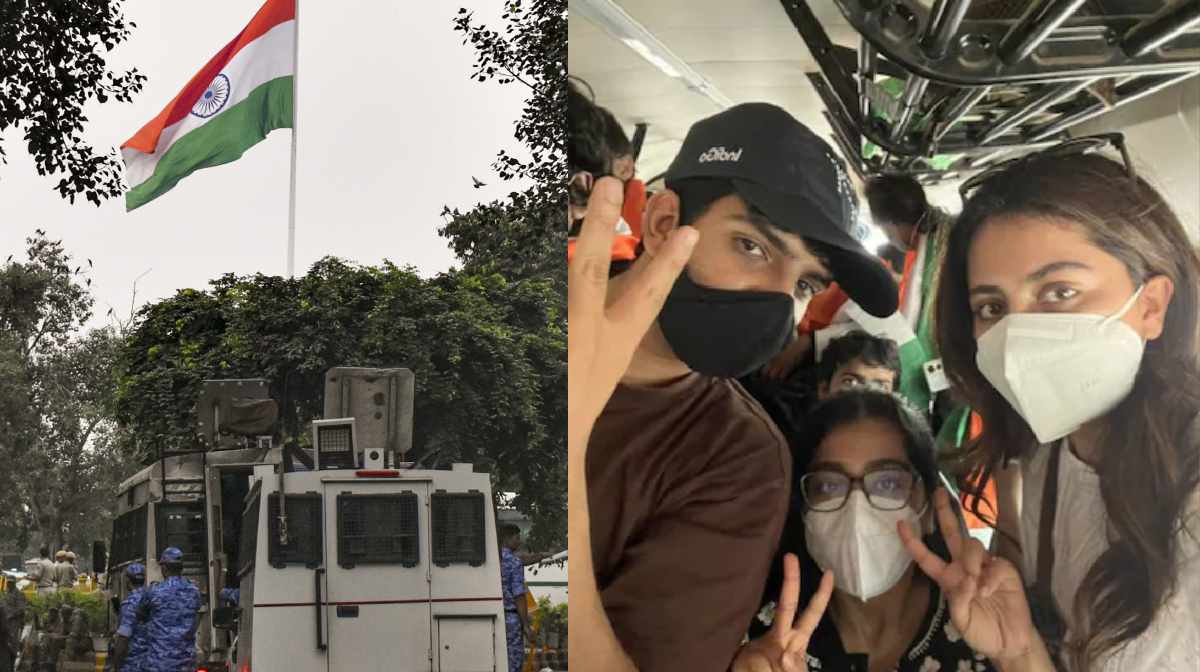
Before any crowd could assemble, authorities invoked Section 163 of the criminal procedure code, a provision that bans public gatherings without prior permission. The invocation meant that any attempt to gather at the planned site, Jantar Mantar, would be deemed unlawful. Police and paramilitary units were notified to enforce the prohibition, setting the stage for a confrontation between the organizers’ constitutional right to protest and the state’s power to maintain order.

4pm. Along with our 4 MPs, we have started our dharna at Dwarka North PS where we have been brought. We were kidnapped and driven around in a prison van for two hours. I am not returning to Kolkata tonight and in protest against all that is happening today against the youth and all, I will join the I.N.D.I.A march on Monday.
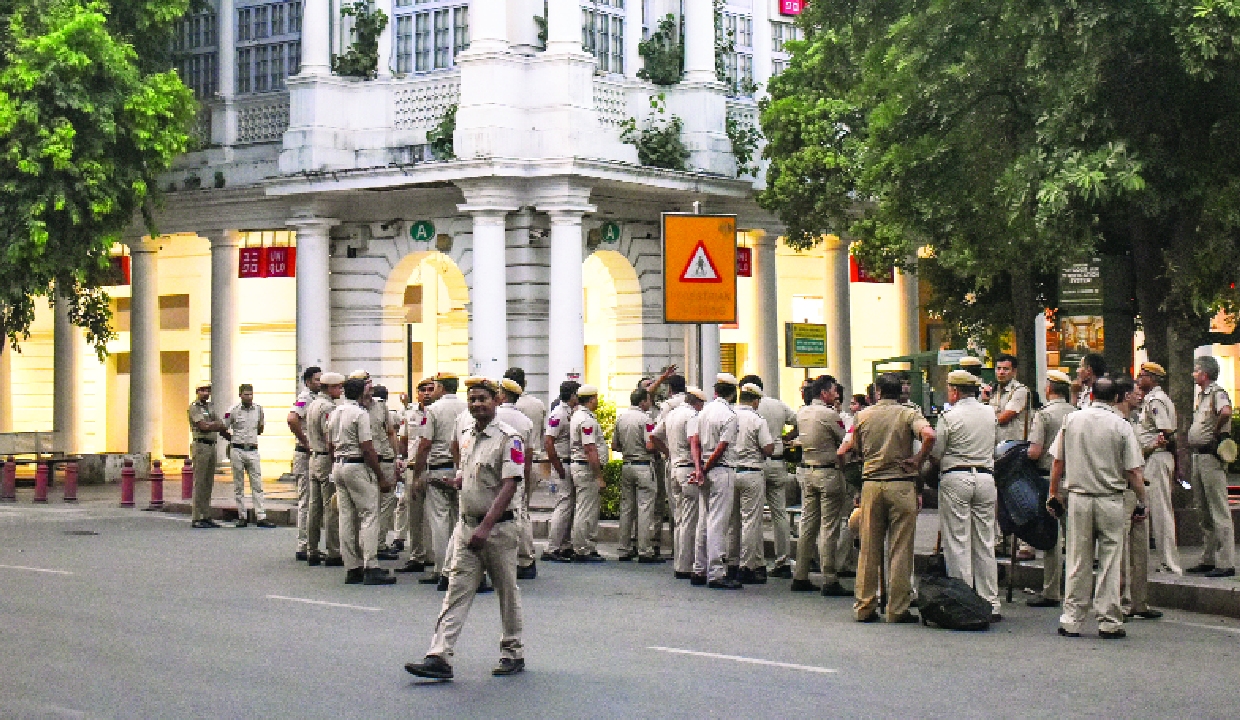
In response to the planned march, Delhi Police and central armed police forces deployed more than 40,000 personnel across the city. The scale of the security presence signalled that the administration intended to treat the gathering as a serious breach of public order.
As they approached the site, police moved in to prevent the assembly from forming.
Despite the legal ban and the visible security cordon, over 2,000 protesters converged on Jantar Mantar. As they approached the site, police moved in to prevent the assembly from forming. The attempt to gather was met with immediate intervention, and the protesters were prevented from holding a sustained demonstration.
The police action did not stop at the ordinary demonstrators. Former Chief Ministers Mamata Banerjee of West Bengal, Arvind Kejriwal of Delhi, Pinarayi Vijayan of Kerala, and Manik Sarkar of Tripura were all taken into custody during the crackdown. In addition, the founders of the Cockroach Janata Party and several other opposition leaders were detained. The detentions underscored the authorities’ resolve to treat the protest as a coordinated challenge to the election commission’s authority.
Among those swept up in the operation was Yashaswini Raje Singh, the daughter of former BJP MLA Vikram Singh. She had joined the march in support of the CJP’s demands. She was arrested by Delhi Police during the security crackdown. Her arrest highlighted how the dragnet extended beyond the core organizers to include sympathisers and relatives of political figures.
Officials later stated that approximately 2,000 individuals were detained across Delhi during the operation, a figure that matches the number of protesters who had attempted to gather near Jantar Mantar. The events of 11 October 2026 left a clear imprint on the city’s political landscape, raising questions about the balance between protest rights and public order measures.