
When aerial violence strikes a major city, the tragedy often unfolds in stages—first the concussive shock of impact, then the smoke rising above shattered rooftops, and finally the quiet, desperate struggle inside hospital wards. In Kyiv, that struggle ended in grief for the family of a 66-year-old woman who succumbed to her injuries after Russian forces launched an attack on the capital on October 10.
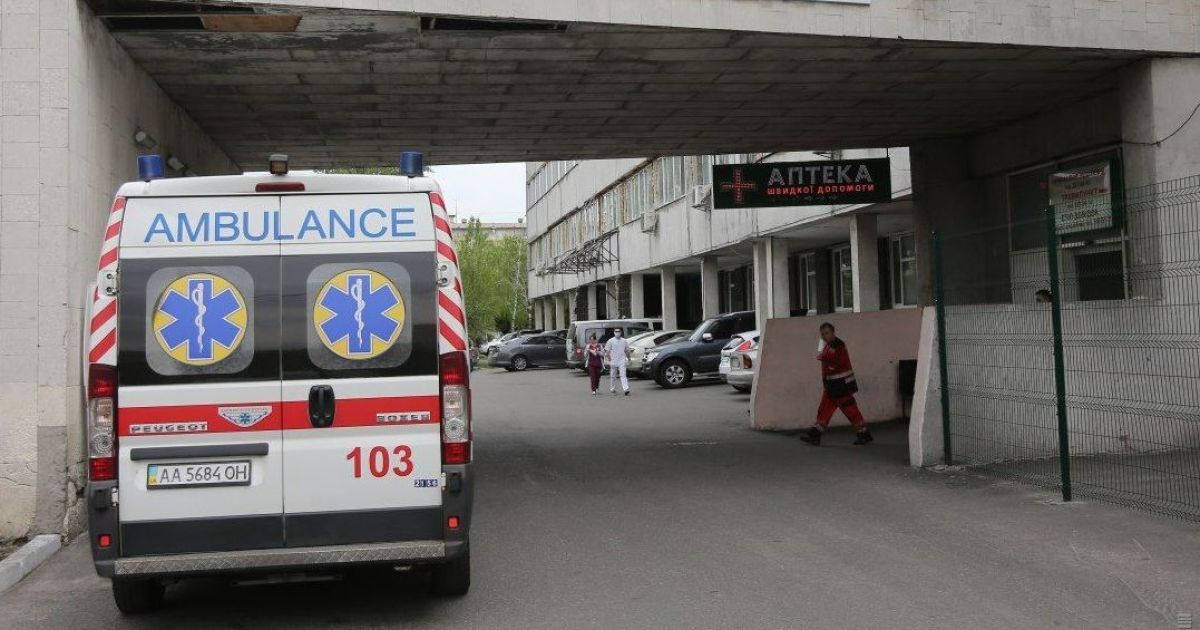
Her death in a hospital bed served as a stark reminder of the ongoing Russian aggression against Ukraine and its devastating impact on civilians. She was among those pulled from the chaos following the barrage, fighting for her life as medical staff attempted to save the severely wounded. Her passing turned an already heavy tally of destruction into a definitive loss of human life, drawing official condolences and underscoring the relentless danger faced by those living under constant threat.
The October 10 assault was not isolated to a single target. Instead, the Russian military targeted various areas across Kyiv, raining down strikes that battered both municipal infrastructure and the residential fabric of the city. Among the districts caught in the crosshairs were Solomiansky and Obolonsky, where the bombardment abruptly upended daily life.
A teenager present in the area was injured by the falling drone debris and required immediate hospitalization.
In the Obolon district, the violence was especially direct, resulting in five casualties as Russian missiles struck the area. Across the wider urban landscape, the assault inflicted physical damage on residential buildings, leaving homes broken and neighborhoods vulnerable. Beyond the structural destruction, the attack disrupted essential services, causing power outages across Kyiv that left residents navigating darkened streets and severed electrical grids.
The reach of the October 10 strike extended into everyday public spaces, where even young people found themselves directly in the line of fire. In the Svayastynsky district, the assault arrived from above when debris from a Russian drone fell onto a local school stadium.
The falling wreckage transformed a facility meant for youth and recreation into a site of sudden trauma. A teenager present in the area was injured by the falling drone debris and required immediate hospitalization. The incident highlighted the pervasive hazard of aerial bombardment, where falling shrapnel and intercepted drones pose lethal risks to civilians far beyond the primary target zones.
Across the capital, the cumulative toll of the October 10 attack mounted quickly. Official reports confirmed that Russian forces injured eight people across the city during the widespread strike. For emergency services and medical teams, the immediate aftermath required rapid, life-saving intervention as victims arrived at hospitals with severe trauma.

Among the eight injured residents, three were admitted in critical condition, their survival hanging in the balance. The 66-year-old woman was one of those critically wounded victims fighting for life in intensive care. Despite the efforts of medical staff, her injuries proved fatal, bringing the city's tragedy into sharp focus.
In the aftermath of her death, civic leaders publicly acknowledged the loss suffered by the community. The Kyiv City Administration offered a formal expression of grief, extending sympathy to those left behind by the strike.
"On behalf of the city administration, we express our sincere condolences to the family of the 66-year-old woman who passed away in the hospital after being injured during the attack on October 10," the administration stated. The official message reflected a capital continuing to mourn its civilian dead while enduring the ongoing reality of missile strikes, power disruptions, and wartime devastation.