
The financial landscape shifted dramatically this week, when the Supreme Court of India issued a ruling that fundamentally altered the accounting reality for one of India's largest banking institutions. In a decisive move, the court set aside Yes Bank's Rs 8,415 crore AT1 bond write-down, effectively undoing a significant loss previously recorded by the bank. This decision was not merely procedural; it represented a critical validation of contractual obligations that had been at the heart of the institution's recent turmoil. By upholding a previous Bombay High Court order, the apex court signaled that the bank could not simply choose to erase debt obligations in favor of its own liquidity management strategies.
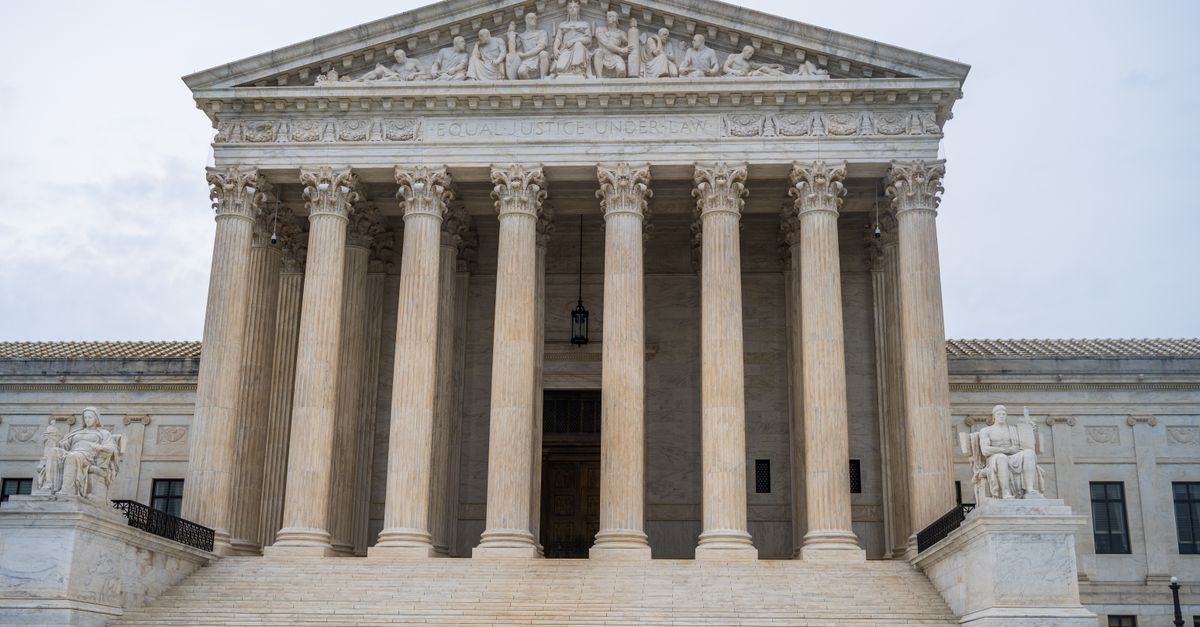
To understand the gravity of this legal victory, one must look back to the origins of the crisis. The case dates back to March 2020, a period when Yes Bank faced a severe financial crisis that threatened its very existence. During those early days, the bank required a rescue through a reconstruction scheme to stabilize its operations and prevent a broader collapse in the market. That initial intervention set the stage for complex legal battles regarding how much of the bank's capital should be written off during the recovery process. The Supreme Court's examination of these events revealed that the conditions under which the write-off occurred were legally suspect.
Central to this dispute is the nature of the debt instrument involved: an AT-1 bond. These are hybrid capital instruments for banks. When the Supreme Court examined the legality of the write-off, it focused on whether the terms agreed upon with investors were honored. The court ruled that annual coupon payments must be made as per the Information Memorandum. This finding was crucial because it established that the bondholders retained their right to income streams regardless of the bank's internal decisions to reduce capital reserves. For the bank, acknowledging this meant accepting that the Rs 8,415 crore write-down could not stand without breaching specific financial agreements.
For the bank, acknowledging this meant accepting that the Rs 8,415 crore write-down could not stand without breaching specific financial agreements.
Before reaching the apex court, the legal battle had already moved through the lower judiciary. The Bombay High Court had previously ordered the quashing of the write-off, a decision that directly benefited the bondholders holding the affected securities. Yes Bank had appealed against this ruling, seeking to maintain the reduction in its capital base. However, the Supreme Court dismissed this appeal, confirming that the lower court's judgment remained valid. This braided timeline shows how the legal system worked to protect creditors, ensuring that the bank could not unilaterally decide to extinguish debts owed to external parties without meeting strict legal criteria.
The immediate consequence of the verdict was a sharp correction in the market value of Yes Bank's stock. Shares fell significantly on the news, reflecting investor anxiety over the bank's balance sheet health despite the legal win. While the ruling protected the rights of bondholders, it did little to immediately resolve the underlying financial stress that led to the need for such a massive write-down in the first place. The drop in share price highlighted the tension between regulatory compliance and shareholder value, leaving investors waiting to see if the reconstruction scheme introduced in March 2020 would provide sufficient stability moving forward.
With its latest verdict, the Supreme Court has firmly established that the ₹8,415 crore AT-1 bond write-off was invalid. The court maintained neutrality in its reasoning, focusing strictly on the legality of the write-down rather than the broader economic context of the rescue. With the write-down quashed, the path forward for Yes Bank involves navigating the implications of restoring the full capital value while managing the expectations of both regulators and shareholders. The decision reinforces the principle that once a bond contract is signed, the annual coupon payments must be honored as per the Information Memorandum, setting a precedent for future banking disputes involving similar instruments.