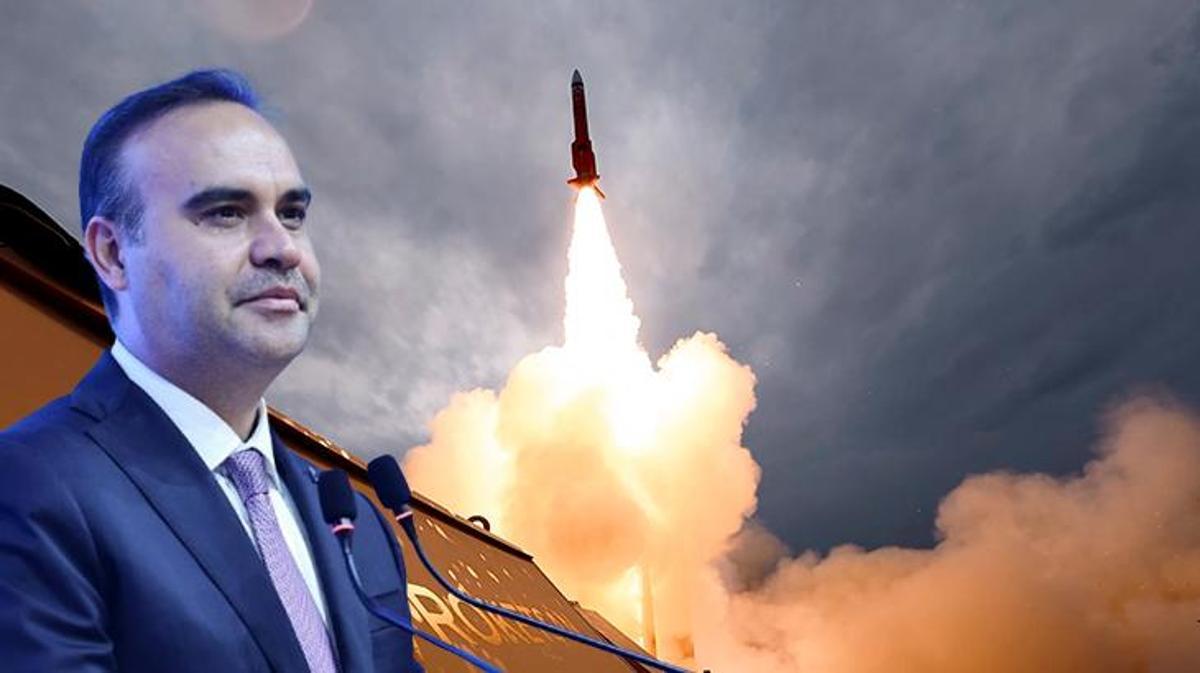
The skies over Turkey recently played host to a significant demonstration of the nation's advancing air defense capabilities. The Siper-2 missile system, a product of collaborative efforts between leading Turkish defense firms, successfully executed a test flight on October 25, 2026, that underscored its sophisticated operational flexibility. During this crucial test, the missile not only launched but also demonstrated the remarkable ability to alter its designated target while airborne, ultimately engaging and destroying a secondary threat.
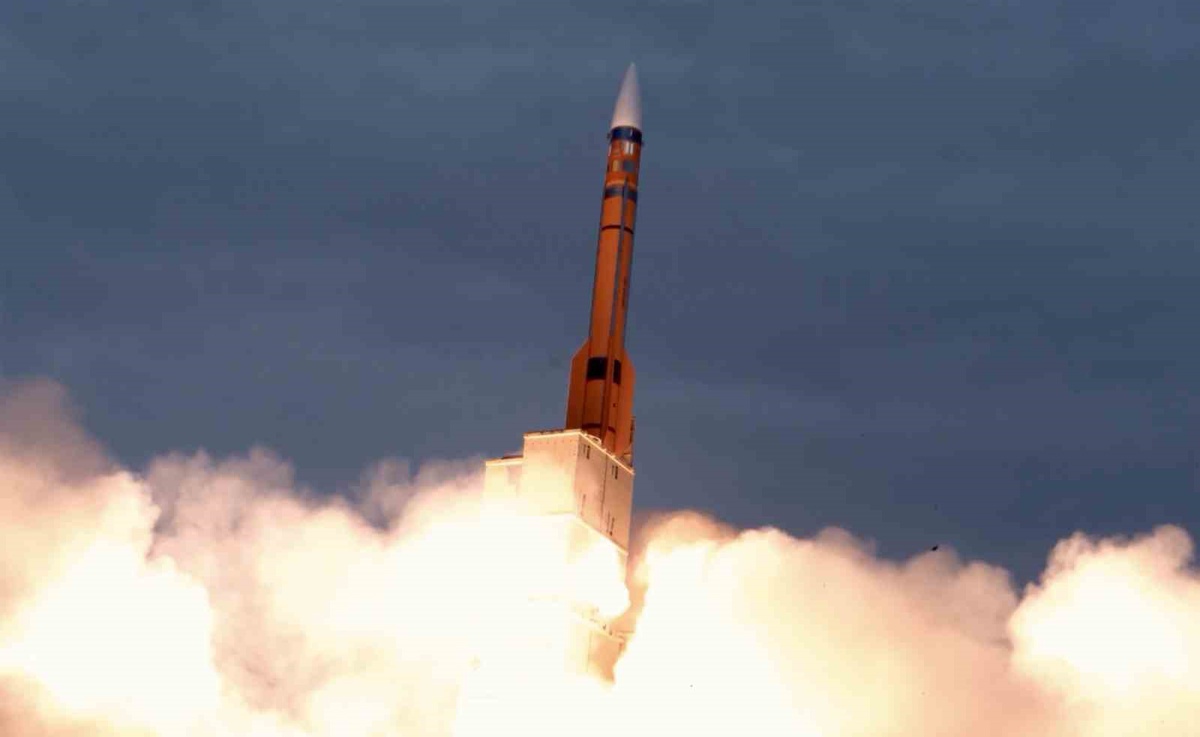
This pivotal moment was shared with the public by Mehmet Fatih Kacır, Turkey's Minister of Industry and Technology. Kacır released videos capturing the Siper-2's mid-flight target change, celebrating the achievement as a testament to the nation's progress in developing long-range air defense systems. The missile's success, he noted, further solidifies the collaborative synergy between TÜBİTAK SAGE, ASELSAN, and ROKETSAN – key players in Turkey's defense industrial complex.
The Siper system, developed under a project spearheaded by ASELSAN, ROKETSAN, and TÜBİTAK SAGE, is designed to bolster Turkey's air defense architecture. Its ability to acquire and engage aerial targets is a critical component of what is referred to as the Gök Vatan defense system. The recent test specifically highlighted the system's enhanced air target acquisition capability, a feature that significantly boosts its operational adaptability, particularly in dynamic combat scenarios where threats can emerge and shift with little warning.
ASELSAN, a major defense contractor, is known for its electronic warfare, radar, and weapon systems integration.
Minister Kacır articulated the significance of this development, stating, "SİPER-2 is the Long-Range Shield of Çelik Kubbe. While our layered air defense architecture is being strengthened with domestic and national systems, the successful firing test of SİPER-2 once again demonstrated the development of our technological competencies in the field of long-range air defense and the strong cooperation between TÜBİTAK SAGE, ASELSAN, and ROKETSAN."
This collaborative spirit is central to Turkey's strategy of building indigenous defense capabilities. TÜBİTAK SAGE, the Scientific and Technological Research Council of Turkey, typically focuses on research and development, often providing the foundational technological expertise. ASELSAN, a major defense contractor, is known for its electronic warfare, radar, and weapon systems integration. ROKETSAN, on the other hand, specializes in missile and rocket systems. The successful integration of their expertise in the Siper-2 project signifies a mature phase in Turkey's defense innovation.

🇹🇷 @SageTubitak @roketsan @aselsan SİPER-2 long-range air defence misile was tested against a sea-skimming target, as well as for its target swapping capability mid-flight. 📰https://t.co/pR2jsolc2Q https://t.co/F6BTNIvuUr
Haluk Görgün, commenting on the system's role, emphasized its strategic importance: "We are strengthening the long-range layer of Çelik Kubbe in the defense of Gök Vatan, and increasing our reaction capacity against variable threats."
The term "Çelik Kubbe," translating to "Steel Dome," refers to Turkey's broader air defense umbrella. The Siper-2, as a long-range component, is intended to extend the reach and effectiveness of this protective shield. The ability to switch targets mid-flight is a sophisticated maneuver that allows the missile to adapt to evolving threats, such as multiple incoming targets or a change in the priority of a threat after the initial launch.
This advancement is particularly relevant in the context of modern aerial warfare, where adversaries may employ tactics designed to overwhelm or deceive traditional air defense systems. A missile capable of re-targeting mid-flight offers a significant advantage, ensuring that resources are efficiently allocated to neutralize the most immediate or critical threats.
The successful test of the Siper-2 missile system on October 25, 2026, marks another step forward in Turkey's pursuit of self-reliance in critical defense technologies. It not only showcases the technical prowess of its defense industry but also enhances its strategic posture by bolstering its layered air defense capabilities against a spectrum of aerial challenges.