
The IDF framed the disclosure as evidence of a calculated willingness to sacrifice civilian lives for military advantage.

Months later, on April 1, 2024, the IDF released the underlying document it had referenced. The memo, dated the same day, laid out a step‑by‑step approach for using improvised explosive devices (IEDs) and stun grenades to create chaos in Gaza’s displacement camps.

Hamas planned to detonate bombs at Gaza refugee camps to cover terrorists' escape, IDF reveals https://t.co/iVRtbNq1wU
The core of the document, as described by the IDF, was a series of proposals to plant explosive devices near Palestinian displacement camps. The IDF emphasized that the plan explicitly exploited the civilian population, using the presence of non‑combatants as a shield against Israeli operations.
The memo’s language, as the IDF presented it, left little doubt that civilian safety was secondary to operational goals.
Beyond static explosives, the Hamas memo reportedly outlined the use of stun grenades—non‑lethal devices that emit a blinding flash and deafening bang—to further destabilize camp environments. The IDF interpreted this as a deliberate effort to heighten confusion, making it harder for Israeli forces to distinguish between combatants and civilians. The document’s authors apparently believed that the resulting chaos would facilitate the escape of Hamas operatives, including senior leadership.

Hamas planned to detonate bombs at Gaza refugee camps to cover terrorists' escape, IDF reveals https://t.co/OboWDzmJsi
The IDF’s analysis highlighted a stark moral calculus: Hamas was prepared to endanger displaced Palestinian civilians to protect its own leadership and fighters. The memo’s language, as the IDF presented it, left little doubt that civilian safety was secondary to operational goals.
The IDF’s disclosures did not end in 2024. On October 19, 2026, the military reiterated its earlier claims, again presenting the April 2024 document as proof of Hamas’s intent to weaponize refugee camps. While the core content remained unchanged, the repeated release underscored the IDF’s continued emphasis on the alleged strategy as a justification for its own operational decisions in Gaza.
For observers of the Israel‑Gaza conflict, the IDF’s presentation of the Hamas memo serves multiple purposes. First, it frames Hamas as a group willing to weaponize civilian populations, a charge that carries significant weight under international humanitarian law. Second, it offers a narrative that can be used to explain Israeli military actions that affect densely populated areas, positioning them as defensive responses to a hostile strategy that deliberately endangers civilians. Finally, the repeated releases across three separate years suggest an effort by the IDF to keep the allegation in the public eye, reinforcing a particular view of the conflict’s moral landscape.
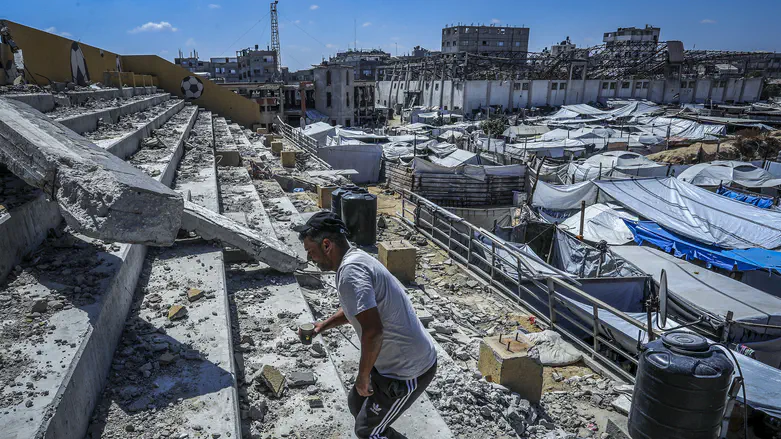
If the document’s contents are accurate, they illustrate a broader tactical trend: the blurring of combatant and civilian spaces in asymmetric warfare. Hamas’s alleged plan to use IEDs, stun grenades, and the very geography of displacement camps as cover reflects a willingness to embed military objectives within civilian infrastructure. This approach complicates the application of conventional rules of engagement and raises profound questions about the protection of civilians in protracted conflicts.
As of the latest IDF statement in October 2026, the organization continues to cite the April 2024 Hamas document as evidence of the militant group’s willingness to sacrifice civilian lives for strategic gain. The narrative remains a point of contention in diplomatic and media circles, with the IDF maintaining a neutral tone in its factual presentation while also adopting a critical stance toward Hamas’s tactics. The ongoing debate over the document’s authenticity and its implications for civilian protection continues to shape international discourse on the Gaza conflict.