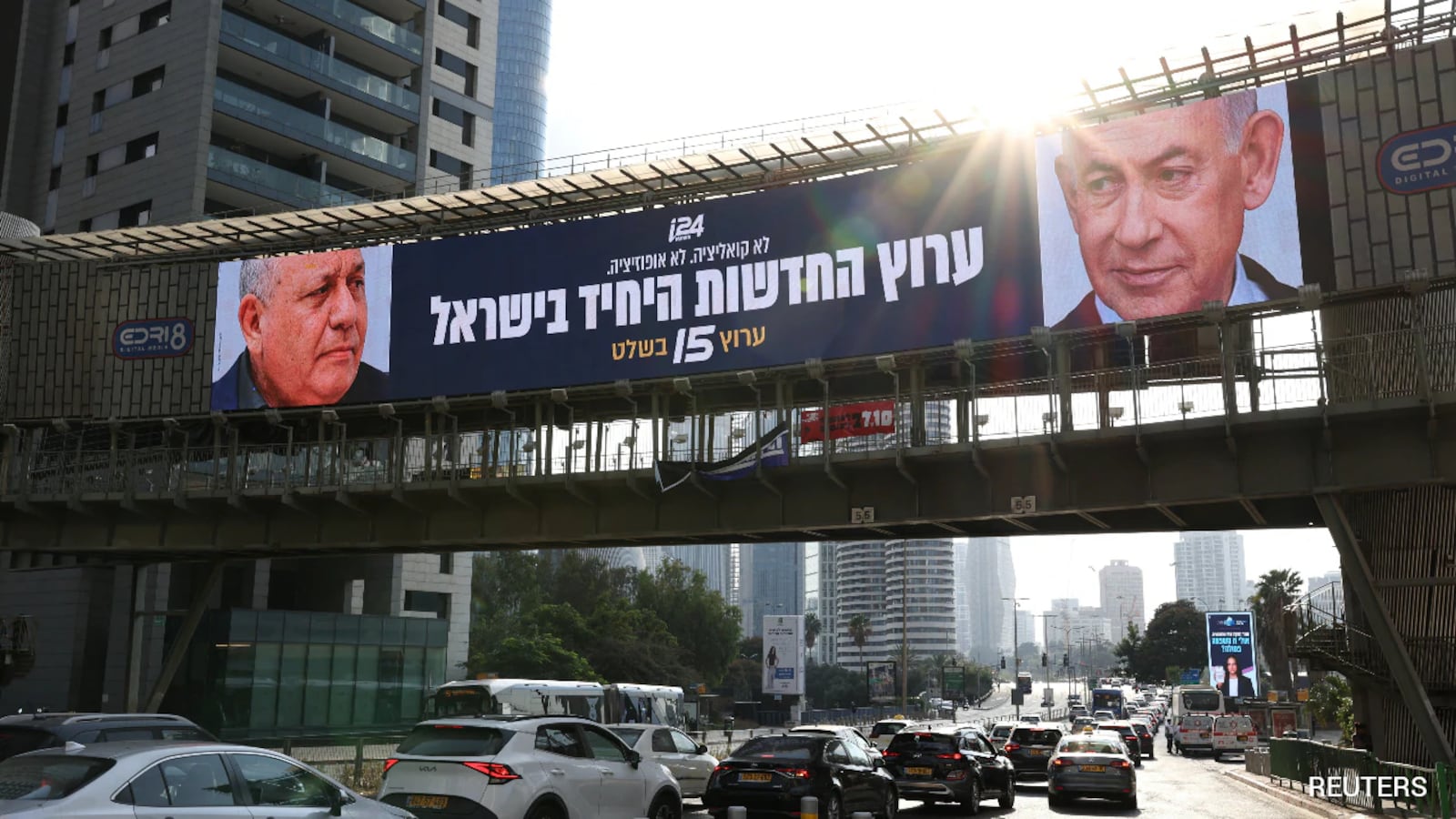
On October 7, 2023, a Hamas-led attack on Israel left the country reeling. The attack, which included rocket strikes and tunnels, was a stark reminder of the ongoing conflict in the region. Prime Minister Benjamin Netanyahu, who had been in office since 2009, found himself at the center of a political storm. His leadership and handling of the attack became the central issue in the upcoming election, which is set for October 26, 2026.
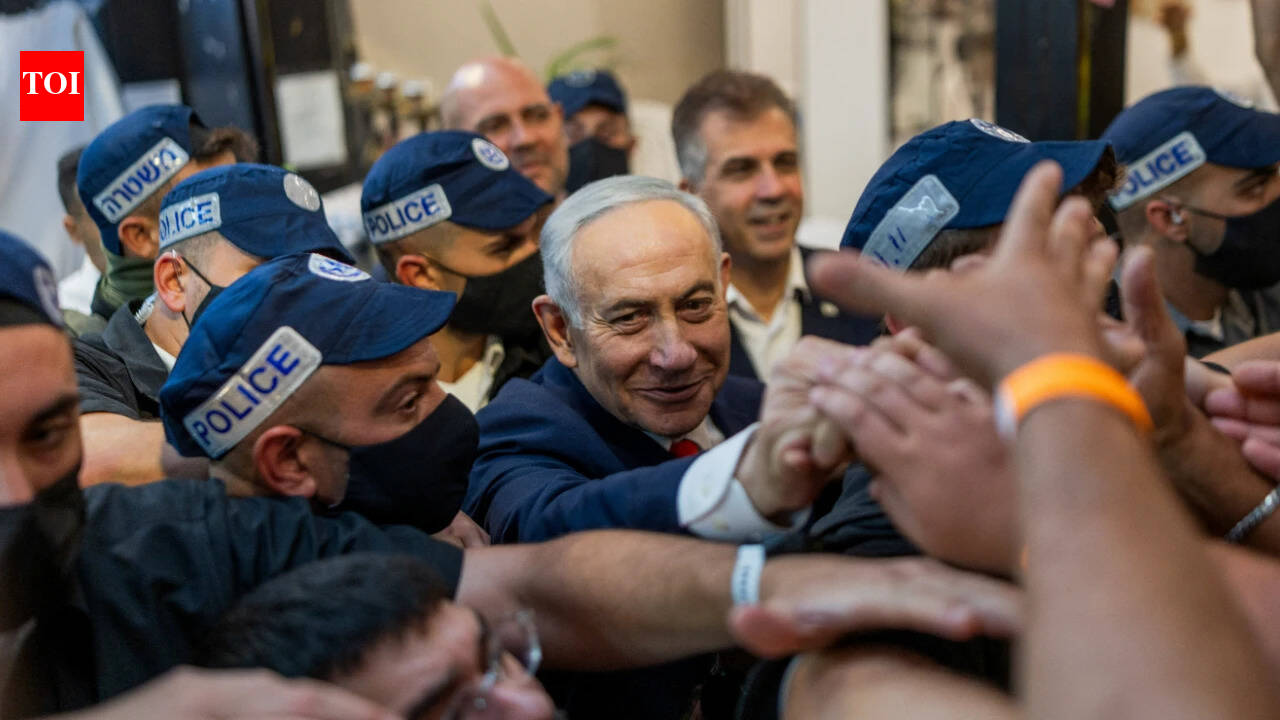
Netanyahu, 77, has dominated Israeli politics for much of the period since 2009. His tenure has been marked by a mix of achievements and controversies. The prime minister's handling of the attack and the conflicts that followed remain central to the campaign. His opponents, including former military chief Gadi Eisenkot and former prime minister Naftali Bennett, have seized on these issues, accusing him of failing to protect the country.

🚨 BREAKING: Netanyahu stated: "If it weren't for the Jews, there'd be no such thing as the United States of America. We are the ones who brought you into this world, and we are the ones who can take you out of it." What is the purpose of this statement? https://t.co/1BRjvtfuIF
The election is also about the future of the Together party, a coalition of opposition parties led by Bennett. The party, which includes the centrist Yamina party and the centrist-religious Shas party, is seen as a potential challenger to Netanyahu. Eisenkot, a former military chief, is also a formidable opponent, promising a fresh approach to security and governance.
In this case, the Knesset would have to negotiate for weeks or even months to form a government.
One of the most intriguing scenarios is the possibility of an alliance to remove Netanyahu from power. This would require a coalition of smaller parties and opposition groups to come together and form a government. Such an alliance would need to secure at least 61 seats in the 120-seat Knesset (Israel's Parliament) to form a majority government. The success of this scenario would depend on the willingness of these parties to put aside their differences and unite against Netanyahu.
Another possibility is that Netanyahu and his Likud party will win a majority on their own. If this happens, Netanyahu would be able to continue as prime minister, potentially for another term. However, the election results could also indicate that the public has grown weary of Netanyahu's leadership and is ready for change. In this scenario, Netanyahu might face pressure to step down or face a vote of no confidence in the Knesset.
A third scenario is a political deadlock, where no single party or coalition can secure a majority. In this case, the Knesset would have to negotiate for weeks or even months to form a government. This could lead to instability and a prolonged period of uncertainty, with the possibility of early elections if no agreement can be reached.
Finally, a minority government could be formed, where a smaller coalition of parties holds power with the support of one or more smaller parties. This scenario would require careful balancing and could be particularly fragile, as smaller parties might withdraw support if they disagree with government policies. A minority government would likely face significant challenges in passing legislation and implementing its agenda.

The election is also about several key issues that have divided Israeli society. Security failures, military service exemptions, and judicial reforms are all central to the campaign. The shortage of soldiers and reservists, which has been exacerbated by repeated wars, has fueled resentment among secular Israelis. Many believe that the government has failed to address this issue adequately. Netanyahu's proposed judicial overhaul, which triggered mass protests in 2023, remains another point of division.
After the election, the process of forming a government will be crucial. The Knesset will hold negotiations to determine which coalition can secure a majority. If no single party can form a majority, the process could take weeks or even months. The negotiations will be complex and will involve delicate political maneuvering to secure the necessary support.
The upcoming election in Israel is a critical moment for the country. The race to lead the nation involves a mix of old faces and new contenders, each with their own vision for the future. The four possible outcomes—removing Netanyahu, continuing his leadership, a political deadlock, or a minority government—will have far-reaching implications for Israel's future. As the election approaches, the stakes are high, and the outcome could shape the course of Israeli politics for years to come.