
In the high-stakes theater of international diplomacy, silence is often as loud as a declaration of war. For the administration of U.S. President Donald Trump, the current silence emanating from North Korea is becoming increasingly difficult to ignore. Despite a previous eagerness to restart direct talks with North Korean leader Kim Jong Un, the momentum required to bridge the gap between Washington and Pyongyang appears to be stalling.
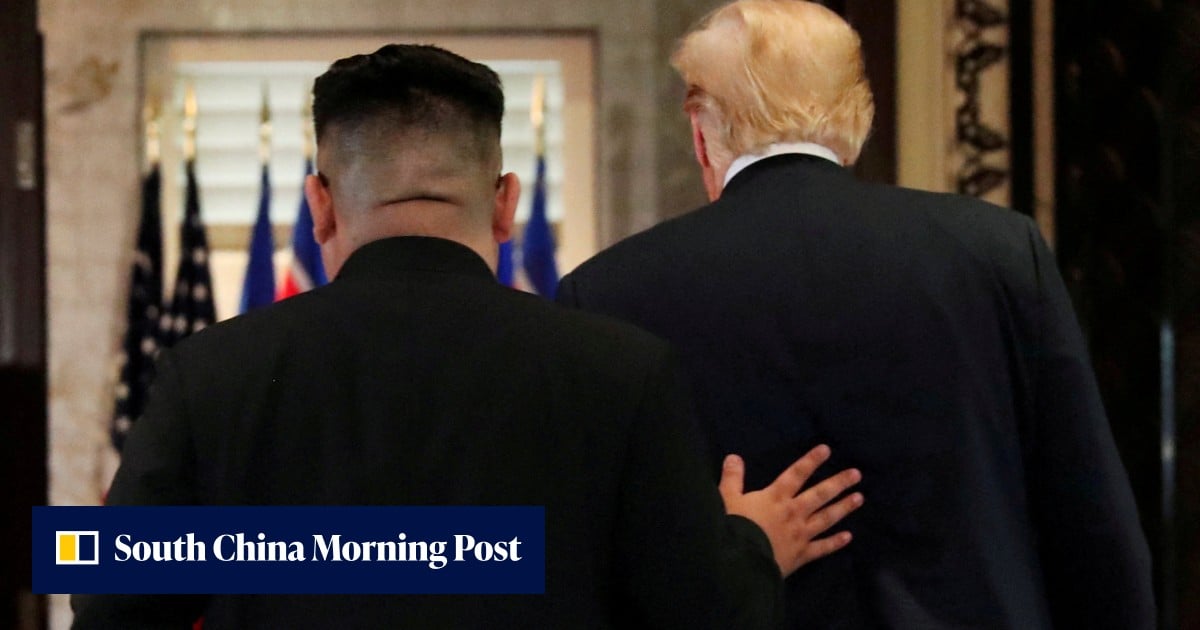
According to five informed sources, the prospects for a bilateral summit between the two leaders are diminishing. The primary obstacle is not a lack of interest from the American side, but a profound lack of response from the North. Washington has reached out, yet the expected diplomatic handshake remains absent, leaving officials to grapple with the reality that the window for a meeting this year is steadily closing.
The geopolitical clock is ticking, and the rhythm of the coming weeks is dictated by a series of regional gatherings. In November, the eyes of the world will turn to the APEC summit in Shenzhen, China, scheduled for November 18. These summits often serve as the backdrop for unexpected diplomatic breakthroughs, providing a neutral stage where leaders can meet on the sidelines of larger economic forums.
Diplomacy requires two willing participants, and currently, only one side is actively seeking the table.
However, the hope that a Trump-Kim encounter might occur amidst the APEC proceedings is fading. While such summits are traditionally fertile ground for diplomacy, the current lack of communication suggests that the opportunity to stage a dramatic meeting in China is unlikely. As the dates approach, the window of opportunity is not just narrowing; it is effectively shutting.
If a meeting were to occur, it would not be a simple photo opportunity. The stakes involve the core of North Korea's national identity: its nuclear program. For years, the international community has sought to contain and eventually dismantle Pyongyang's nuclear ambitions, a task that requires immense political capital and significant concessions.
North Korean state media has already begun to signal the terms of their engagement. Pyongyang has indicated that it will not enter negotiations without setting tough conditions. Central to these demands is the prospect of sanctions relief—the lifting of international economic penalties designed to pressure the regime. For the U.S. administration, balancing the desire for a diplomatic breakthrough against the necessity of maintaining pressure on a nuclear-armed state is a delicate, and currently stalled, equation.
There is a growing sense among U.S. and South Korean officials that the appetite for diplomacy on the North Korean side is at an all-time low. While President Trump has previously expressed a desire to engage and restart the dialogue, North Korea has shown limited interest in diplomatic efforts aimed at containing its nuclear program.
This lack of interest creates a difficult vacuum. Diplomacy requires two willing participants, and currently, only one side is actively seeking the table. The North's reluctance to engage in meaningful dialogue regarding its nuclear program suggests a strategic choice to prioritize its internal capabilities over international reintegration. This stance has left U.S. officials observing a landscape where the probability of a meaningful encounter is dropping as the year draws to a close.
For those tracking the movements of the White House, the disconnect between rhetoric and reality is becoming more pronounced. While the President has maintained an interest in the possibility of talks, the practical machinery of diplomacy is not in motion. As one U.S. official noted, "Trump is ready to negotiate, but no meeting is currently planned."
This distinction is vital. Being ready to negotiate is a posture; having a meeting planned is a process. At present, the process is non-existent. The absence of a formal schedule or even a preliminary response from Pyongyang means that any talk of a summit remains purely speculative. The eagerness to restart talks, once a driving force in regional policy, is now meeting the hard wall of North Korean indifference.
As the November summits in Shenzhen approach, the diplomatic landscape remains frozen. The tension between the U.S. desire for engagement and North Korea's demand for concessions has reached a stalemate. Without a signal from Pyongyang, the grand stage of a Trump-Kim summit remains empty.
For now, the international community is left to watch the calendar. The upcoming regional summits will proceed, but the headline-grabbing meeting that many had hoped for appears to be a ghost of a previous diplomatic season. As the year winds down, the silence from North Korea suggests that the path to de-escalation is not just blocked, but currently unmapped.