
For the first time in over three years, the Bank of England (BoE) has raised its base interest rate to 4 percent. This decision, supported by eight out of nine Monetary Policy Committee (MPC) members, comes in response to rising inflation, which reached 3.5 percent in September, well above the BoE's target of 2 percent. The hike, a 25 basis point increase, is a significant move that signals the central bank's determination to curb inflationary pressures and ensure price stability. Economists and market analysts have closely watched this decision as the BoE shifts strategy to prevent inflation from becoming embedded in the economy.
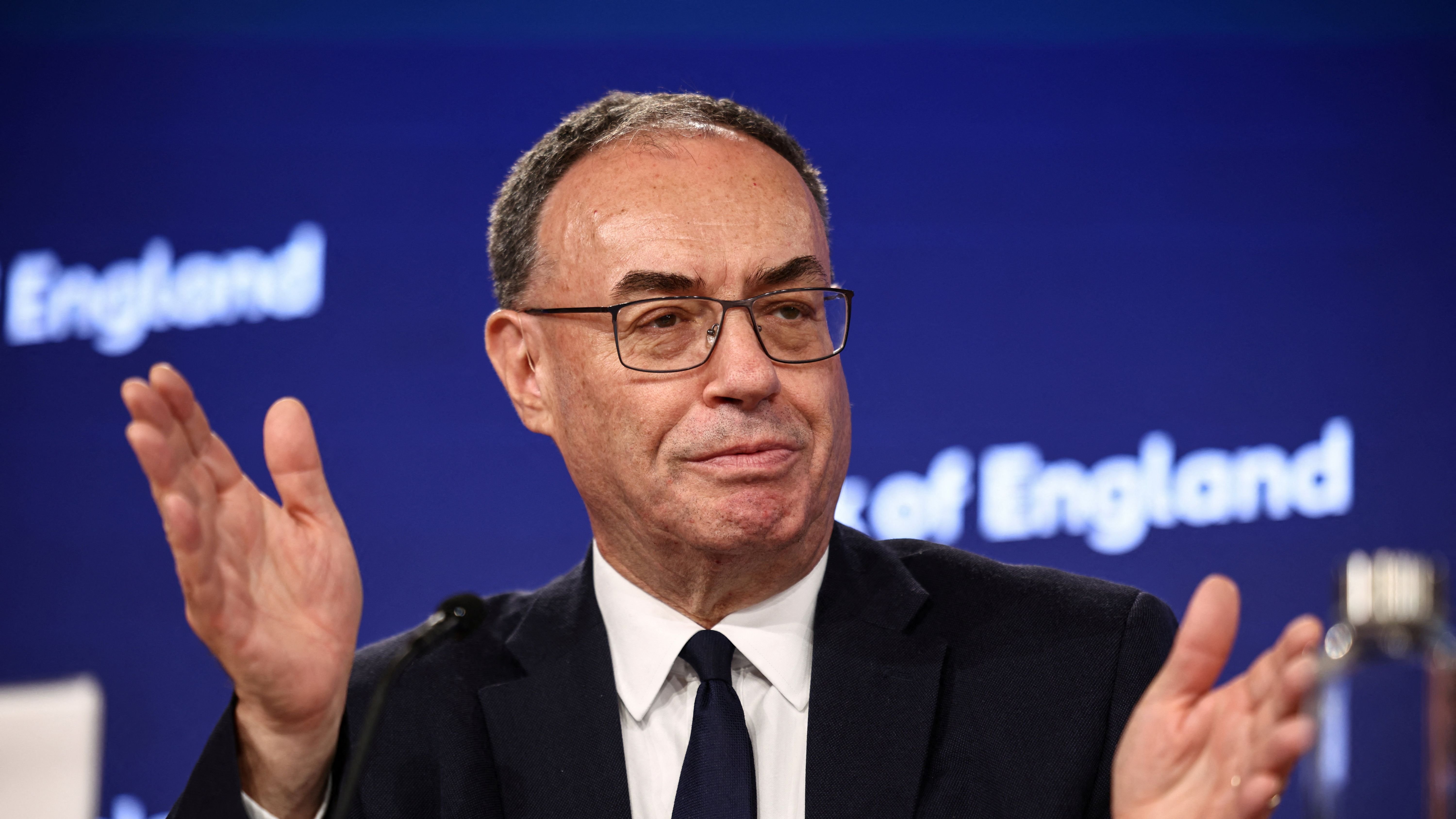
Not all MPC members agreed on the magnitude of the hike. Catherine Mann, the external committee member, dissented and called for a more substantial 50 basis point increase to 4.25 percent. Governor Andrew Bailey, in his statement, acknowledged the ongoing inflation risks but did not specify whether a second hike would follow. This division among MPC members reflects the uncertainty surrounding the economic landscape and the potential need for further action.

Bank of England issues interest rates warning after first rise in three years https://t.co/6vd5LUk2X2 https://t.co/2676b11orU
Despite the significant move, financial markets reacted minimally. The BoE's decision was widely anticipated, and the rate rise was already priced in by investors. The British pound, however, saw a notable strengthening, reaching its highest level against a basket of foreign currencies since the Brexit referendum ten years ago. The pound traded at approximately 1.35 dollars and 1.20 euros per pound, a testament to the market's confidence in the BoE's decision.
This cautionary tale highlights the central bank's determination to avoid a similar scenario.
The primary driver of the inflation surge is high energy prices, exacerbated by the ongoing conflict in the Middle East, particularly the war involving Iran. Britain's heavy dependence on imported gas makes it more vulnerable to these external shocks. The Bank of England's chief, Andrew Bailey, warned that a prolonged conflict in the Middle East could necessitate tighter monetary policy. This underscores the global nature of inflationary pressures and the BoE's need to adapt to changing economic conditions.

🚨 BREAKING: The Bank of England has raised interest rates to 4% from 3.75% - the first rise in over 3 years This makes sense to me. How are you feeling about this?
Market expectations are that the BoE will raise rates multiple times in the coming year. This sentiment is informed by the Bank's own projections, which predict inflation to climb to 5 percent by mid-2027. Kallum Pickering, an economist, noted that there is 'little evidence nor reason to believe this will turn into a persistent inflation shock.' However, the BoE is mindful of the 2022 experience, when they initially described an inflation surge as 'transitory' but eventually had to raise rates significantly. This cautionary tale highlights the central bank's determination to avoid a similar scenario.
For consumers, the interest rate hike means higher borrowing costs. This could affect everything from mortgage rates to credit card interest, potentially making it more expensive to finance purchases and investments. Savers, on the other hand, might benefit from higher returns on savings accounts. The overall impact on the economy is complex, with both positive and negative effects. The BoE's move is aimed at maintaining price stability, but it will take time to see the full effects.

🚨 BREAKING: The Bank of England has raised interest rates to 4% from 3.75%. - the first rise in over 3 years. https://t.co/AX5P45K7z1
The BoE's decision to raise rates comes at a time when other central banks are also taking action against inflation. The European Central Bank (ECB), the U.S. Federal Reserve (Fed), and the Bank of Japan (BoJ) have all raised their rates in recent months. This coordinated approach reflects the interconnected nature of global economies and the shared challenge of inflationary pressures. The BoE's move is seen as a step in line with global trends, but it also signals a shift from a 'wait and see' approach to direct intervention to prevent inflation from becoming embedded.

The Bank of England's decision to raise interest rates to 4 percent marks a new chapter in its monetary policy. While the immediate market reaction was calm, the long-term implications are significant. The BoE's actions reflect a broader global trend and a renewed focus on inflation control. For individuals, this means adapting to a new economic landscape where borrowing costs are higher and savings potentially more rewarding. The coming months will be crucial as the BoE continues to monitor inflation and adjust its policies accordingly.