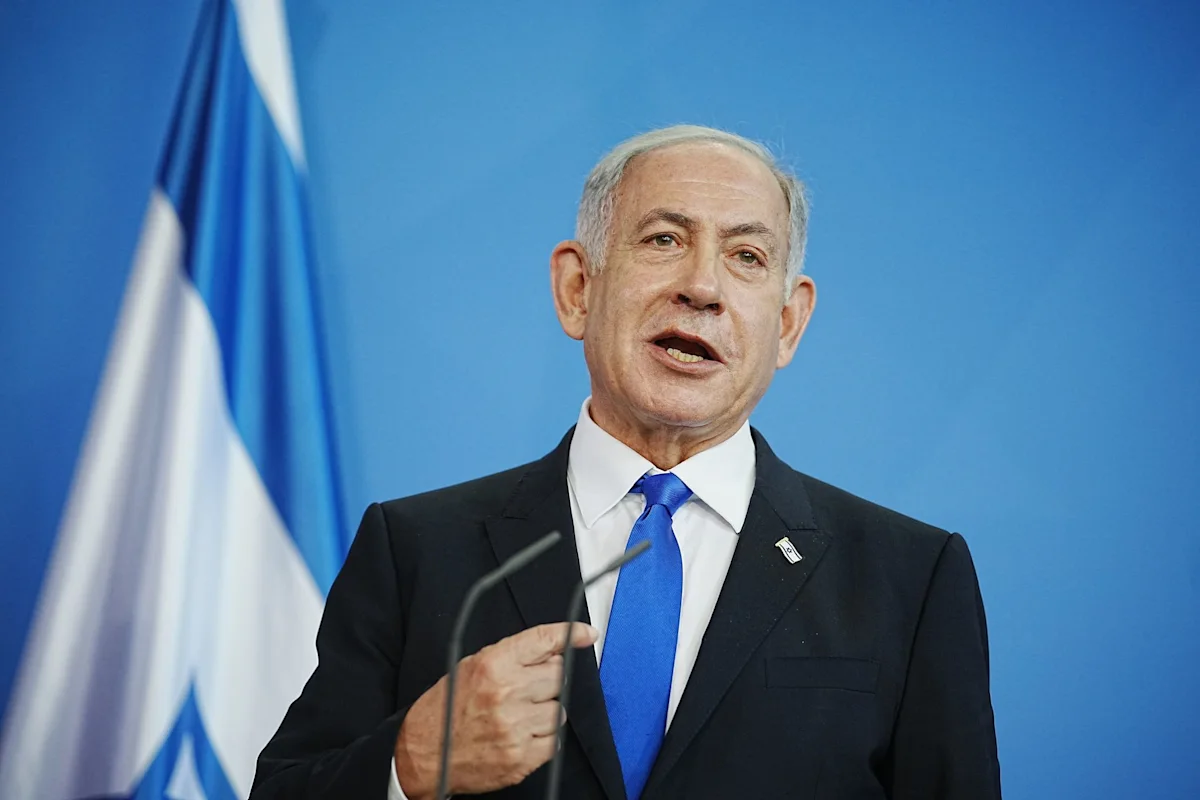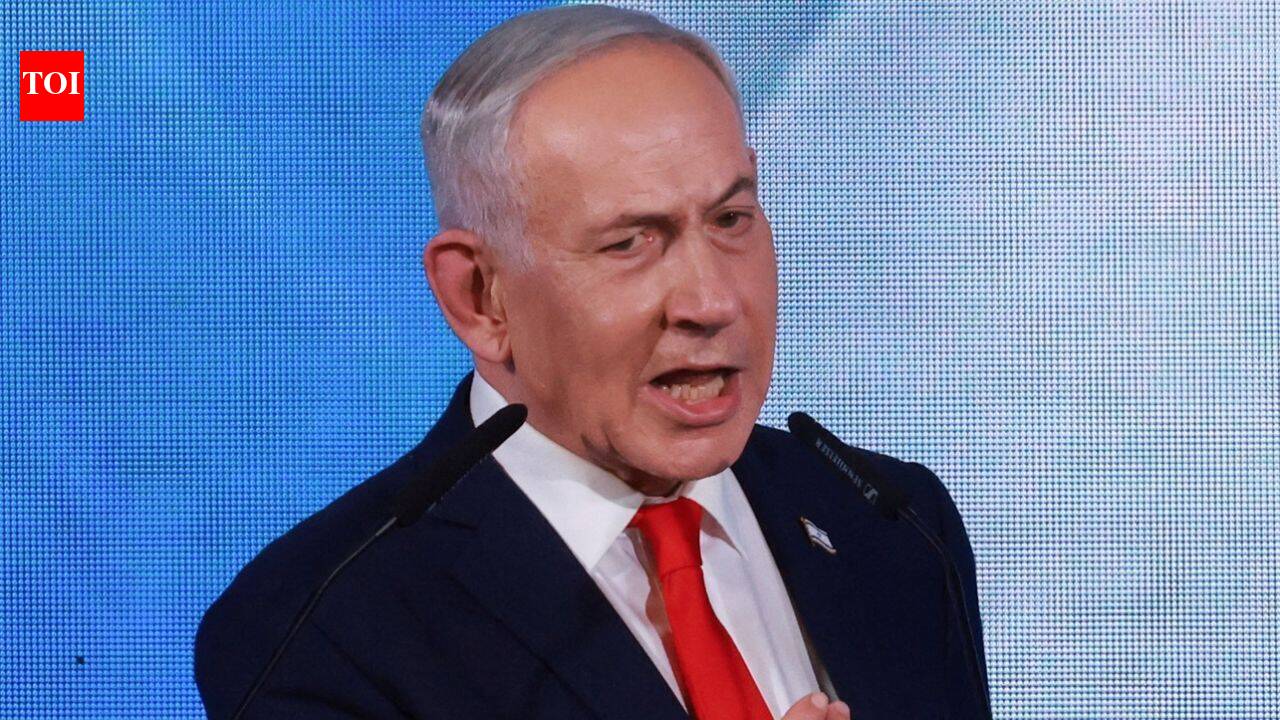
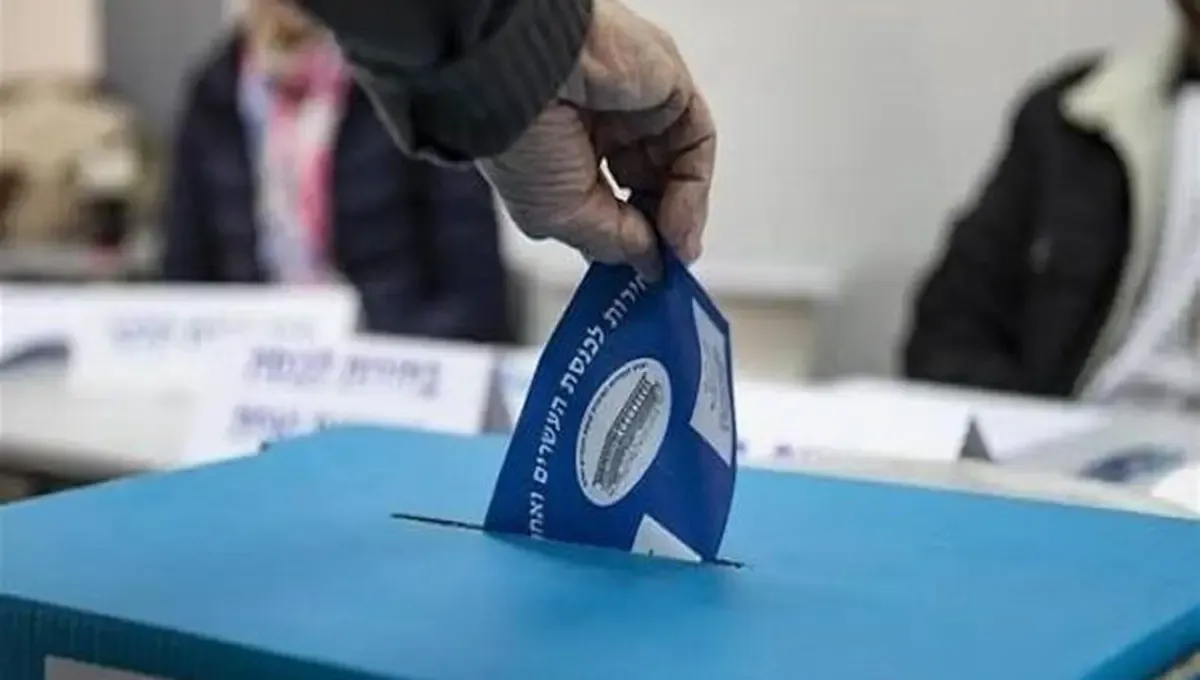
The atmosphere in Jerusalem shifted immediately after the polls closed on October 27, 2026. While voters across the country cast their ballots amidst security concerns and economic uncertainty, a fierce political battle erupted within hours. The results were not yet final, with only 85 percent of the total votes counted, leaving a significant portion of the outcome still in flux. Yet, even as the counting process continued, Prime Minister Benjamin Netanyahu moved to frame the entire event as an act of criminal theft.
On October 28, 2026, just one day after the election took place, Netanyahu made his accusation public. He stated that "The elections in the State of Israel were stolen by Arab parties that support terrorism and the elimination of the Jewish state through serious criminal offenses." This declaration set the tone for the coming days, casting a shadow over the democratic process. The Prime Minister argued that the integrity of the vote had been compromised by specific actions taken during the campaign and voting periods.
At the heart of Netanyahu’s argument were allegations of bribery, threats, violence, and forgery. He specifically pointed to the use of prohibited software designed to mobilize voters. According to the Israeli President Isaac Herzog, who urged political leaders to approach coalition negotiations with an open mind, these claims threatened the stability of the nation. However, the President also signaled a desire for cooperation rather than immediate conflict, suggesting that the path forward required dialogue despite the accusations.
The police are focusing on specific instances rather than accepting the general assertion that the election was stolen.
To substantiate these claims, the Likud party began submitting hundreds of testimonies and pieces of evidence to the police, Shin Bet, and the Central Elections Committee. They demanded a thorough investigation and prosecution of those responsible for the alleged irregularities. Yousef Jabareen, representing the Joint List alliance, called for a Jewish-Arab political partnership, adding another layer of complexity to the political landscape. His demand from the Central Elections Committee called for an immediate response to investigate criminal offences that he claimed had severely damaged the integrity of the elections in Israel and the election results.
Despite the heavy weight of these accusations, the official response from law enforcement remained measured. Israeli police have dismissed Likud's claims of widespread electoral fraud. The police are currently investigating 40 cases, which is about half the number from the previous election. This statistic suggests a difference in scale compared to past contests, but it does not necessarily validate the broader claim of systemic theft. The police are focusing on specific instances rather than accepting the general assertion that the election was stolen.
The numbers on the ballot reflect a complex political reality. The results show Likud with 53 seats, Gidi Azikun with 48, and Arab parties with 19. Over 600,000 votes are still to be counted, potentially affecting the final results. With such a large volume of ballots remaining, the margin between parties could shift significantly before the final tally is complete. The fact that 85 percent of the votes have been counted means the full picture remains incomplete, creating a window for further political maneuvering.
As the counting continues, the focus remains on whether the allegations of fraud will lead to tangible changes in the coalition negotiations. Netanyahu has accused Arab parties of electoral fraud, alleging serious violations including bribery, intimidation, violence, forgery, and the use of prohibited software. He demands a thorough investigation and prosecution of those responsible. The Likud party is submitting hundreds of testimonies and pieces of evidence to the police, Shin Bet, and Central Elections Committee. Israeli President Isaac Herzog urges political leaders to approach coalition negotiations with an open mind. The tension between the need for accountability and the practicalities of forming a government defines the current moment in Israeli politics.