
On 2026-10-23, U.S. Secretary of State Marco Rubio stepped beyond the traditional boundaries of diplomacy to issue a direct, public call to the people of Cuba. Rubio issued a summons that was less about statecraft and more about internal upheaval, urging Cuban citizens to embrace a partnership with the Central Intelligence Agency (CIA) to catalyze what he describes as positive change.
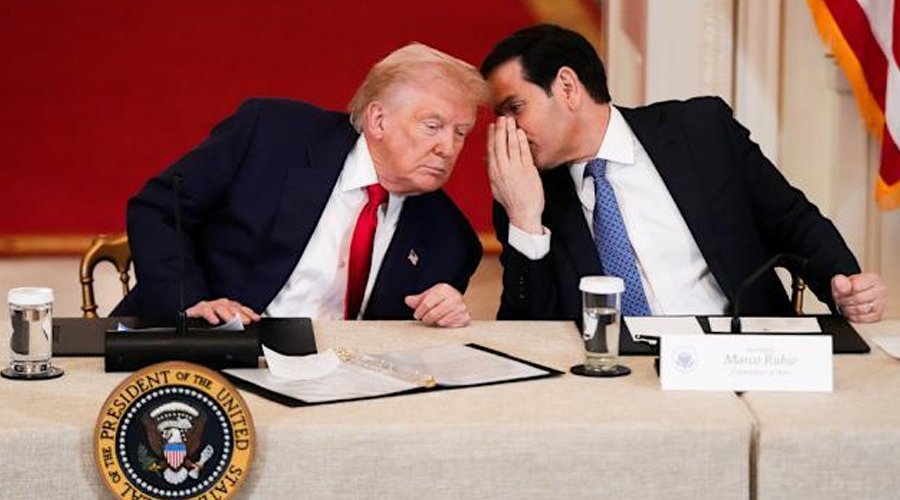
"Now is the right time for positive change in Cuba. Embrace it and partner with the CIA," Rubio stated, framing the agency not merely as an intelligence apparatus, but as a vehicle for domestic transformation. His message, "To those who seek to create positive change in Cuba—now is the time," resonated with a digital intensity, garnering 3.7 million views as the world watched the rhetoric shift from sanctions to active recruitment.
This overture does not arrive in a vacuum. It follows a period of intensifying economic constriction that has left the island nation struggling to maintain its most basic functions.
warships near the Cuban coast, a move that heightens the sense of imminent confrontation.
The blockade has placed the country under severe strain, creating a cascading effect of scarcity. As Cuba contends with acute fuel shortages, the lack of energy has exacerbated the failure of its already crumbling infrastructure, leading to widespread blackouts. The economic pressure is no longer just a matter of policy; it is a lived experience of darkness and deprivation for the Cuban people.
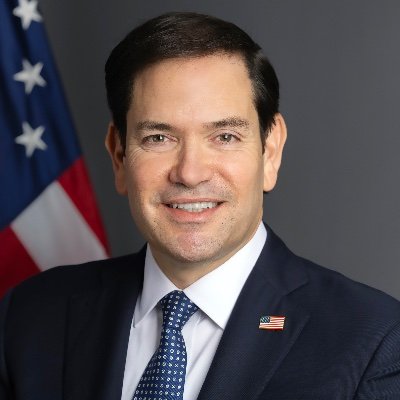
To those who seek to create positive change in Cuba - now is the time. The disappointment of failed promises, corruption, and the privileged lives of only a few; seize this opportunity to create the change you desire through a discrete partnership with the CIA.
While Rubio handles the ideological and intelligence-based front, President Donald Trump has signaled a broader, more aggressive geopolitical strategy. The administration’s focus is currently divided by regional priorities, but the President has made it clear that Cuba remains a primary target on the American agenda.
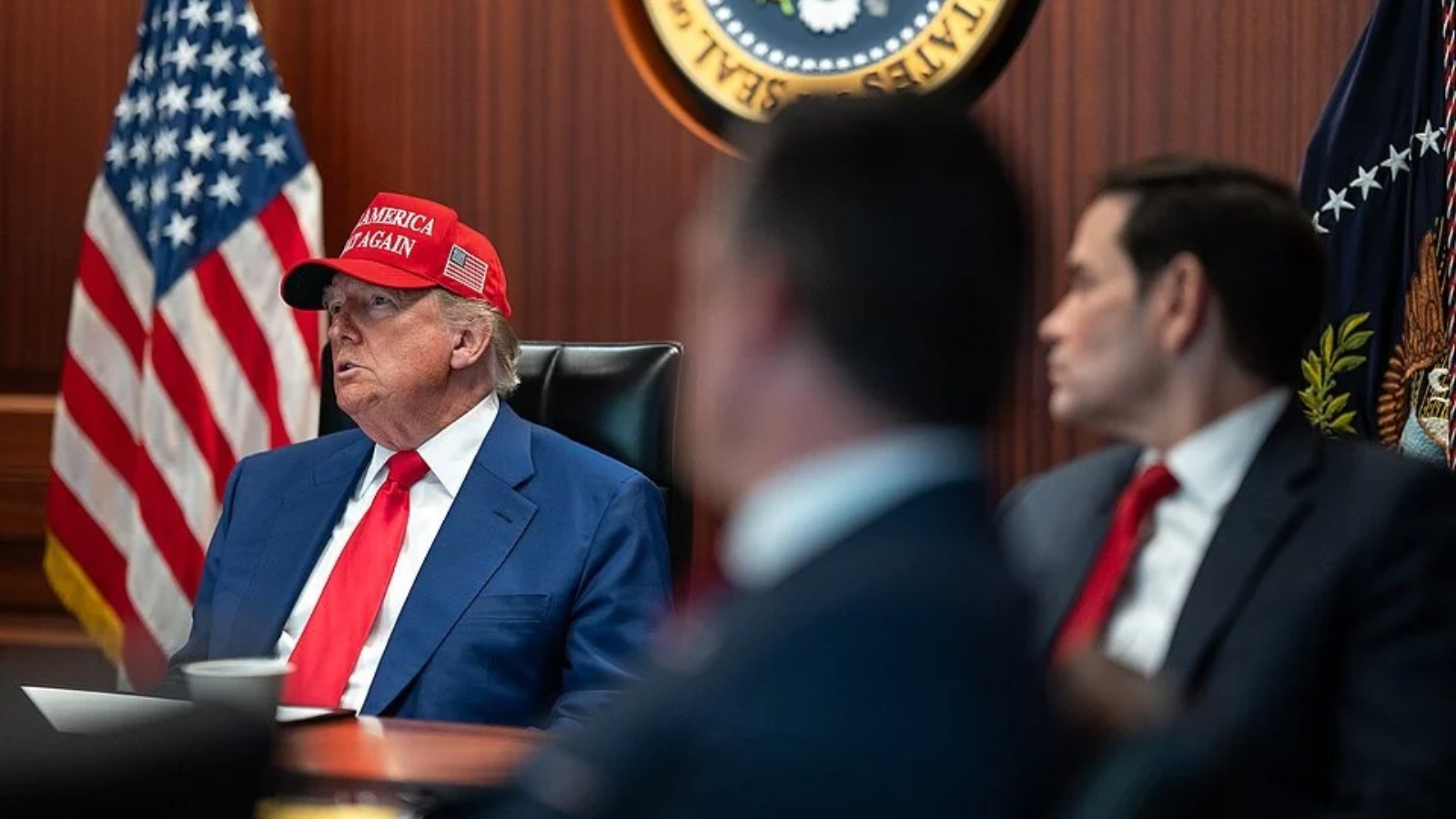
Trump has framed the approach to Cuba as a matter of sequence, suggesting that the administration will pivot toward the island once other regional tensions are managed. "We'll take care of Cuba on our way back from Iran," Trump promised, indicating that the resolution of conflicts in the Middle East is a prerequisite for the next phase of American action in the Caribbean. He further signaled a definitive end-game for the current administration's policy, stating, "...then we're going to send Marco Rubio in to finish up the deal."
As the rhetoric sharpens, the physical presence of the United States is also being felt. The Trump administration has raised the prospect of deploying U.S. warships near the Cuban coast, a move that heightens the sense of imminent confrontation. This combination of economic blockade, intelligence recruitment, and naval signaling has drawn a sharp, biting response from Havana.
Cuba’s Deputy Minister of Foreign Affairs, Carlos Fernández de Cossío, did not mince words in his rebuttal. Rather than engaging in a traditional diplomatic defense, he chose to mock the audacity of the American Secretary of State’s appeal. The Cuban leadership viewed the call for CIA partnership not as a legitimate pursuit of democracy, but as a sign of American weakness.
For the Cuban government, the attempt to recruit citizens via social media and public pronouncements is an admission of failure. De Cossío characterized the move as a sign that the United States has run out of traditional diplomatic tools. "Now the United States is resorting to public recruitment for the CIA," he wrote, suggesting that the move reveals a fundamental instability in Washington's strategy.
He further suggested that the U.S. must be operating from a place of "desperation or misery" to resort to such public methods of influence. From the perspective of the Cuban foreign ministry, the transition from sanctions to public recruitment is a descent into chaos rather than a structured pursuit of political change.
As of the current date, the situation remains a volatile mix of economic hardship and high-level political maneuvering. The United States has moved from the periphery of Cuban affairs to the very center of its internal struggle, using every tool from oil blockades to intelligence recruitment.
While the Trump administration promises a decisive conclusion to the Cuban impasse once their focus shifts from Iran, the people on the ground remain caught between the reality of failing infrastructure and the high-stakes promises of foreign powers. The line between diplomacy and subversion has blurred, leaving the future of the island hanging on the outcome of a confrontation that is being fought as much in the streets and on digital screens as it is in the halls of power.