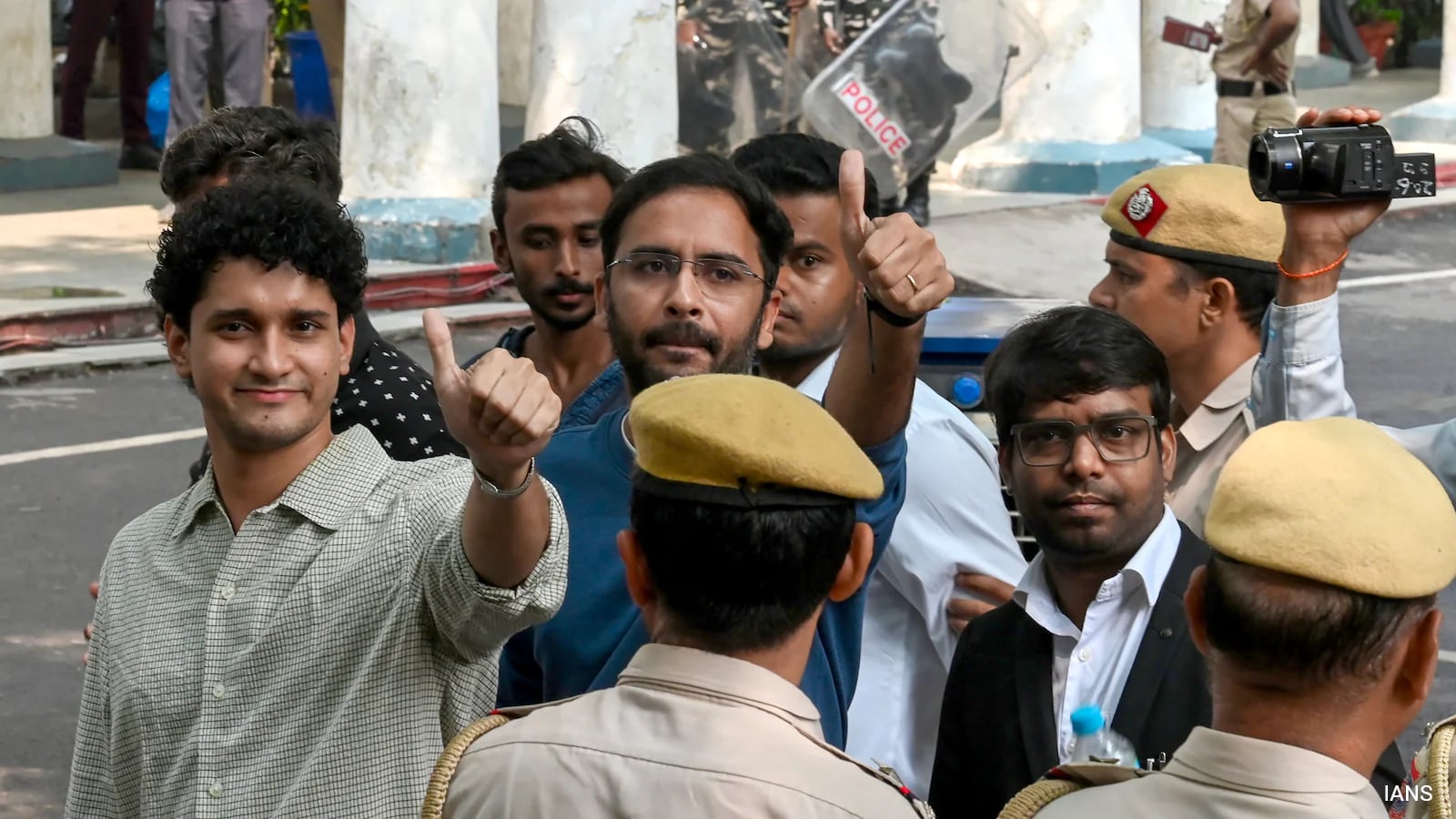
On October 13, 2026, two leaders of the CJP—Saurav Das and Ashutosh Ranka—were taken into custody after entering Jantar Mantar without permission. Jantar Mantar, the historic protest ground in the heart of Delhi, has long been a focal point for political demonstrations, and any unauthorized presence there draws immediate police attention. The Delhi Police detained the pair and, after initial processing, transferred the investigation to its Crime Branch, a specialized unit that handles sensitive and high‑profile cases. According to the court’s early assessment, the defendants had violated the conditions of any prior bond they may have furnished and engaged in what the judgment described as acts of lawlessness. The proceeding was framed by officials as emblematic of the broader friction between political organizations and the agencies tasked with maintaining public order, a tension that has surfaced repeatedly in recent years.

The following day, October 14, 2026, Das and Ranka were produced before an Executive Magistrate. At this preliminary hearing, the prosecution outlined the grounds for continued detention, citing the alleged breach of peace that stemmed from their Jantar Mantar entry and questioning the adequacy of the sureties offered to secure their release. In Indian criminal procedure, a surety is a person who guarantees that the accused will appear for future court dates; if the court deems the surety unfit, it may deny bail and order judicial custody instead. The magistrate, after hearing the submissions, determined that the existing guarantees were insufficient and that there was a credible risk of further disturbance if the pair were released. Consequently, the court ordered them into judicial custody, a form of detention where the accused remains under the supervision of the court while the investigation proceeds.

CJP Leaders Saurav Das, Ashutosh Ranka to Remain in Jail as Their Custody Is Extended for Two Days  https://t.co/P5nGltHW3g
Five days after the initial remand, on October 19, 2026, the magistrate revisited the matter. The prosecution had presented additional arguments, emphasizing the continued breach of peace and reiterating concerns about the sureties’ reliability. The defendants, meanwhile, were afforded the opportunity to file written responses, a standard procedural safeguard that allows the accused to contest the grounds for detention in documentary form. After weighing the written submissions and the prosecution’s assertions, the magistrate concluded that the circumstances warranted a further period of judicial custody. The order specified a five‑day extension, meaning that Das and Ranka would remain under court‑supervised detention until the next review date. This extension underscored the judiciary’s cautious approach in cases where public order allegations intersect with questions of bail adequacy.
The prosecution had presented additional arguments, emphasizing the continued breach of peace and reiterating concerns about the sureties’ reliability.
The episode, as described in the available sources, highlights how legal mechanisms such as bond violations, surety assessments, and remand hearings operate in practice when political activism meets law‑enforcement scrutiny. While the precise motivations behind the Jantar Mantar incident remain part of the ongoing investigation, the chronological progression—from arrest, to first appearance, to the magistrate’s decision to prolong custody—illustrates the procedural steps that shape the liberty of individuals awaiting trial in India’s criminal justice system.