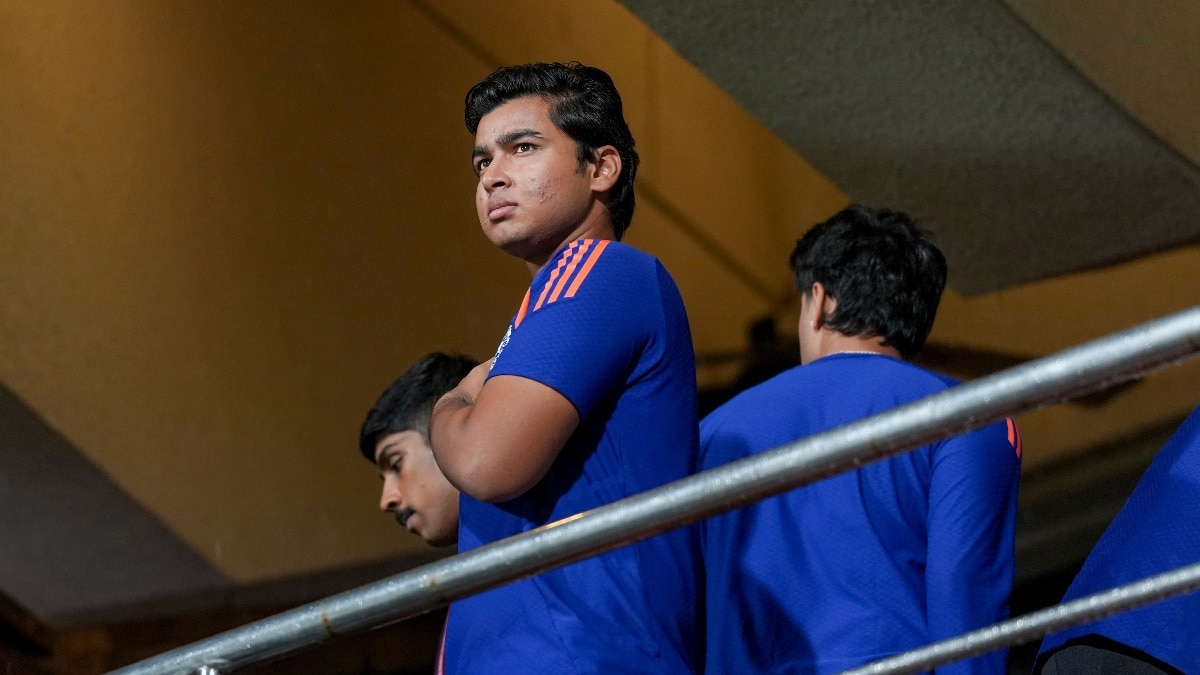
India won a T20 match against New Zealand by four wickets on an unspecified date. Vaibhav Sooryavanshi, playing at No. 3, underperformed, which became the focal point of post-match analysis.
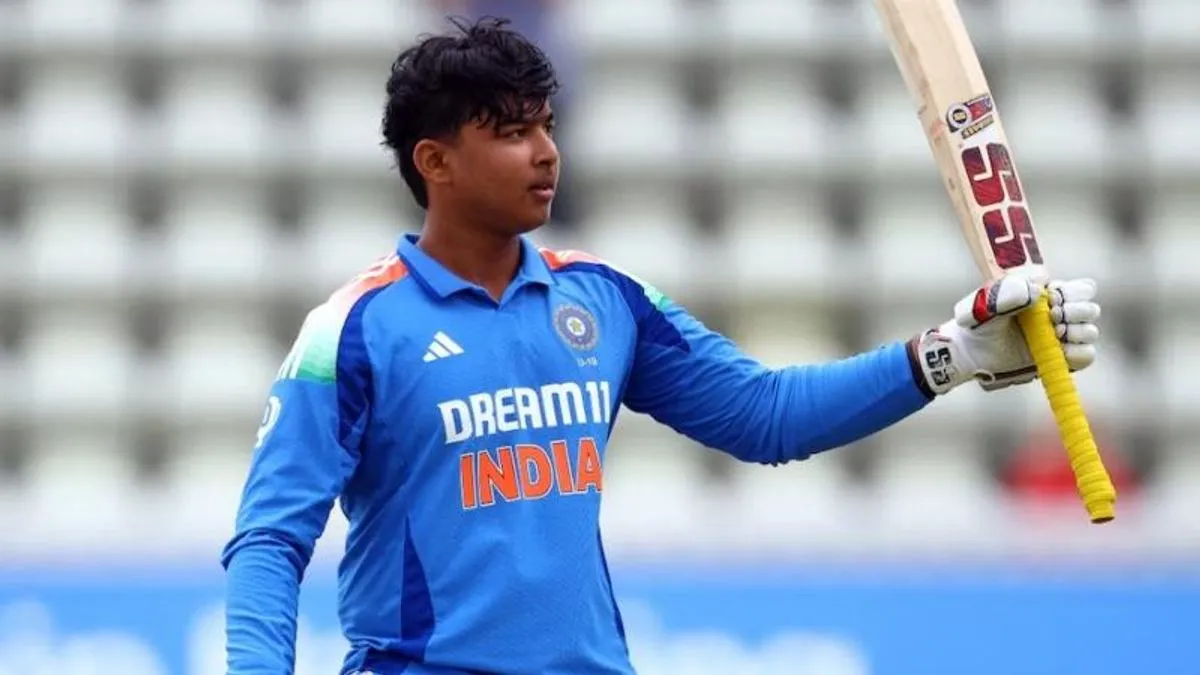
India's victory over New Zealand, while celebrated, was tinged with the realization that a key batting slot had not been maximized.

200cr+ opening with Rajamouli 100cr+ opening with Sujeeth 100cr+ opening with Om Raut 150cr+ opening with Prashanth Neel 150cr+ opening with Nag Ashwin 100cr+ opening with Maruthi INDIA'S BIGGEST SUPERSTAR 👑🥵 #HappyBirthdayPRABHAS #Prabhas https://t.co/Duy3oMmrdv
Ravichandran Ashwin, the former Indian spin maestro turned pundit, was unambiguous in his assessment. “He was not batting like a batsman. He was like a fish out of water,” he said, capturing the sense that Sooryavanshi's technique seemed out of sync with the demands of the role. Ashwin’s critique went further, noting that “Suryavanshi's timing and rhythm were completely wrong.” For a player whose game is still evolving, such public feedback from a cricketing legend carries weight.
Openers face the freshest bowlers and a swinging ball, but they also have the luxury of pacing an innings without the immediate pressure of a required run rate.
Murali Kartik, himself a former spinner who has watched the game's tactical shifts for decades, offered a different perspective on Sooryavanshi’s struggles. “I was repeatedly saying this, even before the match started. When you are playing Vaibhav Sooryavanshi, where is he at his best? He is good as an opener. You have put him in the middle order, which he has not played before,” Kartik argued. The former international highlighted a classic cricketing principle: players often thrive when deployed in positions that align with their natural game. An opener, tasked with seeing off the new ball and setting the tempo, may suit Sooryavanshi’s skill set better than the pressure-laden middle-order slot.
In the shortest format of the game, the batting order is a strategic puzzle. Openers face the freshest bowlers and a swinging ball, but they also have the luxury of pacing an innings without the immediate pressure of a required run rate. Middle-order batsmen, especially at No. 3, are expected to accelerate quickly, often against a bowler who has already found a rhythm. For a young player still calibrating his timing, the shift from a relatively measured opening role to a rapid-middle-order demand can be jarring. The criticism from Ashwin and Kartik, therefore, is not merely personal; it reflects a broader conversation about how teams nurture emerging talent in high-pressure environments.
The debate sparked by Sooryavanshi's performance is likely to echo into future squad meetings. Coaches and selectors must weigh the immediate need for runs against the long-term development of a player. If Kartik's suggestion gains traction, Sooryavanshi could be trialed at the top of the order in upcoming series, giving him a chance to play to his strengths. Conversely, Ashwin's blunt appraisal may prompt a more cautious approach, perhaps keeping him in the middle order but pairing him with a more experienced partner to guide his innings.
India's victory over New Zealand will be recorded as a win, but the underlying narrative points to a crossroads for a promising youngster. The dual lenses of veteran criticism and tactical re-evaluation underscore the delicate balance between winning today and building a resilient team for tomorrow. As the Indian camp digests the feedback, Sooryavanshi's next assignment—whether at the top of the order or elsewhere—will be a litmus test for how the team adapts its strategy in the ever-evolving landscape of T20 cricket.

Cricket, like any sport, thrives on the tension between tradition and innovation. When a player like Sooryavanshi falters, the ensuing discourse among seasoned voices such as Ashwin and Kartik offers fans a glimpse into the decision-making engine that powers a national side. Their critiques are not merely about one innings; they are about shaping a roster that can consistently compete on the world stage. The conversation sparked on an unspecified date may well influence the batting lineup that fans will cheer on in the months and years to come.