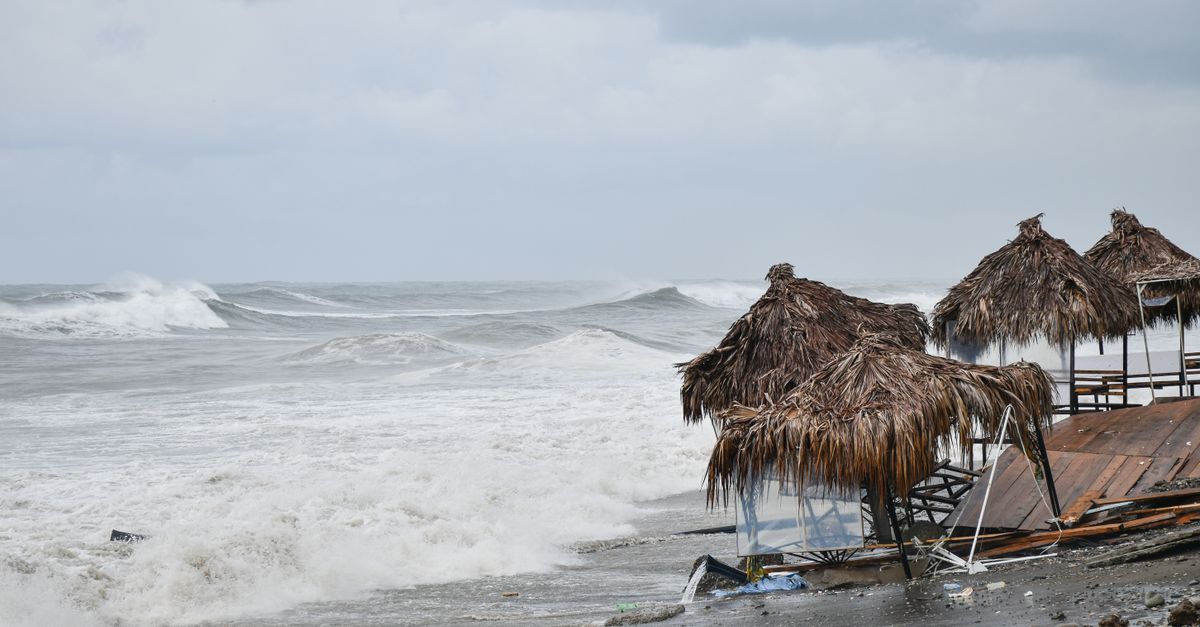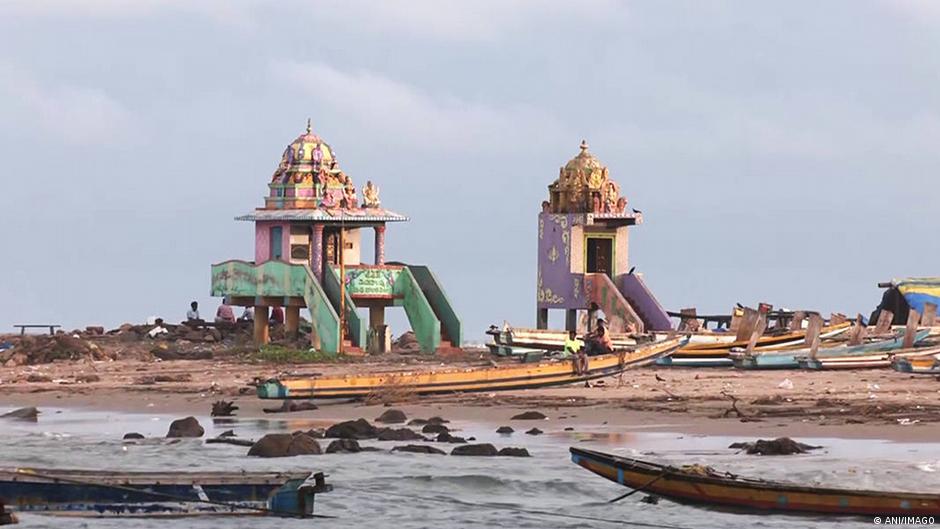
The storm’s arrival was sudden and brutal. Cyclone Murasu, a storm of the East India Ocean’s violent kind, made landfall near Ongole, in Andhra Pradesh, on November 3, 2026. The Indian Meteorological Department had warned of its approach days earlier, but the damage it wrought was still staggering: winds that tore through villages, heavy rains that turned fields into rivers, and trees—thousands of them—uprooted as if by an unseen hand. Electric poles snapped under the weight of downed branches, crops vanished beneath floodwaters, and entire communities were left wondering how such a storm could strike so close to home. In the eight districts where schools were closed as a precaution, children and teachers alike found themselves without a place to learn, their routines upended by the storm’s fury. The cyclone’s path had been unpredictable, but its impact was undeniable: a reminder that even in a land where seasons shift with the seasons, nature’s wrath could strike with little warning.