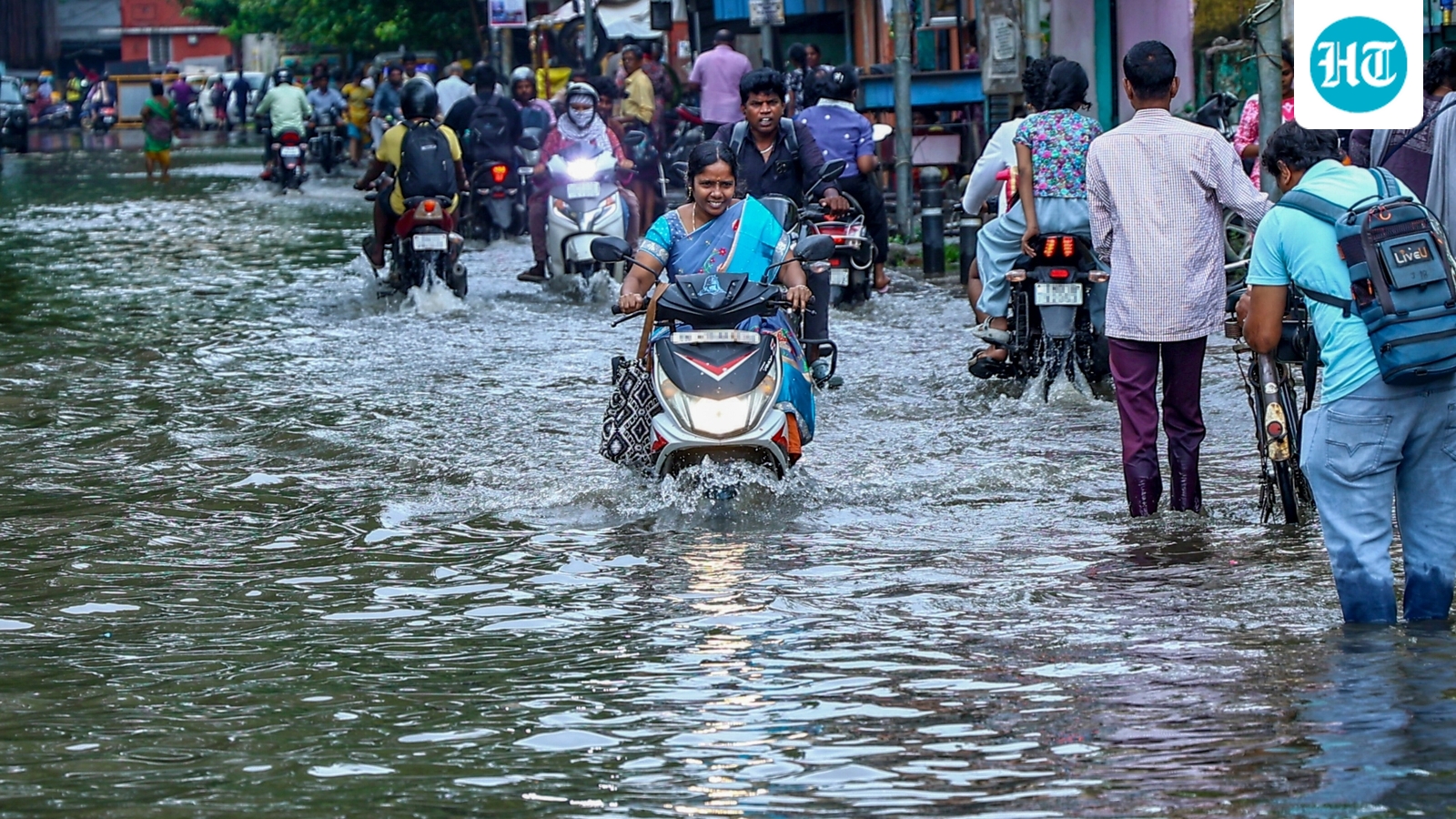
Chennai faced heavy rainfall during the northeast monsoon season, prompting extensive relief efforts. By the time the sun threatened to peek through the clouds, the accumulation was staggering. The city’s weather stations recorded a staggering 36 centimeters of rain in a single day at Parry’s Corner, a historic commercial hub in the heart of the city. Nearby, the suburb of Kathivakkam fared little better, recording 34 centimeters. These numbers are not merely statistics; they represent a volume of water that can turn roads into rivers and subways into lakes, turning the daily commute into a perilous journey.
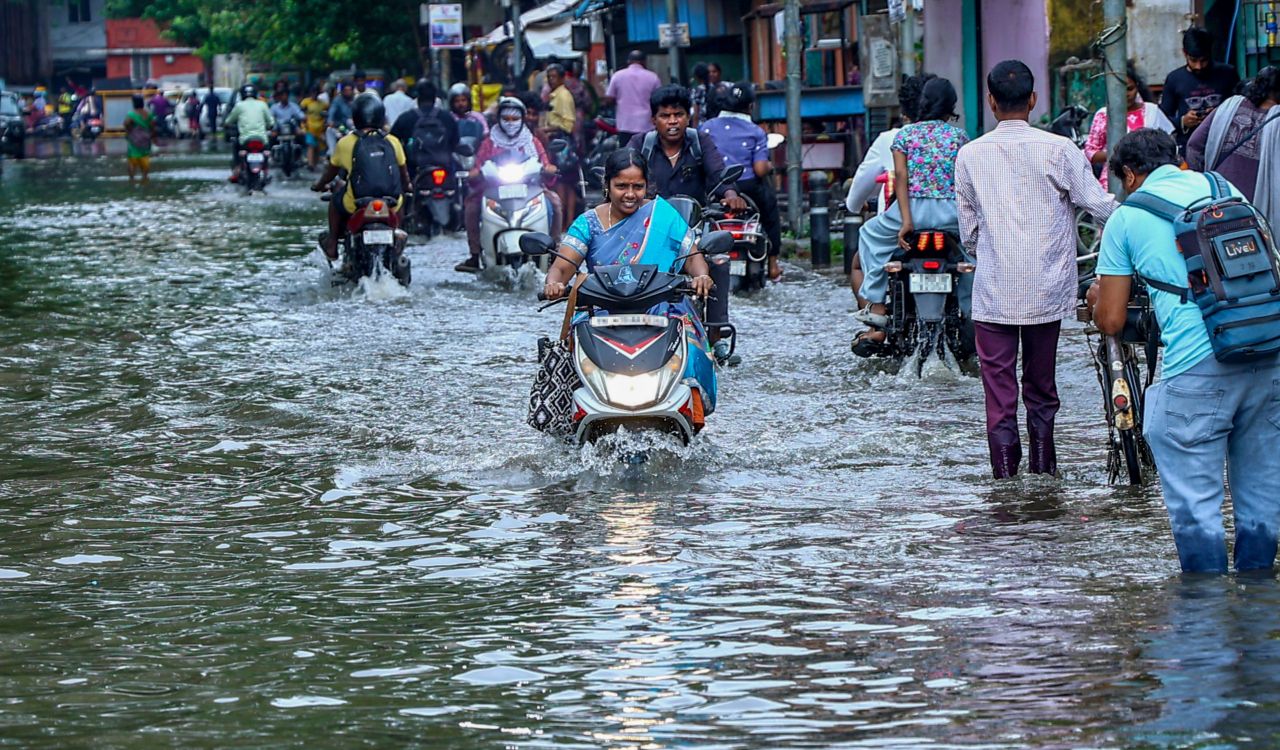
For the residents of Chennai, the most immediate threat was not the rain itself, but where it was going. The city’s subway systems, designed to channel water away from the streets, became the primary battlegrounds. When the water level rose, these underground passages became traps, cutting off neighborhoods and trapping commuters in their vehicles. The authorities faced a race against time. On October 18, 2026, they reopened 22 subways, a critical step in restoring some semblance of normalcy to the city’s arteries. Yet, the battle was far from over. The water continued to rise, and the subways remained a constant reminder of the city's vulnerability.

Chennai: Tamil Nadu CM Vijay reviews monsoon preparedness works👏👏🔥 #CMVijay @CMOTamilnadu https://t.co/R5pdFHP9XD
Faced with this onslaught, the Tamil Nadu government knew it could not rely solely on its emergency services. It needed a massive, coordinated effort to remove the water that was threatening to overwhelm the city. The response was swift and massive. Over fifteen thousand conservancy staff were deployed to the streets. These workers, often the unsung heroes of urban maintenance, became the first line of defense against the rising tide. They worked around the clock, using pumps, buckets, and sheer manpower to drain low-lying areas and restore traffic movement. Their efforts were complemented by the National Disaster Response Force (NDRF) teams, which brought specialized equipment and training to the most critical rescue operations.
The situation was dire enough to warrant the attention of the India Meteorological Department (IMD).
The situation was dire enough to warrant the attention of the India Meteorological Department (IMD). The agency issued red and orange alerts for various districts in Tamil Nadu, signaling the severity of the weather event. These alerts are not mere warnings; they are a call to action for all levels of government and for citizens to take precautions. The alerts underscored the fact that the rain was not just a nuisance but a genuine threat to life and property. The combination of the heavy rainfall, the submerged subways, and the widespread alerts created a sense of unease that permeated the city. The northeast monsoon had transformed from a seasonal event into a full-blown crisis.
As the rain began to taper off, the focus shifted to recovery. The Tamil Nadu government initiated relief and rehabilitation efforts to address the impact of the heavy rainfall. The focus was on removing rainwater from low-lying areas and restoring traffic movement. The reopening of the subways was a crucial step in this process, but it was only the beginning.