
The border separating the Korean Peninsula is more than a line on a map; it is a landscape defined by silence, suspicion, and the constant, grinding friction of two nations technically still at war. Recently, that friction turned violent. A landmine blast within the demilitarized zone—the narrow strip of land that has served as a buffer between North and South for decades—shattered the uneasy status quo. This incident was not an isolated anomaly but the latest in a series of escalations that have brought the two neighbors to a precarious precipice. For the South Korean government, the blast served as a grim reminder that the current lack of communication is a luxury they can no longer afford.
On October 23, 2026, the South Korean government took a decisive, if uncertain, step toward de-escalation. Officials in Seoul formally proposed military-to-military talks with their counterparts in the North. The objective of this outreach is as practical as it is urgent: to resolve lingering border disputes, confirm the precise locations of demarcation lines, and, perhaps most importantly, restore the communication channels that have withered under years of mutual hostility. By establishing a direct line of contact, Seoul hopes to prevent the kind of accidental clashes that could spiral into a broader conflict. The proposal even leaves the door open for a more complex, three-way dialogue involving the United Nations Command, which oversees the armistice that ended active fighting in the Korean War.

South Korea Proposes Talks with North Korea on Land Border Again https://t.co/ByeV3QhnIv
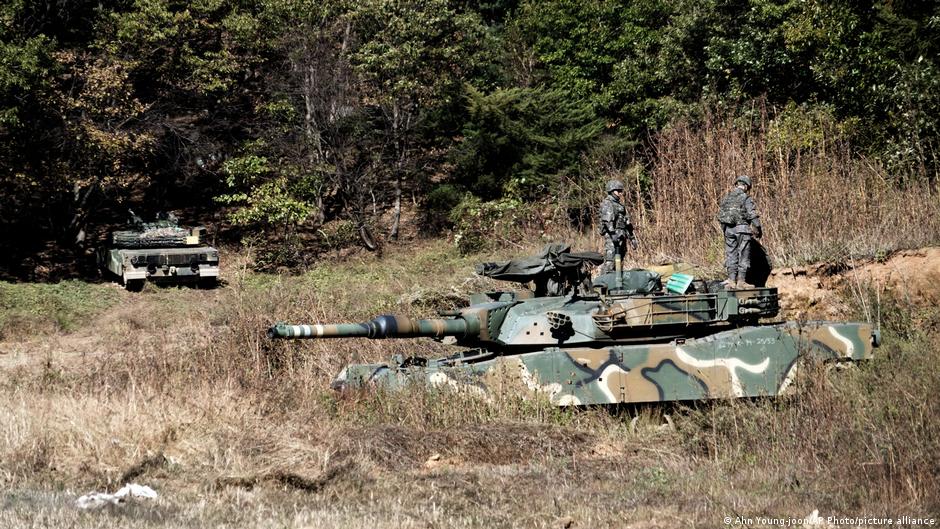
While Seoul looks toward the negotiating table, the reality on the ground suggests a different trajectory. Even as the offer for talks was extended on October 23, 2026, the North Korean military was actively fortifying the border with new, defensive infrastructure. Reports indicate that North Korean soldiers have been moving into firing positions along the frontier, a maneuver that signals a high state of readiness rather than a willingness to engage in diplomacy. This military posture is compounded by accusations from the South that North Korean soldiers have repeatedly crossed the border, further eroding the fragile trust required for any meaningful discussion.
Pyongyang has shown no immediate interest in the proposed talks, and the rhetoric emanating from the North remains combative.
For now, the overture from the South has met with a cold reception. Pyongyang has shown no immediate interest in the proposed talks, and the rhetoric emanating from the North remains combative. Kim Yo-jong, the sister of the North Korean leader, has issued a sharp warning, threatening retaliation against any perceived provocation from the South. This stance underscores the deep-seated ideological and strategic divide that has long defined the relationship between the two states. For the South, the goal is to manage the volatility of the border; for the North, the current strategy appears to be one of intimidation and defensive posturing.

ALERT | North Korea has planted an estimated 960,000 landmines along the DMZ since 2024 says South Korea.
As the dust settles on the latest round of posturing, the situation remains in a state of suspended animation. The South Korean government’s proposal remains on the table, a standing invitation that represents a gamble on the power of diplomacy in an environment dominated by artillery and landmines. Whether this initiative can pierce the wall of silence from the North or whether the border will continue to harden into a more dangerous, militarized zone is a question that will likely define the coming months. For those living in the shadow of the demilitarized zone, the wait for an answer is not merely a matter of policy—it is a matter of survival.