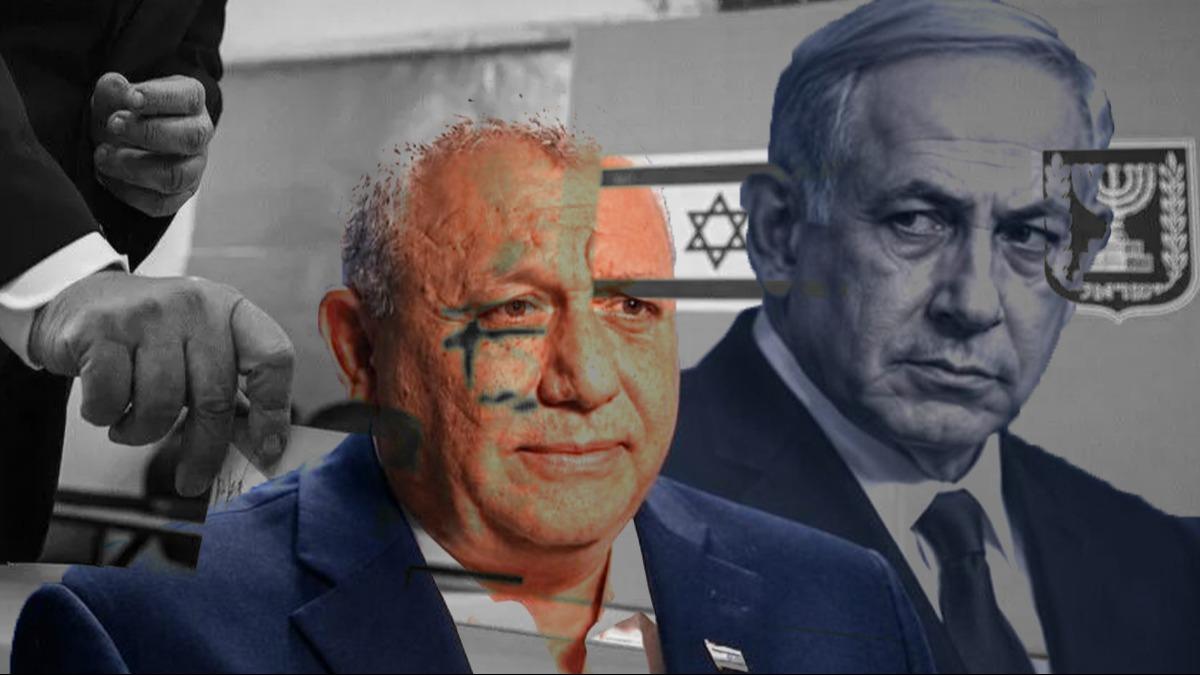
When the final tallies rolled in on October 29, 2026, the nation’s 120-seat Knesset was split into three distinct groupings that could not combine into a governing coalition. The ruling coalition anchored by Benjamin Netanyahu’s Likud party captured 27 seats, falling short of the 61-seat threshold with a total bloc of 53 members. Across the aisle, Gadi Eisenkot’s Yashar party, the centerpiece of the opposition, secured 21 seats, and its broader alliance reached 48 seats—still well below the magic number. Meanwhile, Arab parties, running on a joint list, clinched 19 seats, marking a historic level of representation for Palestinian-origin legislators.
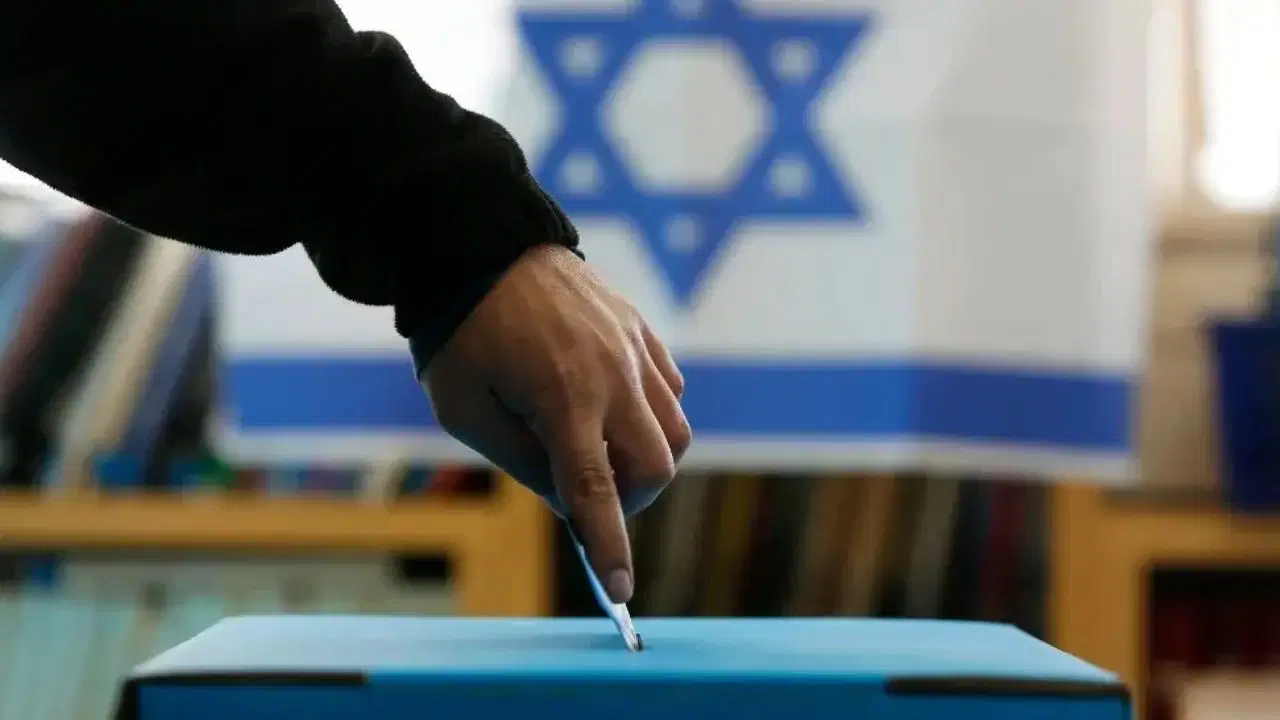
Netanyahu’s Likud has long been the linchpin of Israel’s right-wing politics. In this election, the party itself won 27 seats, the largest single-party share, yet the coalition it led could only muster 53 seats. The shortfall underscores how even a dominant party can be hamstrung when smaller allies either withdraw or fail to secure enough votes. The 53-seat count reflects a coalition that, while sizable, lacks the 61-seat majority required under Israel’s parliamentary rules to form a stable government.

Netanyahu accused Arab Israeli voters of fraud. Racist. Undemocratic. Whether the opposition forms a coalition with them says a lot about Israel. https://t.co/AYHQsnLuZW
The Yashar party, under the leadership of Gadi Eisenkot, emerged as the second-largest force with 21 seats. Eisenkot’s opposition bloc, aggregating 48 seats, also fell short of the coalition threshold. Although Yashar’s performance signaled a growing appetite for alternatives to Netanyahu’s long-standing dominance, the opposition’s inability to bridge the gap to 61 seats left it in the same deadlock as the ruling side.
However, ideological divides and policy disagreements make such alliances far from straightforward.
Perhaps the most striking outcome of the vote was the Arab parties’ joint list, which secured 19 seats. This achievement represents a historic level of representation for parties that primarily advocate for Palestinian citizens of Israel. The 19-seat bloc, now holding a decisive share of the Knesset, enough to sway the balance in any future coalition negotiations, reshapes the political calculus, forcing both the right-wing and centrist blocs to reckon with a new, influential partner.

The Times of Israel: Eisenkot accused Netanyahu of attempting to discredit the election results and stated that he would not allow the swearing-in of the new Knesset to be delayed by even one day. Final election results in the occupied territories: Netanyahu's coalition: 53 seats Eisenkot's coalition: 48 seats Arab parties: 19 seats
Israel’s parliamentary system requires any governing coalition to command at least 61 of the 120 seats. The election results left the three major groupings at 53, 48, and 19 seats respectively. Even if the Arab bloc aligned with either the Likud-led or Yashar-led groups, the combined totals would be 72 or 67 seats—both sufficient for a majority. However, ideological divides and policy disagreements make such alliances far from straightforward. The deadlock therefore sets the stage for protracted negotiations, with each side weighing the political cost of partnering with the Arab coalition against the necessity of securing a functional government.
The election saw a total of 5.6 million votes cast, reflecting a robust engagement from the electorate despite the fragmented outcome. This turnout underscores the high stakes involved in parliamentary representation, as the nation grapples with various challenges. The sheer volume of votes also highlights the legitimacy of the Arab parties’ historic gain; their 19 seats are backed by a substantial segment of the voting public.

In Israel, nearly all the votes have been counted in Tuesday's election. Prime Minister Benjamin Netanyahu and his allies emerged as the largest bloc, but lost seats and fell short of the majority needed to form a government. The results leave Israel facing the prospect of political gridlock. Nick Schifrin (@nickschifrin) reports from Tel Aviv.
With no clear majority, Israel now enters a period of coalition talks that could extend for weeks, if not months. The President will consult with party leaders to assign a “prime minister-designate” who will attempt to cobble together a governing alliance. Given the numbers, both Netanyahu and Eisenkot have a plausible path: each could seek the Arab bloc’s support to cross the 61-seat line. The political rhetoric surrounding the Arab parties, often focused on minority rights and representation, means any overtures will be scrutinized intensely by both domestic constituencies and international observers.
The election’s stalemate is more than a procedural hiccup; it signals a shifting Israeli polity where traditional binary divisions are giving way to a more pluralistic, albeit complex, landscape. The Arab parties’ historic representation could amplify calls for policy reforms on minority rights, while the inability of the two major blocs to secure a majority may embolden smaller parties to leverage their positions in exchange for policy concessions. For Israel’s democratic institutions, the challenge will be to navigate these negotiations without eroding public confidence in the parliamentary system.
As Israel stands at this juncture, the immediate future remains uncertain. The Knesset’s composition—27 Likud seats, 21 Yashar seats, and a record 19 Arab seats—offers both obstacles and opportunities. Whether the country can forge a coalition that reflects its diverse electorate while maintaining stability will define the next chapter of its political narrative.