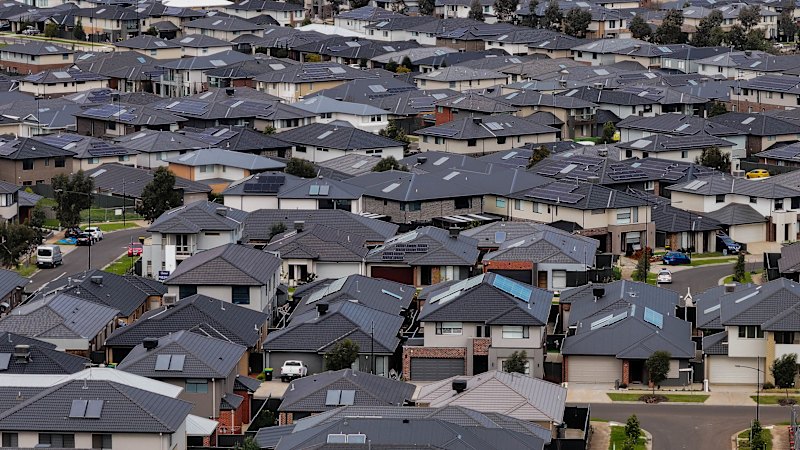
In early 2026, Gurvinderpal Singh, a Melbourne homeowner, turned to TikTok to voice his frustrations with Singh Homes, the company he had hired to build his house. His video, posted in Punjabi, quickly gained traction with over 220,000 views. Singh accused the construction company of systemic faults, unresponsiveness, and causing severe emotional distress. "I had a very bad experience with Singh Homes," Singh stated in the video. "During the construction of the house—from the slab stage to completion—whatever they finished, major faults were found in everything. Many times, you call them, and they won’t give any response because their time is valuable, but your time has no value. They put you in a situation where you feel desperate."
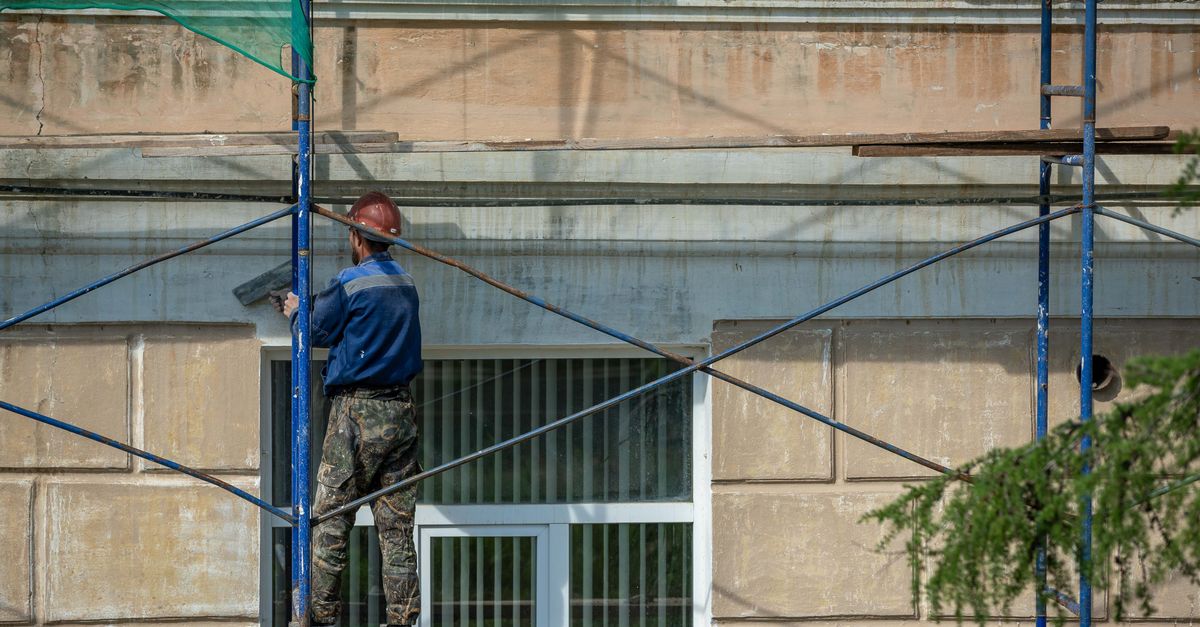
The construction project began in early 2026, but disputes over quality and payments quickly escalated. Tensions grew to the point where Singh Homes terminated the contract, prompting Singh to publicly share his complaints on social media.

Check out CanadaZen01's video! #TikTok https://t.co/FDuXqEPFUg. FUCKING NOW
The viral video sparked backlash, leading to widespread customer withdrawal from Singh Homes. The company pursued legal action, arguing that the allegations had caused significant reputational harm. The case went to the County Court of Victoria, where a jury would determine the consequences of Singh’s online complaints.
Additionally, Singh was ordered to pay $105,000 each to the two company owners for defamation.
The jury found Singh’s claims false and ruled that his video had caused substantial harm to Singh Homes, resulting in lost contracts and reputational damage. The company was awarded $673,000 to compensate for these losses. Additionally, Singh was ordered to pay $105,000 each to the two company owners for defamation.
Judge Julie Clayton later reduced the defamation payouts to the owners to $5,000 each, noting that their reputational harm was ‘minor and temporary.’ However, she upheld the substantial financial penalties against Singh Homes due to the widespread impact of the video on customer trust and business operations.
In total, Gurvinderpal Singh was ordered to pay $1.1 million in damages—a financial burden that underscores the risks of unchecked online complaints. The case serves as a cautionary example of how viral content can escalate into costly legal battles, particularly in industries like construction where trust is paramount.
This decision reinforces the potential consequences of public accusations without substantiated evidence. As social media continues to shape public discourse, cases like Singh’s highlight the need for caution when sharing grievances online. The viral video remains a stark reminder that words can carry severe legal and financial repercussions.
