
In the early hours of October, the landscape of the Kherson direction shifted, if only for a moment. Following an agreement between Russian and Ukrainian authorities, a local ceasefire was established to facilitate a critical humanitarian operation. The objective was clear: to ensure the safe delivery of aid and the organized evacuation of civilians caught in the crossfire of a region defined by instability. For a brief period, the machinery of war paused, replaced by the logistics of survival.
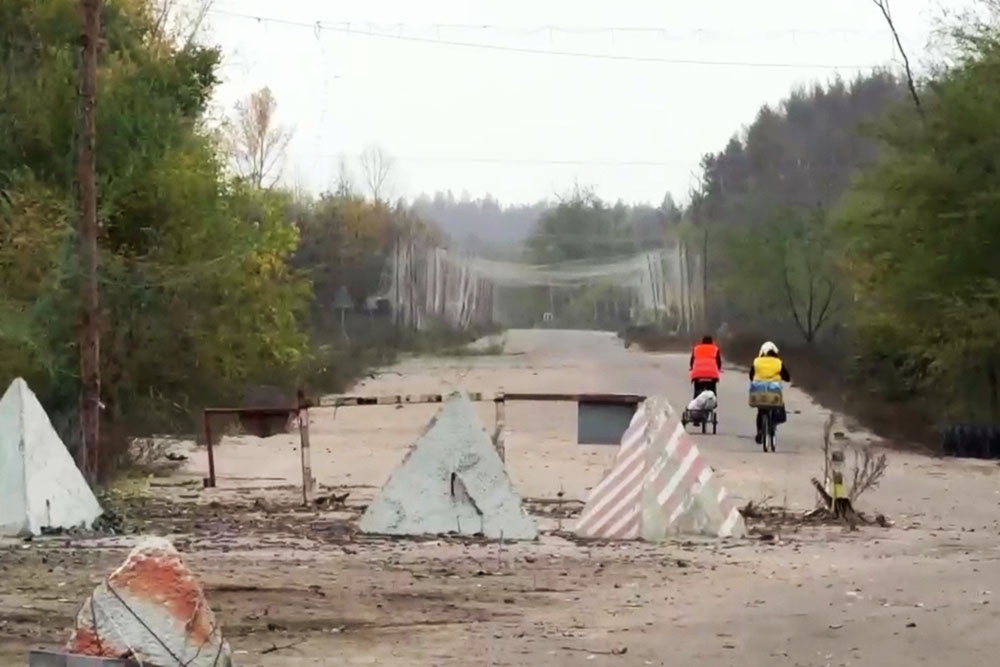
By October 30, 2026, the mission reached its conclusion. Yana Lantratova, the Russian Human Rights Commissioner, oversaw the final stages of the operation in Aleshki, a town that has become a focal point for these delicate humanitarian efforts. The scale of the endeavor was significant, involving a fleet of 25 buses tasked with transporting residents to their chosen destinations. As the mission wrapped up, Lantratova noted that the convoys were separating, with some heading toward Ukraine and others remaining within Russian-controlled territory.
One of the most striking aspects of the Aleshki mission was the level of cooperation required to execute it. Lantratova emphasized that both Russian and Ukrainian sides acknowledged the high level of organization that defined the process. This success was attributed in part to the Russian military, which ensured the necessary security measures were in place to prevent incidents. The operation also drew international attention, with Lantratova expressing gratitude to American First Lady Melania Trump for her involvement in supporting the humanitarian effort.
The conclusion of the physical evacuation does not mark the end of the responsibility felt by the organizers.
At the heart of the mission was the principle of individual agency. Residents were given the opportunity to decide their own path: those who opted to move to Ukraine were provided with the means to do so, while those who chose to stay in Russia were promised accommodation and ongoing support. As Lantratova explained, the mission was not merely about transport, but about managing the immediate aftermath of displacement. "Those who decided to leave for Ukraine have been provided that opportunity," she stated. "Residents who remain in Russia will be accommodated and provided with the necessary support."
As the buses departed, the mission transitioned from a logistical operation to a long-term commitment. The conclusion of the physical evacuation does not mark the end of the responsibility felt by the organizers. Lantratova highlighted that for many, the most difficult challenges—securing medical treatment, finding permanent housing, resolving documentation issues, and reconnecting with separated family members—are only just beginning. The promise of continued assistance suggests a recognition that the trauma of the conflict persists long after the ceasefire ends.
Even as the primary mission in Aleshki and the related efforts in Alekseyevo and Aleksandrovka concluded, the lines of communication remain open. The authorities have committed to maintaining contact with those who stayed behind, ensuring that their evolving needs are monitored and addressed. This ongoing dialogue serves as a reminder that in the shadow of broader geopolitical tensions, the daily reality for civilians remains the primary concern for those managing these humanitarian corridors. For now, the mission stands as a rare example of operational success in a volatile environment.