
On October 25, 2026, a campaign event in Ohio became the backdrop for former President Barack Obama’s most vivid political theater yet. Speaking to a crowd gathered for Democratic rallies, Obama launched into a critique that blended humor, policy criticism, and a call to action. The setting—an Ohio rally where Democratic candidates were being promoted—provided a fertile ground for the former commander‑in‑chief to weave together his observations on the Trump administration’s conduct and the stakes of the upcoming November 3 vote.
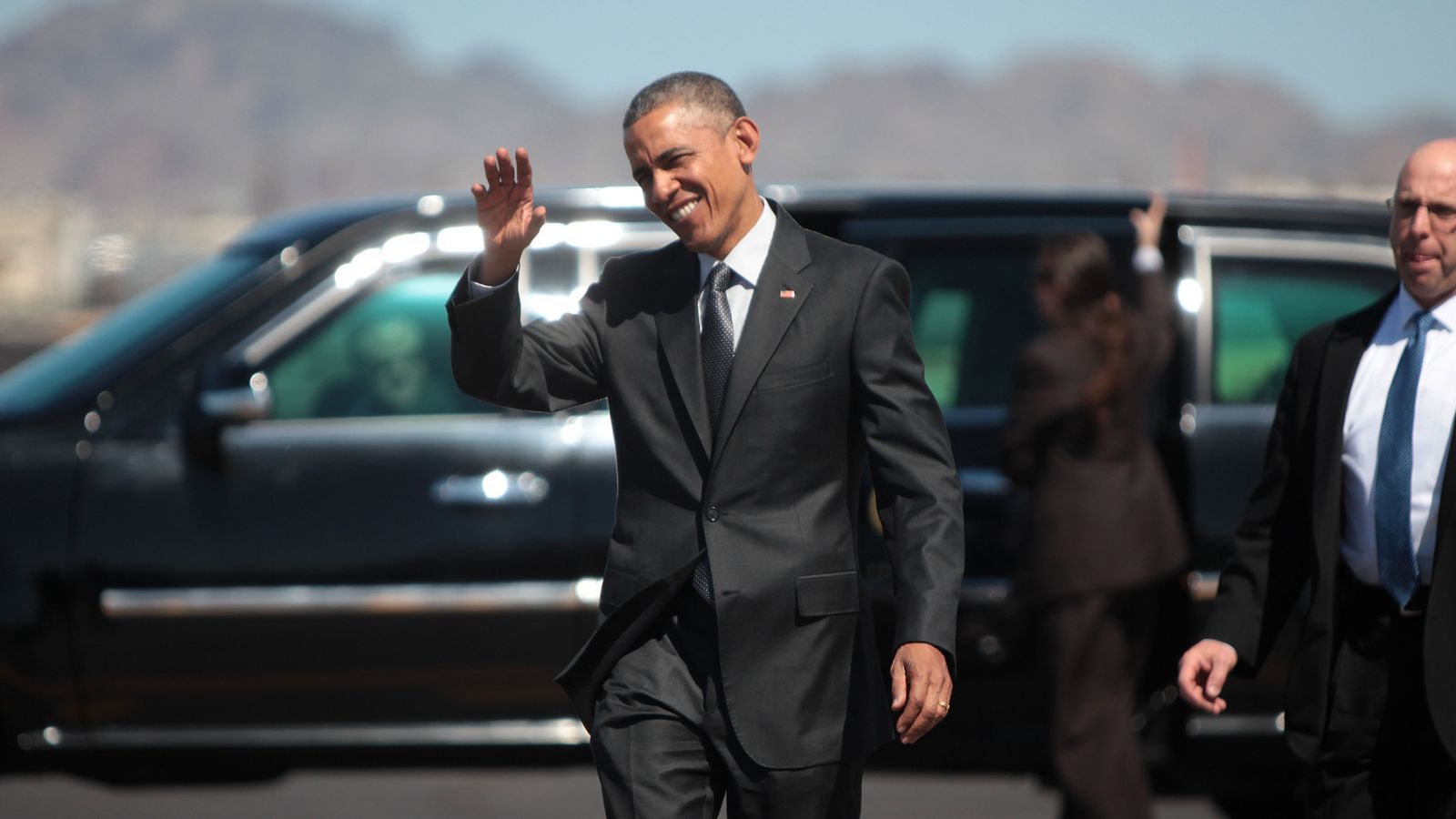
Obama’s most memorable line arrived as he described the White House renovations under Donald J. Trump. “He’s got the White House looking like Saddam Hussein opened a Cheesecake Factory. Just gold everywhere,” he declared, prompting laughter and applause. The comparison invoked the image of a tyrant’s ostentatious venture, suggesting that the president’s penchant for lavish décor had turned the nation’s most symbolic residence into a gaudy commercial showcase. By invoking Saddam Hussein—a figure synonymous with authoritarian excess—Obama framed the renovations as not merely aesthetic missteps but as emblematic of a broader disregard for restraint.

OBAMA: He's got the White House looking like Saddam Hussein opened a Cheesecake Factory. It's gold everywhere. https://t.co/PhnamSY0Qy
The former president did not stop at décor. He accused Trump of “never seen a president so intent on selling favors like this” and of “never seen a president excel in straight‑up grifting, on your dime, like this.” These remarks positioned the renovations within a larger narrative of alleged corruption, suggesting that the president’s personal taste was funded by the public while he simultaneously leveraged the office to dispense favors. The language painted a picture of a leader more interested in personal enrichment than public service, a theme that resonated throughout the rally’s rhetoric.
Within the same speech, Obama endorsed Democratic candidates for key state positions, emphasizing the importance of grassroots mobilization and high voter turnout.
Turning to the upcoming election, Obama framed the November 3 vote as a “circuit breaker” that could “bring some accountability to this government.” He urged voters to “flip that circuit breaker,” implying that the election offered a decisive opportunity to halt what he described as “foolishness” in the Trump administration. By casting the vote as a switch that could interrupt a damaging current, Obama emphasized the urgency of high voter turnout and grassroots mobilization, underscoring the democratic stakes of the midterm contests.

oh boy -- Natalie must've showed Trump clips from Obama's speeches https://t.co/XjwrLCaBJc
Within the same speech, Obama endorsed Democratic candidates for key state positions, emphasizing the importance of grassroots mobilization and high voter turnout. His remarks underscored the stakes of the upcoming election and the need for widespread participation, aligning with the broader call to treat the vote as a circuit breaker for accountability.
Beyond the White House critique, Obama touched on several policy fronts. He criticized Trump’s economic policies, suggesting they contributed to rising costs, and referenced a controversial gubernatorial advertisement that had sparked debate. While maintaining a neutral stance on Iran, he noted the administration’s actions as “directly responsible for rising costs,” tying fiscal concerns to the broader critique of governance. These points illustrated how the former president wove specific policy grievances into his larger indictment of the Trump administration.

Obama in Ohio today! Holy crap! Trump doesn’t get this reception. Democrats are fired up!! https://t.co/nISeXkWyeg
The crowd’s reaction—laughter followed by applause—signaled that Obama’s blend of satire and substantive critique struck a chord. His rhetorical flourishes, from the “Saddam Hussein Cheesecake Factory” metaphor to the “circuit breaker” call to action, transformed a routine campaign rally into a moment of pointed political theater. The audience’s response reinforced the effectiveness of humor as a vehicle for serious political messaging, especially when aimed at a president whose actions were portrayed as both extravagant and self‑serving.

As the October 25 rally concluded, the Democratic message in Ohio coalesced around three pillars: exposing what Obama framed as Trump’s excesses, urging voters to treat the November 3 election as a decisive “circuit breaker,” and rallying behind candidates who could help restore accountability. The vivid imagery of a gold‑clad White House and the stark warnings about grifting and favor‑selling set the tone for the final stretch of the campaign, leaving voters with a clear, if flamboyant, picture of what the former president believed was at stake.