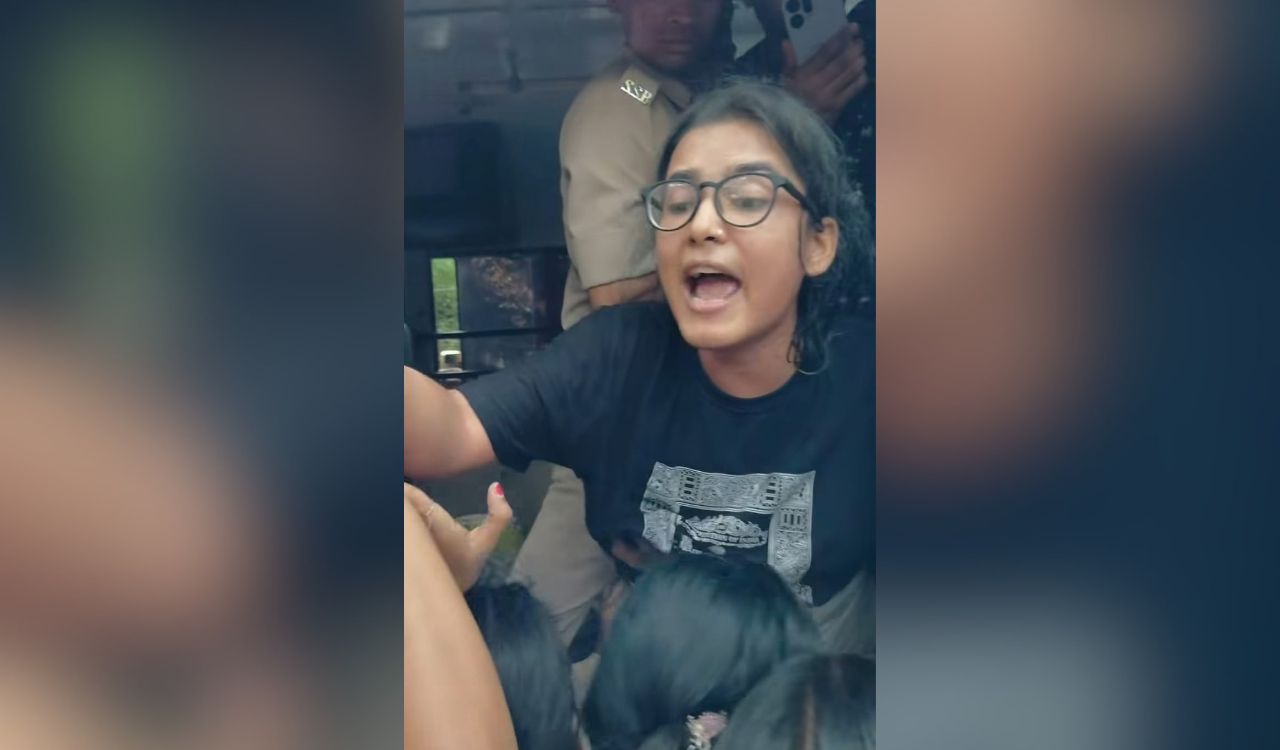
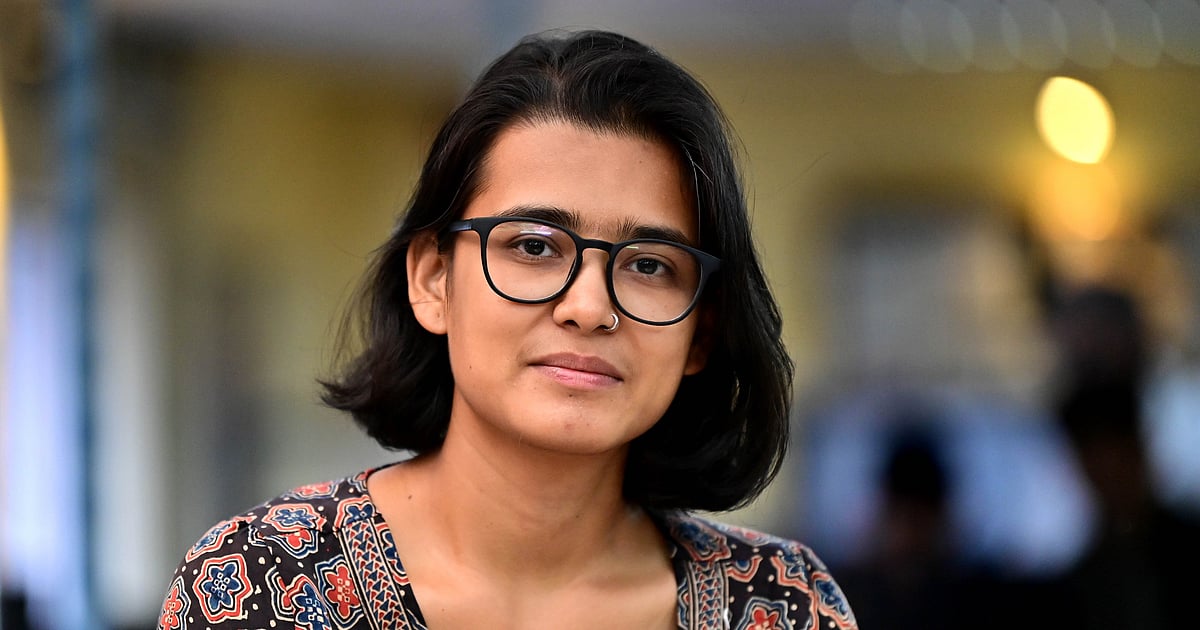
Neha Bora, a student leader and the president of the All India Students’ Association (AISA), has been at the forefront of student activism in Delhi. Her recent legal battle, however, has put her in the spotlight for reasons she would rather avoid. The incident set the stage for a legal challenge that would soon follow.
The detention of Bora was swift and unexpected. According to reports, she was apprehended by Delhi Police for alleged disruption of peace during a Dussehra rally. The police issued a notice under Section 126 of the Bharatiya Nagarik Suraksha Sanhita (BNSS), which allows for preventive arrest if there is a possibility of peace being disturbed. Bora was detained on October 17, 2026, and was held in custody for a brief period before being released later that day.
On October 19, 2026, Bora approached the Delhi High Court with a challenge to the police notice. The notice required her to appear before a Special Executive Magistrate (SEM) and execute a personal bond of ₹10,000 to maintain peace. Bora's legal team believes that the notice does not adequately disclose any likelihood of a breach of peace and is seeking an urgent hearing.
The Special Executive Magistrate (SEM) plays a crucial role in the execution of preventive detention orders.
The timing of Bora's legal challenge is significant. The Delhi High Court was closed for a vacation, but Bora's legal team is determined to secure an urgent hearing.
The Bharatiya Nagarik Suraksha Sanhita (BNSS) is a relatively new piece of legislation that aims to maintain public order and peace. Section 126 of the BNSS allows for preventive detention if there is a reasonable suspicion that peace might be disturbed. The law has been the subject of considerable debate, with critics arguing that it can be used to curtail free speech and suppress dissent.
The Special Executive Magistrate (SEM) plays a crucial role in the execution of preventive detention orders. In Bora's case, the SEM issued the notice requiring her to sign a bond and maintain peace. The SEM's decision to issue such a notice, despite the lack of concrete evidence of a breach of peace, has raised questions about the fairness and transparency of the process.

A New Delhi magistrate has extended the detention of two CJP leaders by two days as activists and opposition parties protest alleged voter roll manipulation and demand the election commission chief’s resignation. #India https://t.co/8HW0toASiy
Bora's legal team is arguing that the notice does not provide sufficient clarity on the grounds for the preventive detention. They believe that the notice should have disclosed more information about the alleged breaches of public peace and tranquillity. The team is also questioning the necessity of the bond, arguing that it is a form of punishment rather than a preventive measure.
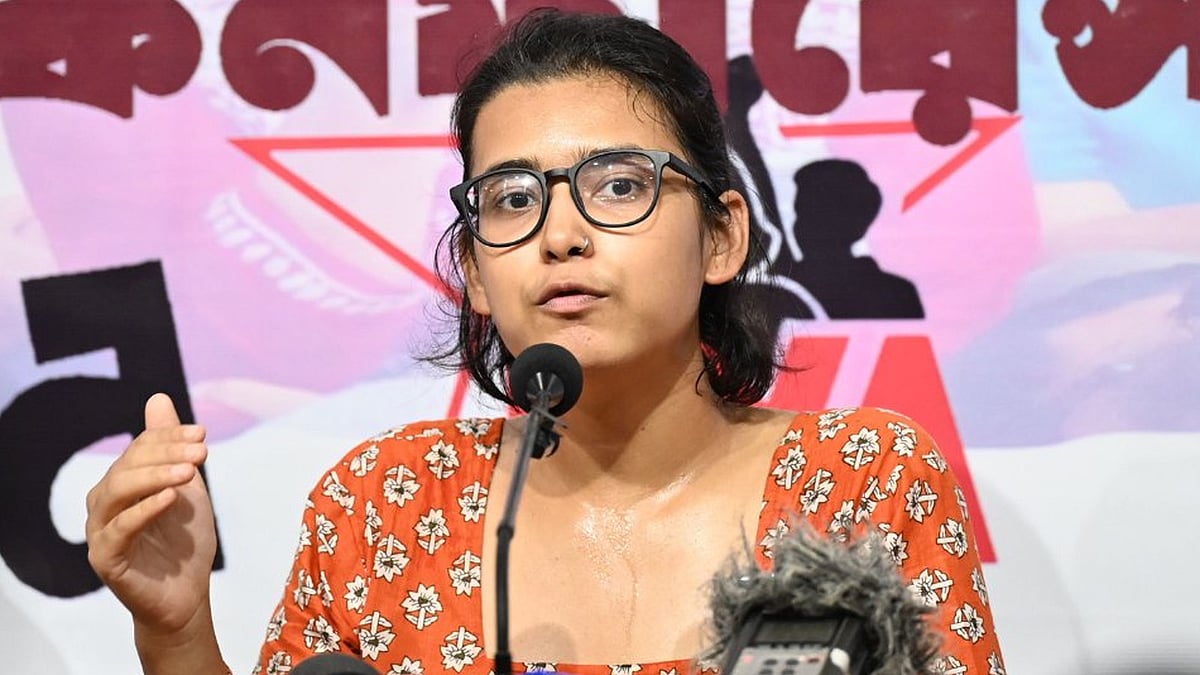
The case of Neha Bora is part of a larger debate around the use of preventive detention laws in India. The Delhi High Court's decision on Bora's case could have far-reaching consequences, setting a precedent for similar cases in the future. The court's ruling will be closely watched by civil liberties groups and student activists across the country.
As the legal battle unfolds, the case of Neha Bora serves as a reminder of the ongoing tensions between law enforcement and student activism in India. The Delhi High Court's decision on Bora's challenge will be a crucial moment in determining the balance between public order and the protection of civil liberties.