
On October 23, 2023, the quiet rhythm of life in the Paris suburbs of Trappes and La Verrière was shattered by the staccato rhythm of automatic gunfire. What began as an ordinary day in the region quickly descended into a scene of chaos and violence as a man opened fire in the street. The attack was not merely an act of random violence; it was a targeted strike that left one person dead and four others injured, including a child. Among the wounded, the situation remained dire, with three individuals fighting for their lives in critical condition.
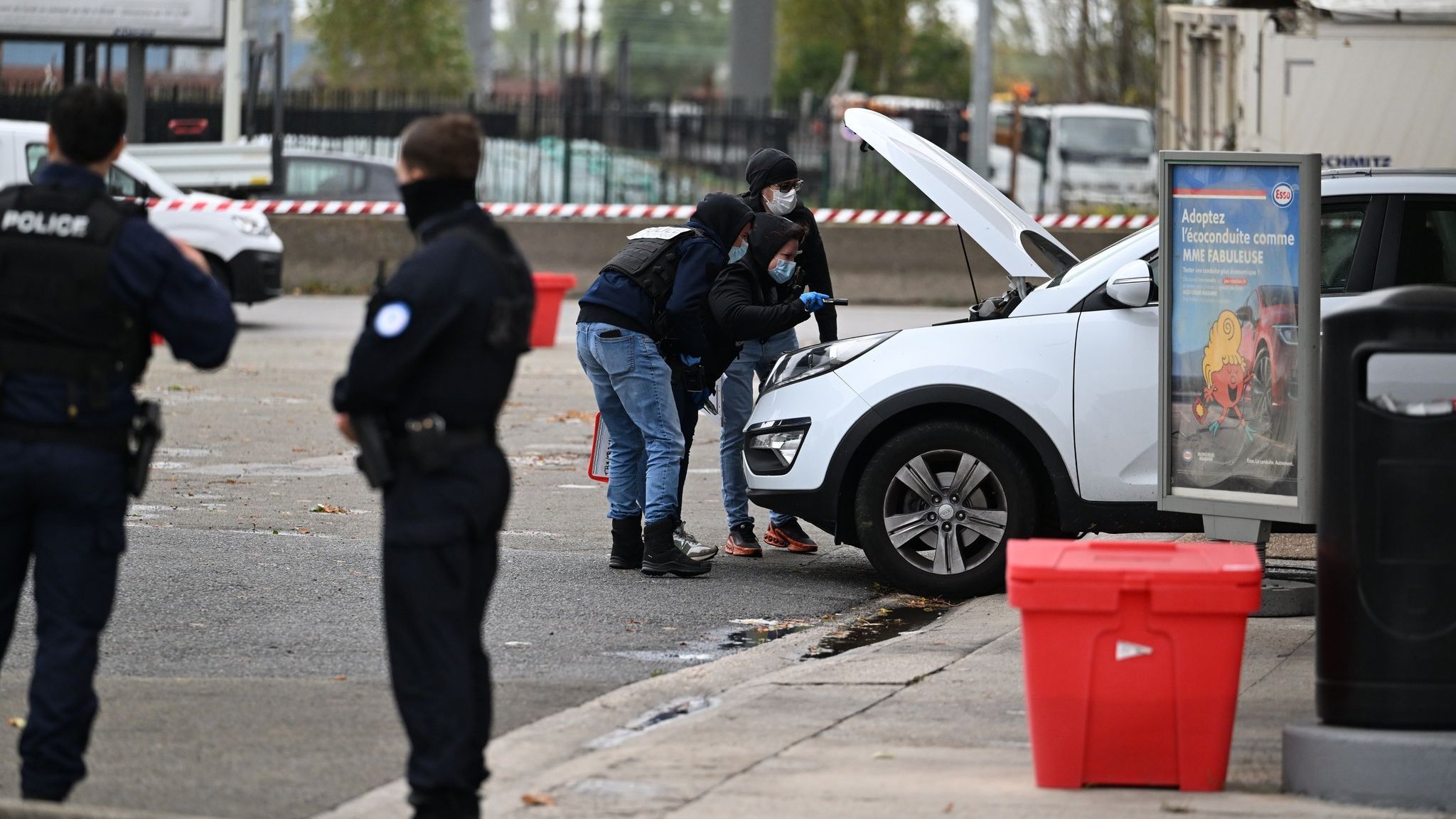
As investigators moved into the aftermath, the nature of the violence became clearer through the weapon used. The suspect employed a Sten submachine gun, a weapon dating back to the Second World War. The use of such an automatic weapon transformed a local tragedy into a national security crisis. The presence of an A-category weapon—a classification reserved for high-risk, automatic firearms—immediately elevated the severity of the crime, prompting an intensive response from the state.
Following the shooting, the focus shifted from the streets of Trappes to the surrounding areas as law enforcement scrambled to secure the region. The suspect did not remain at large for long, eventually being apprehended in Coignières. This arrest marked a turning point in the immediate crisis, allowing the National Anti-Terrorist Prosecutor's Office to take the lead in an investigation that is now looking deep into the suspect's motives and potential affiliations.
As the scale of the tragedy became apparent, the French government moved swiftly to categorize the event.
The investigation is not merely looking at the physical evidence of the shooting, but also at the digital trail left behind by the perpetrator. Authorities are examining the suspect's online presence, noting that in a similar incident in 2025, the individual had posted videos filled with racist and hate-filled rhetoric. This history suggests that the attack in Trappes may be part of a broader pattern of radicalization, leading investigators to focus on the suspect's possible association with a terrorist criminal organization.
As the scale of the tragedy became apparent, the French government moved swiftly to categorize the event. Minister of Interior Laurent Nuñez did not mince words, characterizing the violence as a clear-cut act of terror. "It is clearly a terrorist crime, it is an extremely serious act," Nuñez stated, signaling that the state views this not as a localized crime, but as an assault on the Republic itself. The involvement of the National Anti-Terrorist Prosecutor's Office underscores the gravity of the classification.
The political response has been one of shock and unified condemnation. The French president and prime minister expressed their support for the security forces working to piece together the motive, which remains a central question for investigators. Minister Aurore Bergé joined the condemnation, framing the attack as a direct challenge to French values. She emphasized that the nation cannot stand by while such hatred takes root, stating that the Republic cannot tolerate even the slightest racist or discriminatory remarks.
While the high-level officials in Paris issued statements of solidarity, the local perspective from Trappes is one of visceral horror. The Mayor of Trappes described the terrifying nature of the event, suggesting that the shooter appeared to be firing indiscriminately, driven by a desire to cause a massacre. For the residents of Trappes and La Verrière, the attack was not an abstract political event, but a sudden, terrifying intrusion of violence into their daily lives.
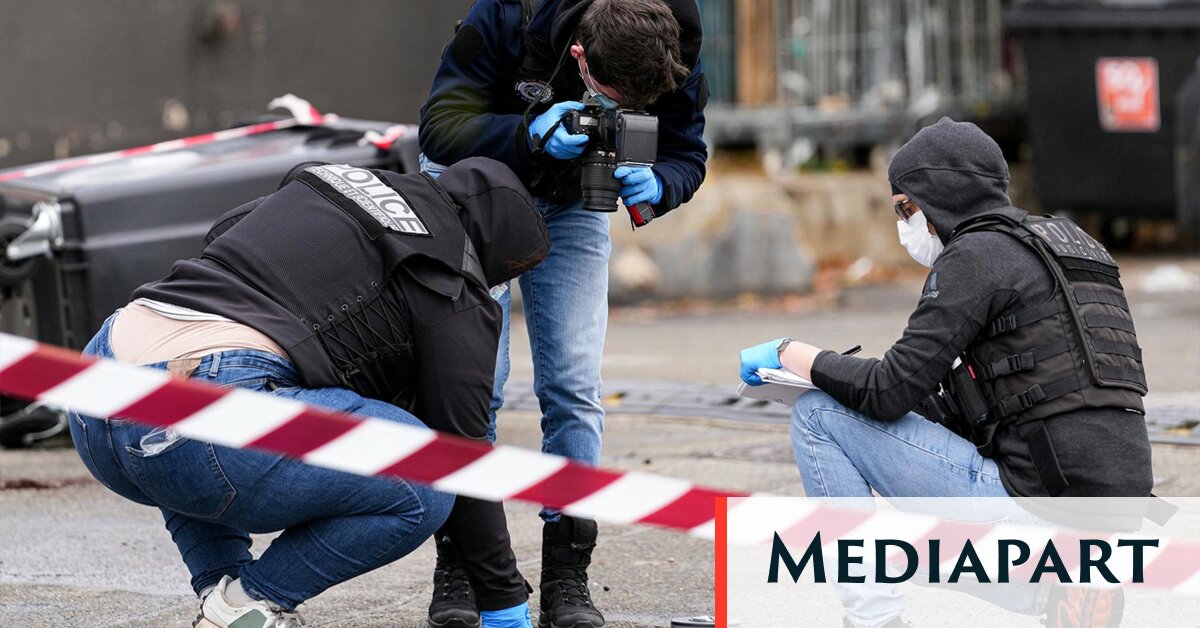
As it stands, the investigation remains in its most critical phase. While the suspect is in custody, the question of how a World War II-era submachine gun was obtained and how the suspect's extremist views translated into such a lethal act remains unanswered. The authorities continue to work through the evidence, navigating a case that sits at the intersection of criminal law, national security, and the rising tide of racial tension.