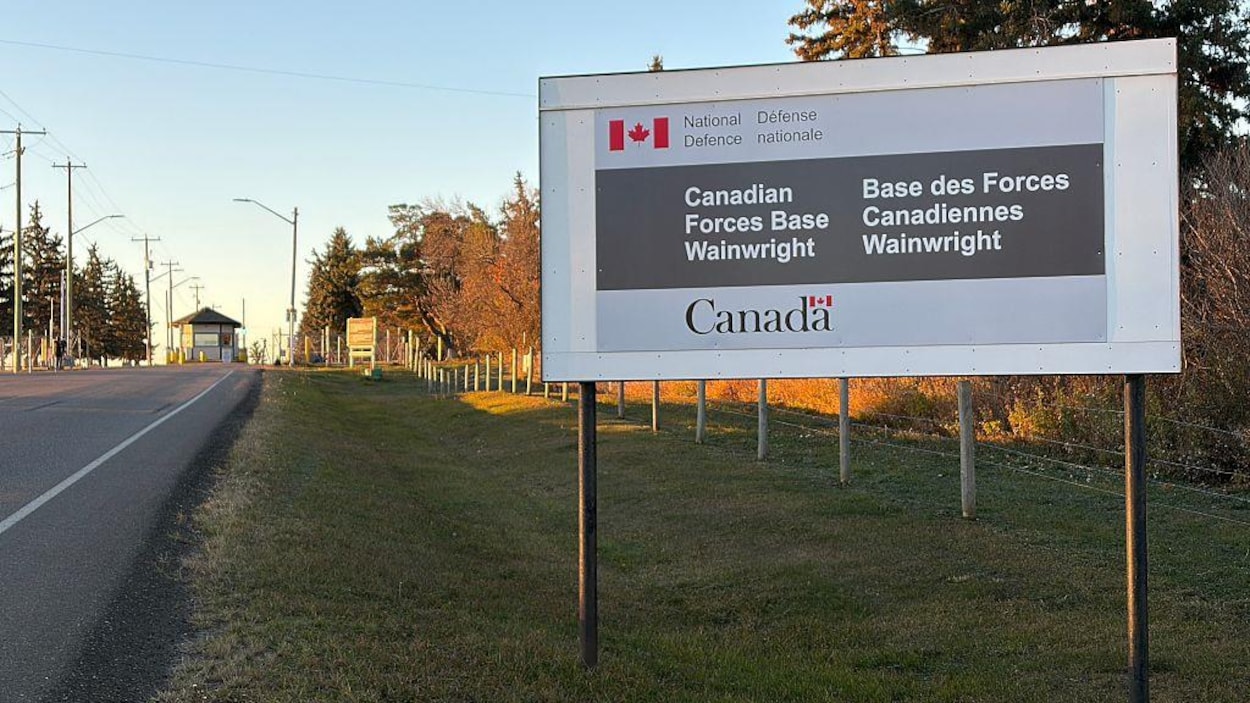
On a crisp October morning, the vast plains of Alberta echoed with the familiar sounds of military training. Company Charlie of the 3rd Battalion, Princess Patricia’s Canadian Light Infantry, was engaged in a live-fire exercise at Canadian Forces Base Wainwright, a sprawling installation known for its rigorous drills. The soldiers, split into groups across the training area, were practicing grenade range attacks—a routine part of their preparation for deployment. But what began as a standard exercise would soon descend into one of the deadliest peacetime tragedies in Canada’s military history.
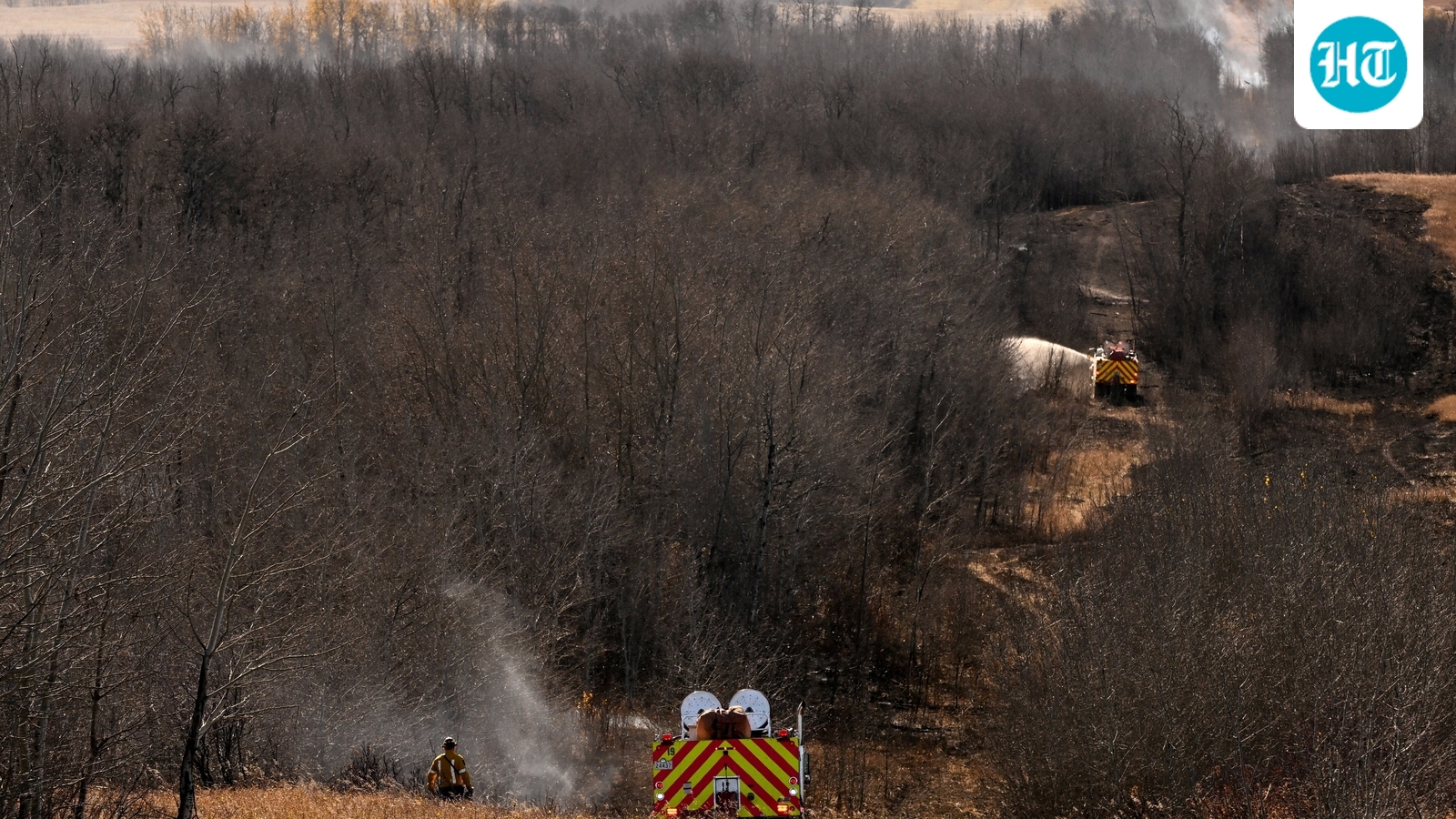
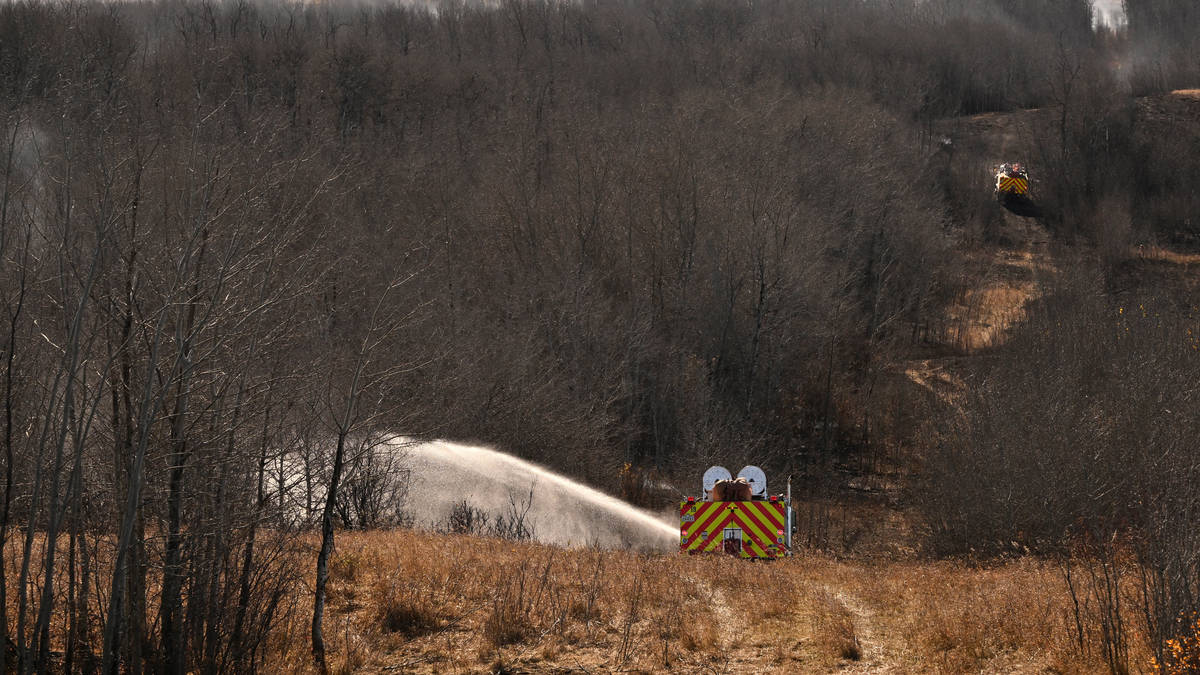
The day started like any other. Eighty-four soldiers were divided between training areas, their focus on honing their skills. A kilometer away, a grass fire had been smoldering for hours. Military officials, aware of the fire, deemed it contained and safe enough to continue the exercise. But nature had other plans.
At 96 kilometers per hour, strong winds swept across the prairie, suddenly shifting direction. Within 36 seconds, the fire transformed from a distant threat into an unstoppable inferno. 'The wind direction suddenly changed, and in just 36 seconds the fire engulfed the soldiers,' Major General Wade Rattland later explained. 'The wind's force spread the fire in moments, leaving no chance for soldiers to escape.'
Prime Minister Mark Carney called it 'one of the most devastating tragedies in the Canadian Armed Forces during peacetime.
The flames moved with terrifying speed, catching the soldiers off guard. Four young men—Sergeant Morgan Wong, Private Shane Farrell, Private Aidan Goulding, and Hayden Leachmark—were killed almost instantly. Thirty-nine others were injured, 19 of them critically. The survivors were rushed to nearby Alberta hospitals by ambulance, plane, and helicopter, their lives hanging in the balance.
The scale of the tragedy stunned the nation. Prime Minister Mark Carney called it 'one of the most devastating tragedies in the Canadian Armed Forces during peacetime.' He ordered national flags to be flown at half-mast, a solemn tribute to the fallen soldiers.
The news reverberated far beyond the base. In Edmonton, where many of the soldiers were stationed, families and friends grappled with the loss. Defence Secretary Wes Streeting offered his condolences, saying, 'My deepest condolences to all those mourning the Canadian Armed Forces personnel who tragically lost their lives at the base in Wainwright—and with those who have suffered injuries during this terrible incident.'
David Reed, a local community leader, echoed the sentiment: 'My thoughts and prayers are with the four members of the Canadian Armed Forces who have tragically lost their lives, and with their families, friends, and fellow service personnel at this incredibly difficult time.'
As the nation mourned, questions arose about how such a tragedy could have occurred. Military officials had known about the fire for hours but believed it was sufficiently contained. The sudden wind shift, however, proved catastrophic. 'That is not normal for a fire to move a kilometer in 36 seconds,' Maj. Gen. Wade Rutland noted, underscoring the unprecedented nature of the event.
A joint investigation by the military and the Royal Canadian Mounted Police was immediately launched to determine the cause of the fire and whether safety protocols had been followed.
The tragedy at CFB Wainwright has left an indelible mark on Canada’s military community. For Prime Minister Carney, it was a stark reminder of the risks faced by those who serve, even in peacetime. 'This event is one of the worst peacetime tragedies for Canada’s military on domestic soil,' he said, his words echoing the grief of a nation.
As flags fly at half-mast and families mourn their loved ones, the incident serves as a somber reminder of the fragility of life and the unpredictable forces of nature. The investigation may provide answers, but the scars of that fateful day will linger, a testament to the sacrifices made by those who serve.