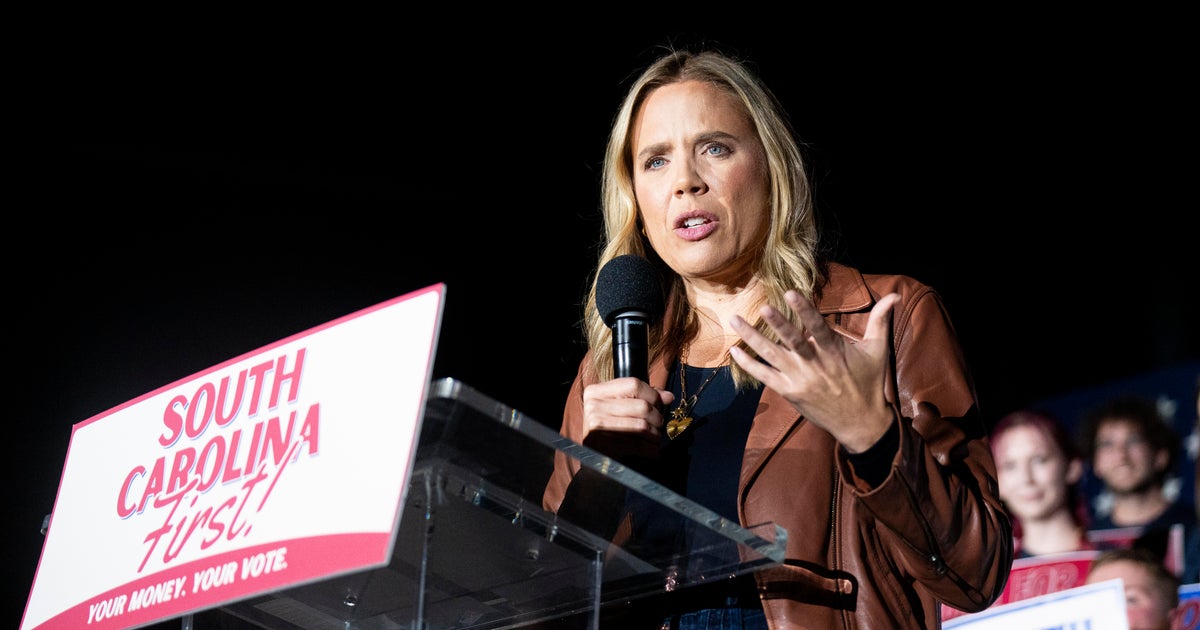
For decades, South Carolina has been reliably Republican. The state hasn’t sent a Democrat to the Senate since 1998, a fact that made Annie Andrews’ victory all the more remarkable. Andrews, a pediatrician with no prior political experience, entered the race as a decided underdog against appointed Republican Senator Darline Graham. The six-year Senate term was seen as safely in the hands of the GOP, but a confluence of factors – including voter frustration with the rising cost of living and a strategic campaign focused on healthcare affordability – would rewrite that expectation.

Andrews ran as an outsider, a deliberate contrast to the established political order. She wasn’t a career politician, and her campaign leaned heavily into that identity. While Graham focused on traditional conservative issues, Andrews centered her messaging on the everyday concerns of South Carolinians: access to affordable healthcare and the pressures of a stagnant economy. This approach resonated with a segment of the electorate feeling overlooked by the state’s traditional power structure. She raised $4 million for her campaign, and spent $4.6 million, while outside groups contributed $13 million to the race.
As the election neared, the stakes became increasingly clear. Recognizing the potential for an upset, former President Donald Trump threw his weight behind Graham, holding a campaign rally for her in Upstate South Carolina on October 21st, 2026. Trump praised Graham, stating, “She’s smart and incredible. She’ll never let you down.” The endorsement was a last-ditch effort to shore up support among the state’s conservative base, but it ultimately proved insufficient.
As the night progressed, it became clear that Andrews was not only competitive but poised to win.
Graham, herself, attempted to connect with working-class voters, acknowledging the financial struggles many families face. “I know how it feels to live paycheck to paycheck,” she said during a campaign stop. However, Andrews’ focus on healthcare and affordability appeared to strike a deeper chord with voters. The outcome reflected a clear shift in voter sentiment, a willingness to consider a candidate who prioritized economic concerns over strict party loyalty.
On November 4th, 2026, the results began to come in, and the initial numbers pointed to a surprisingly tight race. As the night progressed, it became clear that Andrews was not only competitive but poised to win. When the final tally was announced, Annie Andrews had defeated Darline Graham, securing the Senate seat for the Democrats. The victory marked the first Democratic win in a South Carolina Senate election in nearly three decades.
The reaction to Andrews’ win was swift and significant. Mally Smith, a local political analyst, captured the sentiment of many when she declared, “South Carolina bows to no king.” The result sent shockwaves through the Republican party and prompted a reassessment of their strategies in the state. It also raised questions about the enduring influence of Donald Trump, despite his continued popularity among a segment of the electorate.

President Trump tonight sounds almost exactly as he did in the aftermath of the GOP losses in 2018: he's congratulating Democrats, blaming individual Republican candidates and proposing working with Washington Democrats on issues where they agree.
As of today, Annie Andrews is preparing to take her seat in the US Senate. Her victory has undoubtedly altered the political landscape of South Carolina, and its implications are likely to be felt beyond the state’s borders. The election serves as a potent reminder that even in traditionally conservative strongholds, voters are increasingly responsive to candidates who address their economic anxieties and prioritize issues like healthcare affordability. The coming years will reveal whether this election represents a lasting shift in South Carolina’s political alignment or a temporary aberration.