On October 1, 2023, the Australian government introduced a new policy that has sparked debate and concern among asylum seekers and advocates. Effective immediately, asylum applicants appealing visa refusals must now pay a mandatory upfront fee of $1,863.50. The policy was disclosed only to legal services on the same day, catching many off guard.

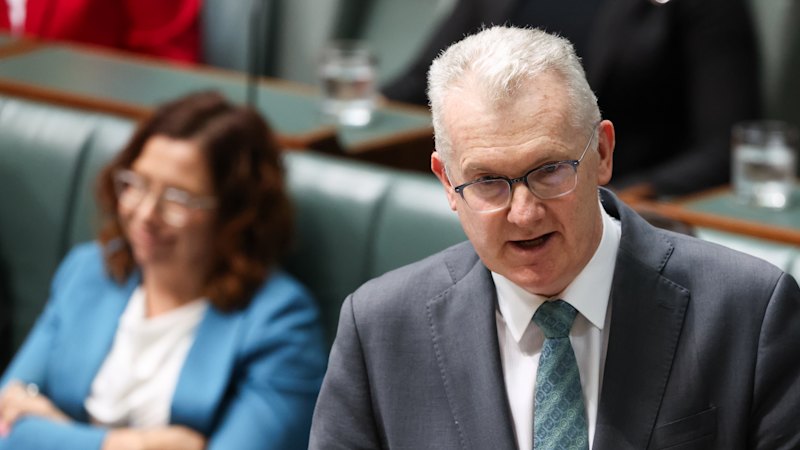
Home Affairs Minister Tony Burke justified the change, citing statistics that 85% of appeals are unsuccessful. 'Sadly, 85 percent of those who appeal the decision are found not to be owed protection obligations,' Burke stated. He also noted that historically, only 20% of appellants paid fees after their appeals failed. The new policy aims to shift the financial burden upfront, with the fee refundable only if the appeal succeeds.

Jillian Segal will bring down a Labor Govt. Her appointment, excessive power and influence have exposed how hollow and secretive @AlboMP Govt has become. Talk about an own goal. #auspol
The government's stated goal is to deter what they term 'dodgy claims.' By requiring the fee upfront, they hope to reduce the number of frivolous appeals clogging the system. With a backlog of 35,000 pending appeals in the Administrative Review Tribunal and 111,000 failed protection visa holders in Australia, the pressure on the system is immense.
The policy aims to address the backlog of pending appeals and failed protection visa holders in Australia.
The Asylum Seeker Resource Centre, a prominent critic, warns that the fee may penalize genuine refugees who are already facing significant financial hardship. 'This risks intimidating genuine refugees with less money in the bank,' they argue.
Consider the plight of an asylum seeker who has already been through the grueling process of applying for protection. They receive a refusal and decide to appeal, only to be met with a substantial upfront fee. The policy aims to address the backlog of pending appeals and failed protection visa holders in Australia.
The move comes amid growing political pressure on the Albanese government over 'visa overstayers.' The backlog of appeals and the increasing number of failed protection visa holders have become hot-button issues. The government's response reflects its stated aim of addressing these systemic pressures.
Tony Burke, the Home Affairs Minister, defends the policy robustly. 'That’s why we’ve had to switch the obligation so that payment happens at the start, we’ve lowered the fee, and anyone who does have a successful application will have the fee refunded in full,' he explains.

The Asylum Seeker Resource Centre remains unconvinced. They argue that the policy could have severe repercussions for those who are genuinely in need of protection. 'This risks intimidating genuine refugees with less money in the bank,' they reiterate, highlighting the potential for the policy to exacerbate the hardships faced by asylum seekers.
The new policy is part of a broader effort to manage the increasing number of asylum claims and reduce the backlog of appeals. With 85% of appeals historically unsuccessful, the government sees this as a necessary step to ensure the system is not overwhelmed by claims where protection obligations are not met.
As of now, the policy is in effect, and the debate continues. The government maintains that the upfront fee is a necessary measure to deter 'dodgy claims' and streamline the appeals process. Critics, however, warn of the potential for the policy to penalize genuine refugees and exacerbate their financial hardships. The future of the policy remains to be seen, but one thing is clear: the stakes are high, and the consequences could be significant.