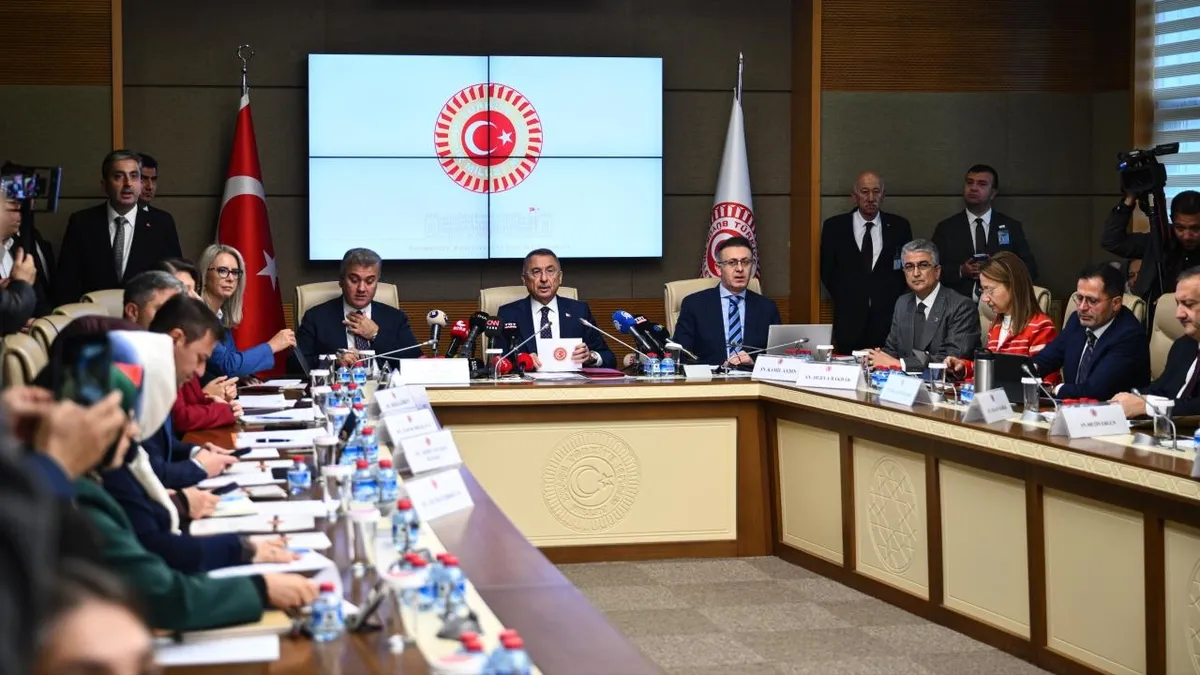
On 7 August 2026, envoys from the Republic of Turkey, the Islamic Republic of Pakistan and the Kingdom of Saudi Arabia gathered in Mecca and signed what would be called the Mecca Defense Alliance Agreement. The sixteen‑clause document pledged joint defense coordination and signaled a collective resolve to address long‑standing instability in the Middle East.
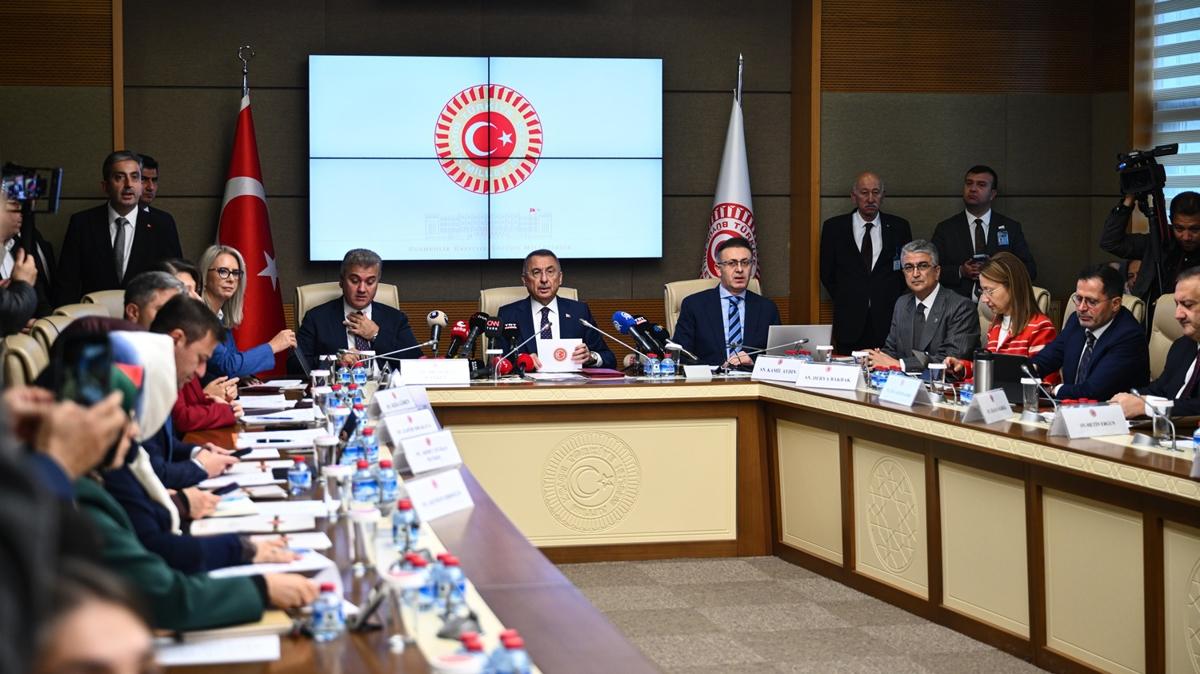
The agreement’s fate hinged on the Grand National Assembly’s Foreign Affairs Committee, where deputies grilled officials about its implications. Committee chairman Fuat Oktay opened the session by situating the accord within a broader wave of “regional stewardship” that governments across the Middle East have lately embraced. Deputies from AK Party, MHP and CHP voiced support, arguing that the pact would bolster Turkey’s strategic depth and provide a counter‑balance to rising pressures. In contrast, Yeni Party, İYİ Party and DEM Party voted against, expressing concern that the deal could entangle Turkey in proxy dynamics without clear safeguards.
On 27 October 2026 the committee voted, and the bill proposing approval of the Mecca Agreement cleared the Foreign Affairs Committee. Deputy Minister of Foreign Affairs and Ambassador Levent Gümrükçü fielded MPs’ questions, stressing that the government’s aim was not to provoke but to “articulate a vision that unifies rather than divides.” His tone was deliberately neutral, reflecting the administration’s effort to portray the accord as a diplomatic rather than militaristic step.
Fuat Oktay, who chairs the TBMM Foreign Affairs Committee, offered three separate remarks during the proceedings.
The agreement was quickly described by committee chairman Oktay as a “concrete and extremely important step” toward strengthening regional peace.
Fuat Oktay, who chairs the TBMM Foreign Affairs Committee, offered three separate remarks during the proceedings. In his first statement he declared, “‘Türkiye Cumhuriyeti, Pakistan İslam Cumhuriyeti ve Suudi Arabistan Krallığı Arasında Ortak Savunma İçin Mekke Anlaşması’, bu bölgesel sahiplenme irademizin ve coğrafyamızda caydırıcılığı artırarak barışı tahkim etme kararlılığımızın somut ve son derece önemli bir adımını oluşturmaktadır.” Later he added, “Savaşın kazananı, adil bir barışın kaybedeni olmaz. Çevremizdeki tüm coğrafyalarda, ‘bölgesel sahiplenme’ ilkesiyle güvenliği ve refahı artırmayı hedefliyor; meselelere ayrıştırıcı değil, birleştirici bir vizyonla yaklaşıyoruz.” His third comment reiterated the same sentiment, underscoring the government’s determination to present the pact as a peace‑building rather than a war‑fueling measure.
The vote split along familiar lines. AK Party, MHP and CHP voted yes, while Yeni Party, İYİ Party and DEM Party voted no.
Members of the committee highlighted the broader technologic and geopolitical transformations underway, notably Iran’s heightened presence in the Hormuz Strait. The accord’s supporters argued that a unified front among Turkey, Pakistan and Saudi Arabia could help manage such regional flashpoints without resorting to unilateral escalation. Critics, however, warned that any defense partnership could be interpreted as taking sides in an already fraught sectarian contest.
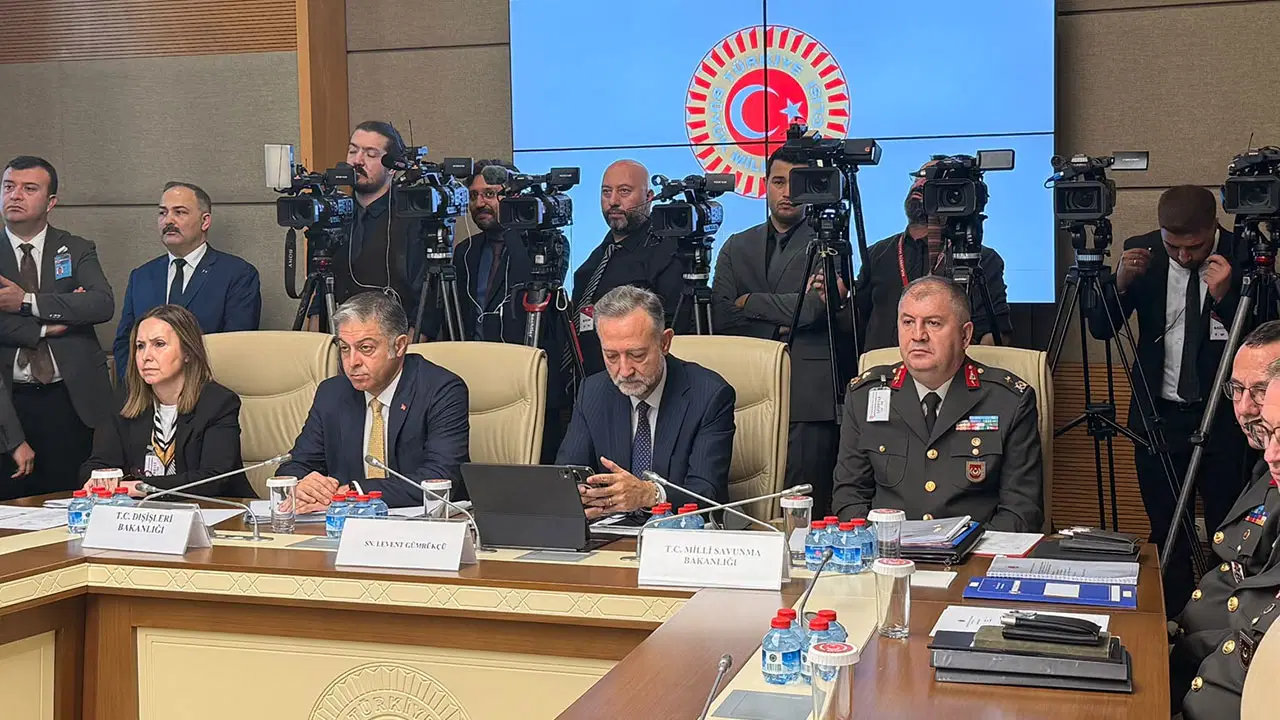
With the Foreign Affairs Committee’s endorsement, the Mecca Defense Alliance Agreement now moves toward formal ratification in the full Grand National Assembly. The government portrays the step as a measured effort to deepen trilateral coordination while preserving regional equilibrium. Whether the pact will translate into concrete joint maneuvers or remain a diplomatic gesture will depend on how quickly the three capitals translate the sixteen articles into practice – and how the wider Middle East reacts to a new triangle of defense cooperation emerging from the holy city of Mecca.