
On a recent day, a video surfaced online showing Kylian Mbappe with his face superimposed onto an image of Mao Zedong, the founding leader of the People's Republic of China. The video, which was intended to be a joke, quickly drew criticism from Chinese netizens, who saw the portrayal as disrespectful to a figure still enshrined in the nation's collective memory. In China, references to Mao are not merely historical footnotes; they are tightly bound to national identity and political legitimacy, and any perceived slight can trigger swift, coordinated responses.
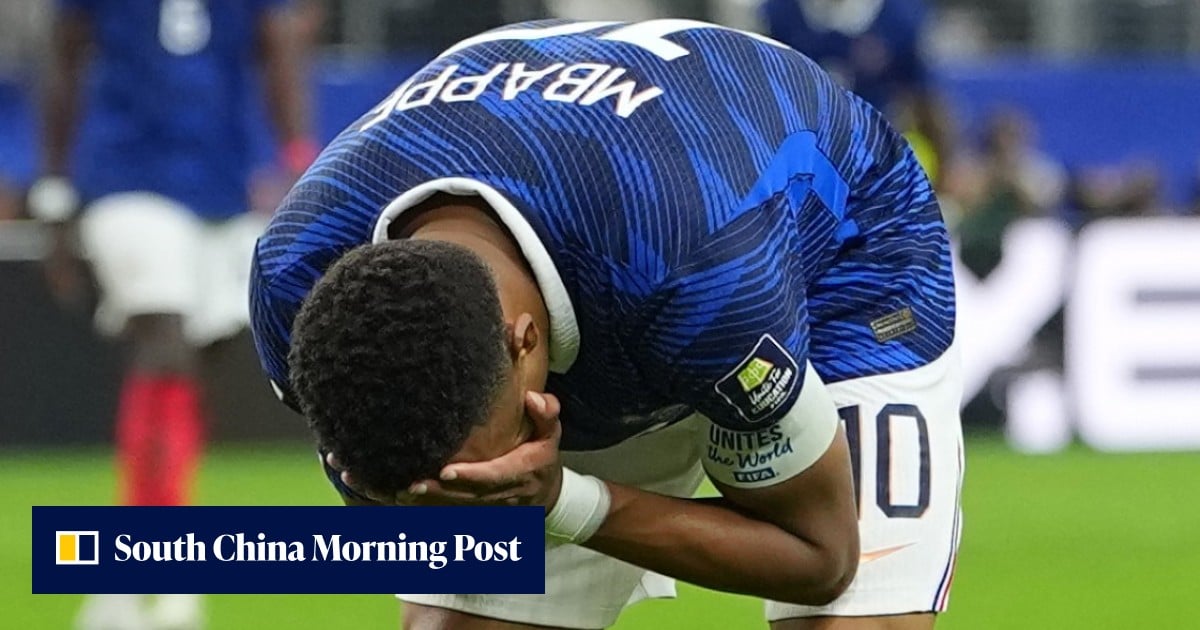
The video sparked a strong reaction on Weibo, China's premier micro-blogging platform. Users shared the video and expressed their disapproval, highlighting the sensitivity around historical figures in China. The incident quickly trended, reflecting the speed at which public sentiment can coalesce around perceived offenses to national symbols.

Kylian Mbappe forced to apologise for Mao Zedong joke after backlash in China https://t.co/CfyHbaxvNJ
In response to the backlash, two major Chinese brands, Dongpeng Beverage and Mengniu, terminated their partnerships with Mbappe. Mengniu stated, 'Our company firmly opposes and has a zero-tolerance policy towards any behavior that offends national sentiments.' Dongpeng Beverage echoed this stance, adding, 'Our company firmly opposes and has a zero-tolerance policy towards any words or actions that hurt the feelings of the Chinese people.'
The incident quickly trended, reflecting the speed at which public sentiment can coalesce around perceived offenses to national symbols.