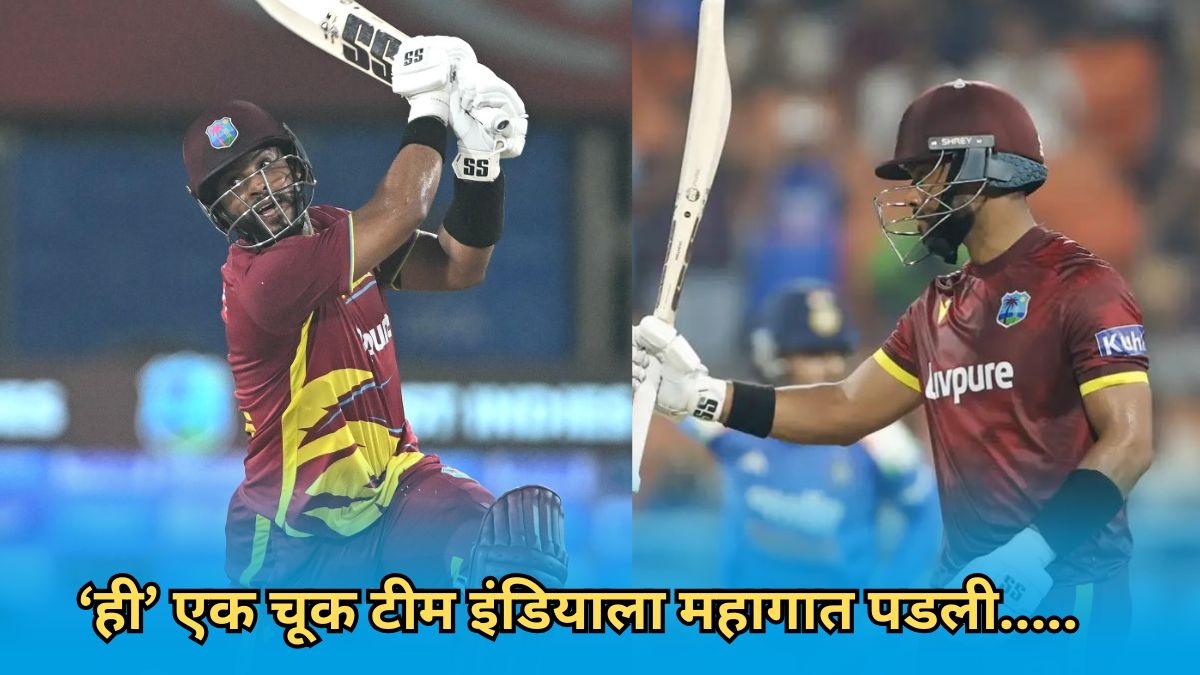
The five‑match T20I series between India and the West Indies had already seen one contest, and the second match, played on 9 October 2026, carried added weight.

When India batted first, they managed to compile 249 runs while losing six wickets. In the fast‑paced world of Twenty20 cricket, a score in the mid‑240s is considered competitive but not overwhelming; it leaves the chasing side with a realistic chance if they can build partnerships and keep the required run rate in check. The figure of 249/6 therefore represented a target that was demanding yet attainable, setting up a classic contest between bowlers trying to protect a modest total and batsmen aiming to overhaul it.
To win, the West Indies had to score 250 runs. In T20 terminology, chasing a target means the side batting second must reach or exceed the number set by the first innings before losing all ten wickets.
Hetmyer’s ability to find the boundary regularly and rotate the strike kept the scoreboard ticking and reduced the burden on his partner.
The opening overs of any chase are critical; losing wickets early can push the required run rate higher and force the remaining batsmen to take undue risks. Each wicket taken by India increased the pressure on the incoming batsmen, who had to balance aggression with the need to stay at the crease.
Amid the early pressure, Shai Hope and Shimron Hetmyer came together and added 120 runs for their partnership. In cricket, a partnership is the combined runs scored by two batsmen while they are at the crease together; a stand of this size in a T20 chase can dramatically shift the required run rate downward and relieve the pressure on the batting side. The 120‑run stand between Hope and Hetmyer not only steadied the innings but also began to bring the required run rate within comfortable reach.
During that partnership, Shimron Hetmyer unleashed a blistering 84 runs off just 37 balls. His innings featured a high strike rate, meaning he scored runs quickly, which is essential in a chase where every ball counts. Hetmyer’s ability to find the boundary regularly and rotate the strike kept the scoreboard ticking and reduced the burden on his partner. This burst of scoring was a key ingredient in turning a precarious chase into a commanding one.
While Hetmyer provided the fireworks, Shai Hope remained at the other end, finishing the innings not out. An unbeaten batsman in a successful chase often acts as the anchor, ensuring that the team does not lose wickets after a flurry of scoring and guiding the side home with composed shot selection. Hope’s steadiness allowed Hetmyer to play his natural game, and together they ensured the West Indies never lost sight of the target.
With the partnership flourishing and the required run rate dropping, the West Indies crossed the 250‑run mark while still having six wickets in hand. Winning by six wickets means the chasing side lost only four wickets (since ten minus six equals four) while achieving the target. This margin reflects a comfortable victory, indicating that the chase was never truly in doubt after the Hope‑Hetmyer partnership took hold.
The victory levelled the five‑match series at 1‑1. A levelled series heightens the significance of each forthcoming contest, as any further win would give a team a decisive edge.
Looking back, India’s total of 249/6 proved just shy of being enough to defend, while the West Indies’ chase demonstrated how a substantial partnership and a rapid burst of scoring can overturn a seemingly modest target. The match underscored the fine line in T20 cricket where a few overs of disciplined bowling or a couple of big hits can change the result.
With the series evenly poised, the next encounter will be pivotal. Each side knows that the momentum can swing quickly in the shortest format, and the lessons from this match—about building partnerships, managing run rates, and finishing chases—will shape their strategies. The contest remains open, and the battle for supremacy continues.