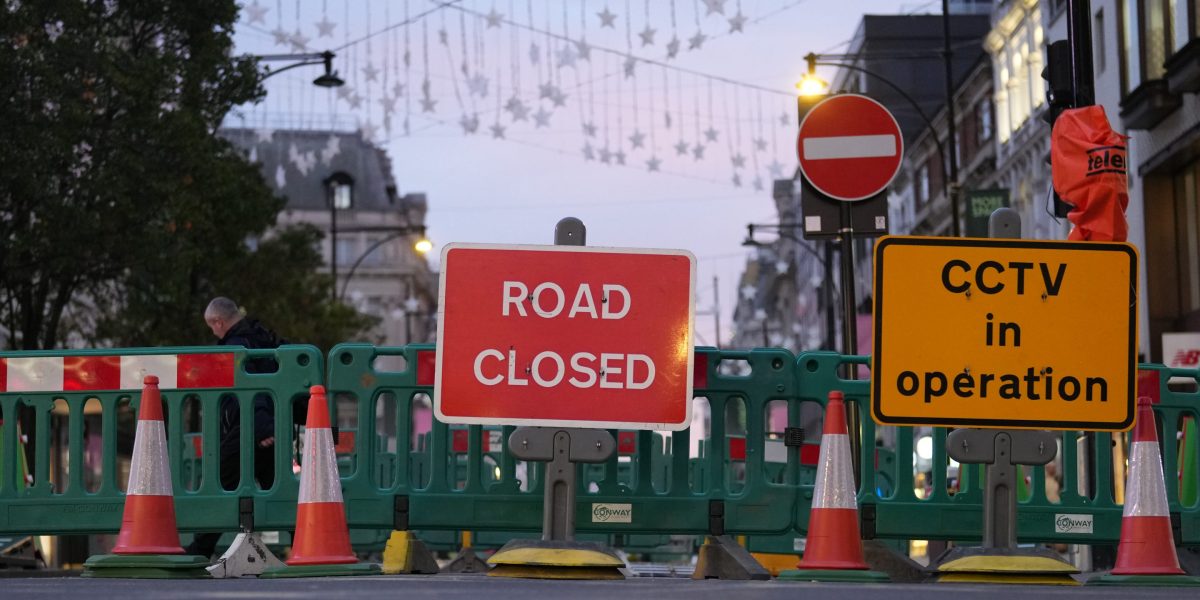
On a Monday in October 2026, one of the world's most famous shopping streets begins a new chapter. A 1-kilometer stretch of Oxford Street, a thoroughfare that has long defined London's retail landscape, undergoes a radical transformation as it becomes a pedestrian-only zone. This ambitious project, costing approximately 178 million euros, represents not just a redesign of a street but a fundamental reimagining of urban space in the 21st century.
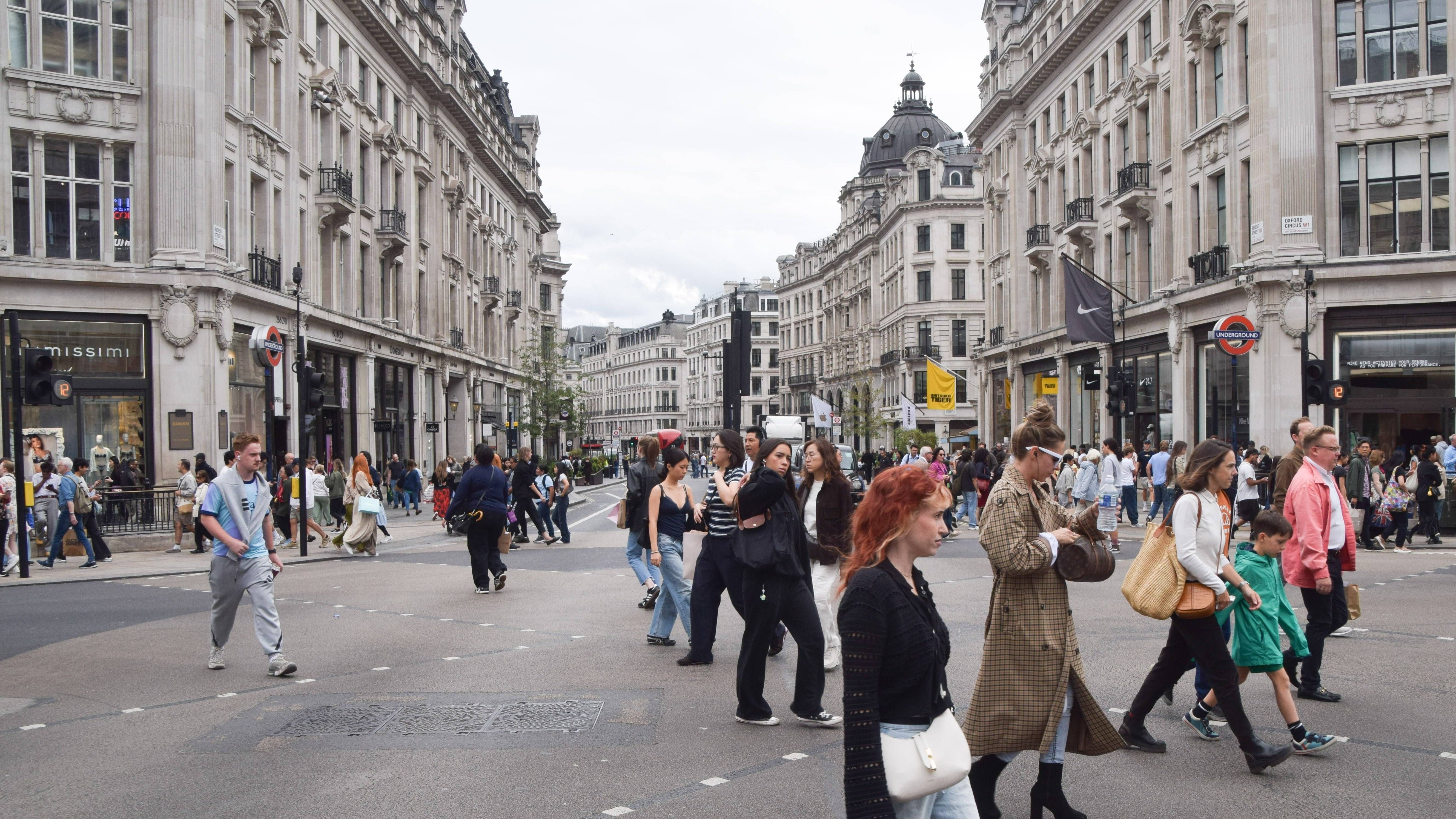
The section between Orchard Street and Great Portland Street will be closed to all motorized traffic—buses, taxis, private cars, as well as bicycles and scooters. This car-free zone encompasses a portion of Oxford Street that annually welcomes more than 300 million visitors and typically sees around 500,000 people pass through each day. The scale of pedestrian traffic makes this transformation both necessary and challenging, as city planners seek to accommodate the massive flow while creating a more pleasant environment.

Oxford Street goes traffic-free forever as Sadiq Khan hails landmark boost for London shopping. https://t.co/g6rDr2Th0E https://t.co/VbYYN58kEe
The pedestrianization project extends beyond simply removing vehicles. It includes the addition of new public squares and the planting of trees, fundamentally altering the character of this retail corridor. These elements aren't merely aesthetic; they represent a shift in how urban spaces are conceived—moving from corridors designed for movement to destinations designed for experience and experience. The transformation acknowledges that Oxford Street's value extends beyond commerce to its role as a social and cultural gathering place.
The pedestrian zone is expected to draw even more visitors, encouraging longer stays and increased spending.
The substantial investment—178 million euros—reflects both the complexity of the undertaking and the confidence in its economic benefits. The city's vision is clear: by creating a more attractive and accessible environment, Oxford Street can strengthen its position as a global shopping hub. The pedestrian zone is expected to draw even more visitors, encouraging longer stays and increased spending. This economic calculus represents a growing recognition that urban vitality and commercial success are increasingly linked to creating spaces that prioritize people over automobiles.
One of the most immediate benefits of the pedestrianization will be the reduction in air pollution. Oxford Street has long struggled with traffic congestion and poor air quality, issues that have impacted both the environment and public health. By removing vehicles from this busy section, the project aims to create a cleaner, healthier environment for the millions who visit each year. This environmental benefit aligns with broader sustainability goals while directly improving the quality of life for those who work, shop, and socialize along the street.
London Mayor Sadiq Khan has positioned the pedestrianization as a defining moment for the city. "This is a momentous day for London, a momentous day for Oxford Street," he declared. "It's a new era." The mayor's words capture the significance of the transformation—not just as a physical change but as a philosophical shift in how the city approaches its public spaces. The project represents a commitment to creating urban environments that prioritize human experience over vehicular movement.
The pedestrianization project aims to reduce air pollution and provide a safer shopping environment for the millions of annual visitors, reflecting London's commitment to creating more people-centered urban spaces.