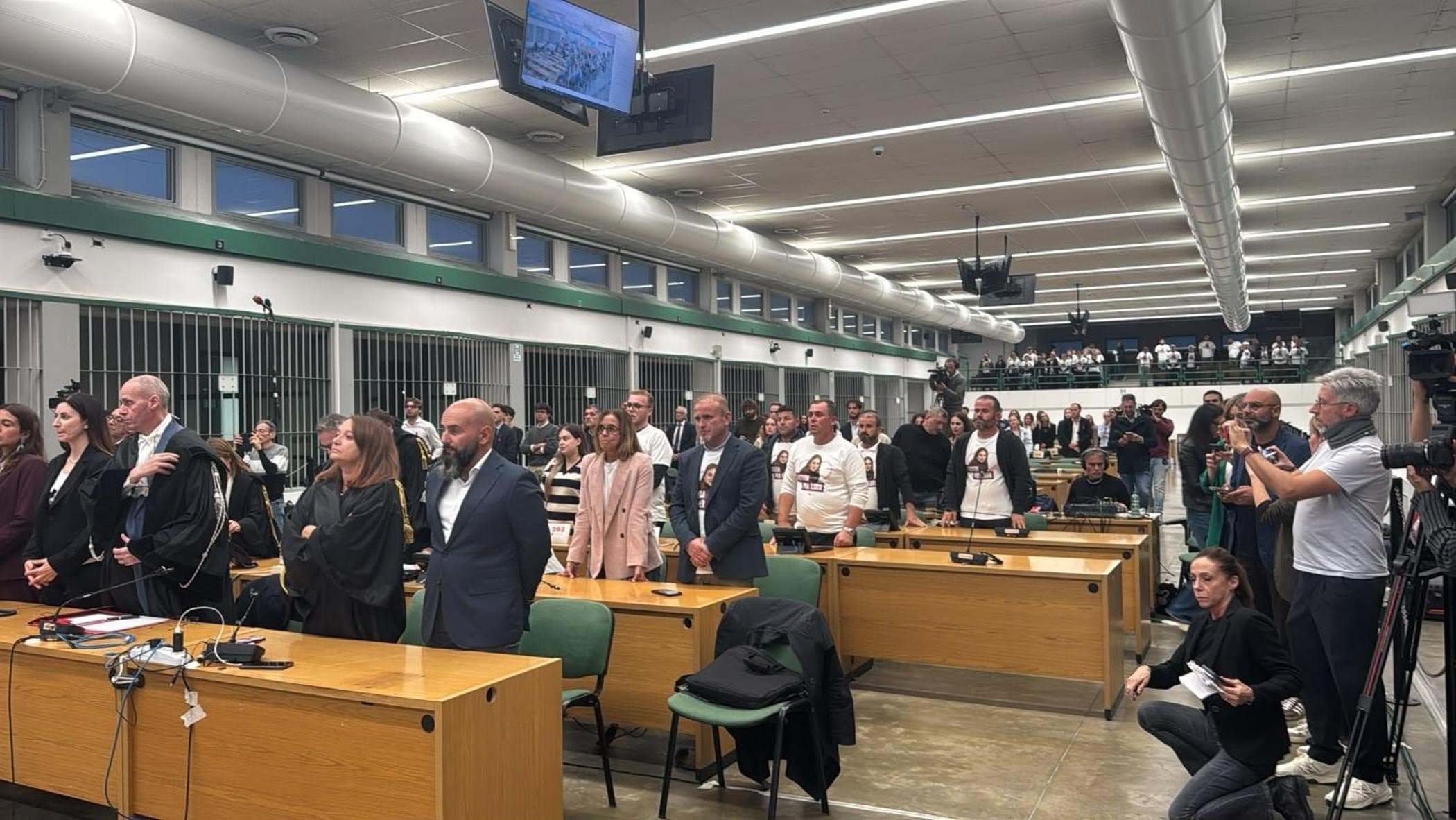
On the evening of March 25, 2025, the quiet hum of Rome’s African Quarter was shattered by a crime that would soon dominate headlines across the nation. Ilaria Sula, a young woman whose future was still being written, spent the night at the apartment of her former fiancé, Mark Antony Samson, a 24‑year‑old Italo‑Filipino architecture graduate. What should have been a routine visit turned fatal. According to court findings, Samson stabbed Sula three times in the throat, a brutal act that left her lifeless and set in motion a chain of events that would grip the public imagination.

The following week, on April 2, 2025, police uncovered a plastic bag containing Sula’s body in a location that investigators later linked to Samson’s residence. The discovery confirmed the worst fears of her family and launched a meticulous investigation.

Her name was Ilaria Sula, a 22-year-old Italian girl. She was brutally stabbed to death by her ex-boyfriend, Mark Samson, a Filipino man. He then hid her body inside a suitcase and threw it down a steep ravine. Samson confessed. His mother later admitted helping clean up the crime scene and received a plea deal for concealing the body. The trial is ongoing, prosecutors have asked for life imprisonment.
The case landed before the Rome Assize Court, where prosecutors framed the murder as aggravated homicide and concealment of a corpse. The charge of femicide—a legal term used in Italy to denote the killing of a woman because of her gender—underscored the broader societal implications. While the prosecution presented forensic evidence of the three stab wounds and the timeline of the crime, Samson’s defense struggled to counter the weight of his own admission.
Gezime Sula, Ilaria’s mother, implored the public, “Respect women, love them.
On October 27, 2026, the court rendered its judgment: Samson was sentenced to life imprisonment, the maximum penalty under Italian law for aggravated murder. The verdict was not merely a legal conclusion; it was a statement to a country grappling with a surge in gender‑based violence. The father of Ilaria Sula, speaking after the sentencing, expressed a bittersweet sense of closure, acknowledging the personal loss that would forever linger.

Mark Samson gets life for murdering ex Ilaria Sula. Italo-Filipino architecture graduate killed her in Rome in March 2025 #ANSA https://t.co/47GiKoNKu5
In the wake of the verdict, the Sula family emerged as vocal advocates for women’s safety. Gezime Sula, Ilaria’s mother, implored the public, “Respect women, love them.” Her plea was a reminder that the tragedy extended beyond a single household, touching the collective conscience of a nation still wrestling with femicide statistics.
Maria Perna, a close associate of the case, captured the coldness of Samson’s attitude: “Samson never repented for what he did because he kept thinking that Ilaria deserved that end.” This stark observation highlighted a disturbing mindset that many activists argue must be confronted if Italy is to curb similar crimes.
Flamur Sula, Ilaria’s father, offered a poignant reflection that resonated deeply with the public. “Justice has been done, but the real life sentence belongs to us, my wife and I. He is still breathing, my daughter is no longer breathing. This is an important moment for justice; I have always had faith in justice and I have not been abandoned.” In a later, more succinct remark, he added, “Justice has been done, but the life sentence is ours.” These words encapsulate the paradox of legal retribution versus the enduring grief of those left behind.

As Rome continues to process the ramifications of this case, the conversation around femicide remains urgent. The conviction of Mark Antony Samson serves as a legal landmark, yet it also underscores the persistent need for cultural change. The Sula family’s call for respect and love toward women reverberates as a reminder that justice, while essential, is only one facet of a broader societal healing process.