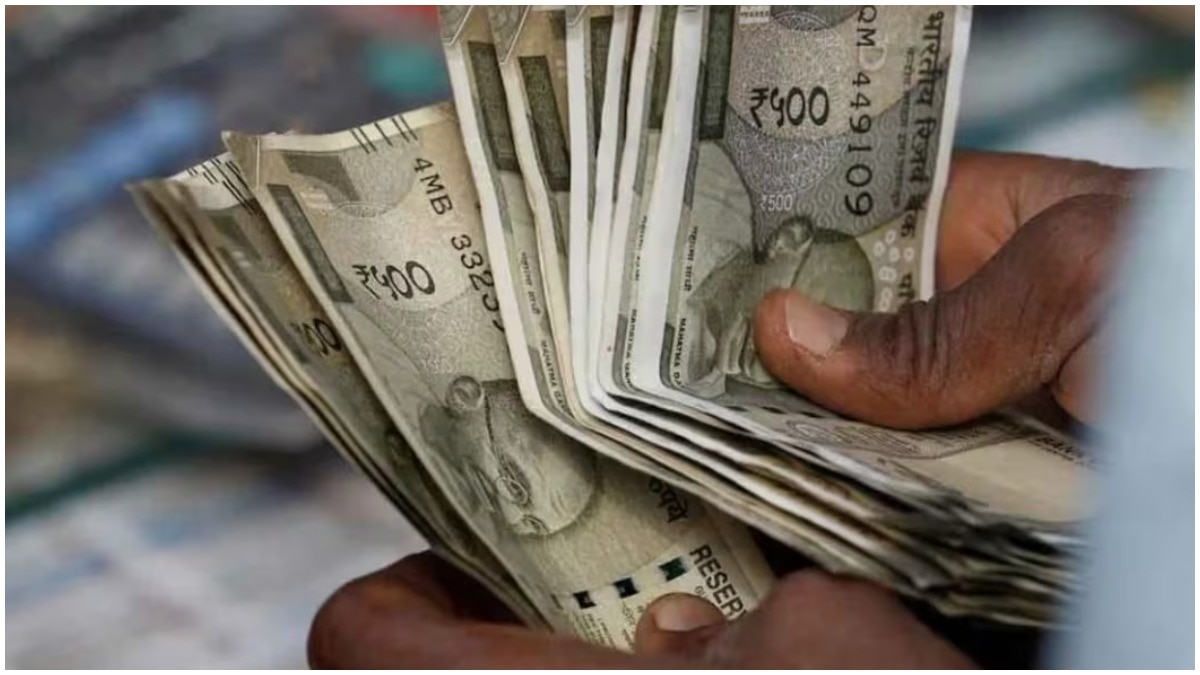
On October 28, 2026, the Union Cabinet, chaired by Prime Minister Narendra Modi, announced a 3-percentage-point increase in Dearness Allowance (DA) for central government employees and Dearness Relief (DR) for pensioners. The hike will raise the DA to 63 percent of basic pay, a figure that will ripple through the pay scales of 48.54 lakh employees and 68.71 lakh pensioners.

The financial impact is substantial: the central government will spend an additional ₹10,016 crore annually on the hike. In practical terms, employees with basic salaries ranging from ₹18,000 to ₹50,000 will see a monthly increment that reflects the 3-percent rise. The same increase applies to pensioners, ensuring that their fixed incomes keep pace. The decision also includes a provision for four months of arrears, to be paid alongside the October salary.
While the cabinet’s decision was made in October 2026, the hike is scheduled to become effective on July 1, 2026. This means that employees and pensioners will receive the new allowance retroactively from the start of the fiscal year, with arrears settled in the October pay cycle. The timing aligns with the fiscal calendar and allows the government to adjust budgetary allocations.
Central government employees are a critical component of India’s public administration, covering ministries, departments, and numerous agencies.
Central government employees are a critical component of India’s public administration, covering ministries, departments, and numerous agencies. The DA is a key part of their compensation, designed to offset the cost of living. A 3-percent increase translates into a tangible rise in monthly take-home pay for 48.54 lakh workers and 68.71 lakh pensioners.
The 8th Central Pay Commission is currently holding consultations on pay and pension matters. The cabinet’s decision to earmark ₹10,016 crore for this increase follows the established process for adjusting allowances for public servants.
The decision will be reflected in the upcoming fiscal budget, and analysts will watch how it affects overall deficit calculations.
The move underscores the government’s role in managing the compensation of those who serve the nation.
