
For those watching the pulse of the Turkish economy, the latest figures released by the Turkish Statistical Institute (TÜİK) on October 27, 2026, offer a sobering look at the state of the nation's workforce. As the calendar turned toward the end of the year, the data for September 2026 painted a picture of a labor market struggling to maintain its momentum. The headline number—an unemployment rate of 8.4 percent—marks a notable 0.5 percentage point increase compared to the previous month, signaling that the economic currents are becoming increasingly difficult for job seekers to navigate.
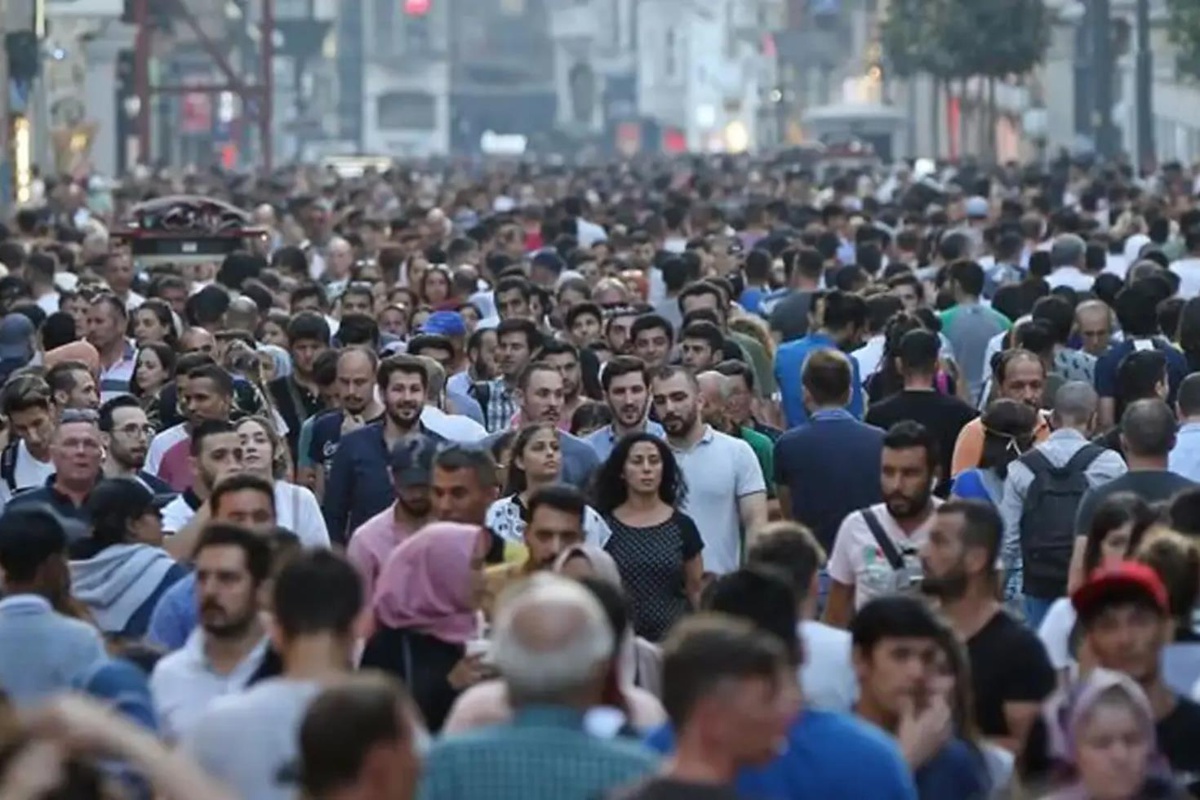
The human cost of this shift is reflected in the raw numbers. In September alone, the number of unemployed individuals aged 15 and older surged by 198,000, bringing the total count of those without work to 2,967,000. This increase is not merely a statistical fluctuation; it represents a tangible challenge for nearly two hundred thousand people who found themselves outside the workforce in a single month. As the ranks of the unemployed grew, the number of employed individuals simultaneously contracted, falling by 49,000 to reach 32,445,000. This dual movement—more people looking for work while fewer are holding it—is the primary engine driving the uptick in the unemployment rate.
When we peel back the layers of the aggregate data, the burden of this unemployment is not shared equally. The gender gap in the labor market remains a persistent feature of the landscape. According to the September estimates, the unemployment rate for men stood at 6.9 percent, while for women, it reached 11.3 percent. These figures highlight the distinct challenges women continue to face in securing and maintaining employment within the current economic climate.
These figures highlight the distinct challenges women continue to face in securing and maintaining employment within the current economic climate.
Perhaps most concerning is the trajectory of the youth labor market. For those aged 15 to 24, the situation is particularly acute. The youth unemployment rate climbed to 14.8 percent in September, a sharp increase of 1.6 percentage points over the previous month. This demographic, often the most vulnerable to economic volatility, is finding it increasingly difficult to gain a foothold in the professional world, a trend that carries long-term implications for the nation’s economic health.
Despite the rise in unemployment, the labor force itself is growing. The total labor force—which includes both the employed and those actively seeking work—expanded by 149,000 people in September, reaching a total of 35,412,000. This pushed the labor force participation rate up by 0.1 percentage points to 52.7 percent. This suggests that more people are entering the market, perhaps driven by economic necessity, even as the economy struggles to absorb them. At the same time, the intensity of work for those who are employed has shifted; the average weekly working hours, after seasonal adjustments, have reduced to 42.4 hours, and the seasonally adjusted employment rate has settled at 48.3 percent.
As the year draws to a close, these September statistics serve as a critical benchmark for policymakers and analysts alike. The Turkish Statistical Institute’s report, which also included revised seasonally adjusted figures for the 2024-2026 period, provides the necessary context to understand these recent movements. With the labor force participation rate rising and employment numbers tightening, the coming months will be a test of the economy's resilience. For now, the data confirms a period of transition, where the balance between job creation and the growing number of people entering the workforce remains firmly tilted toward uncertainty.