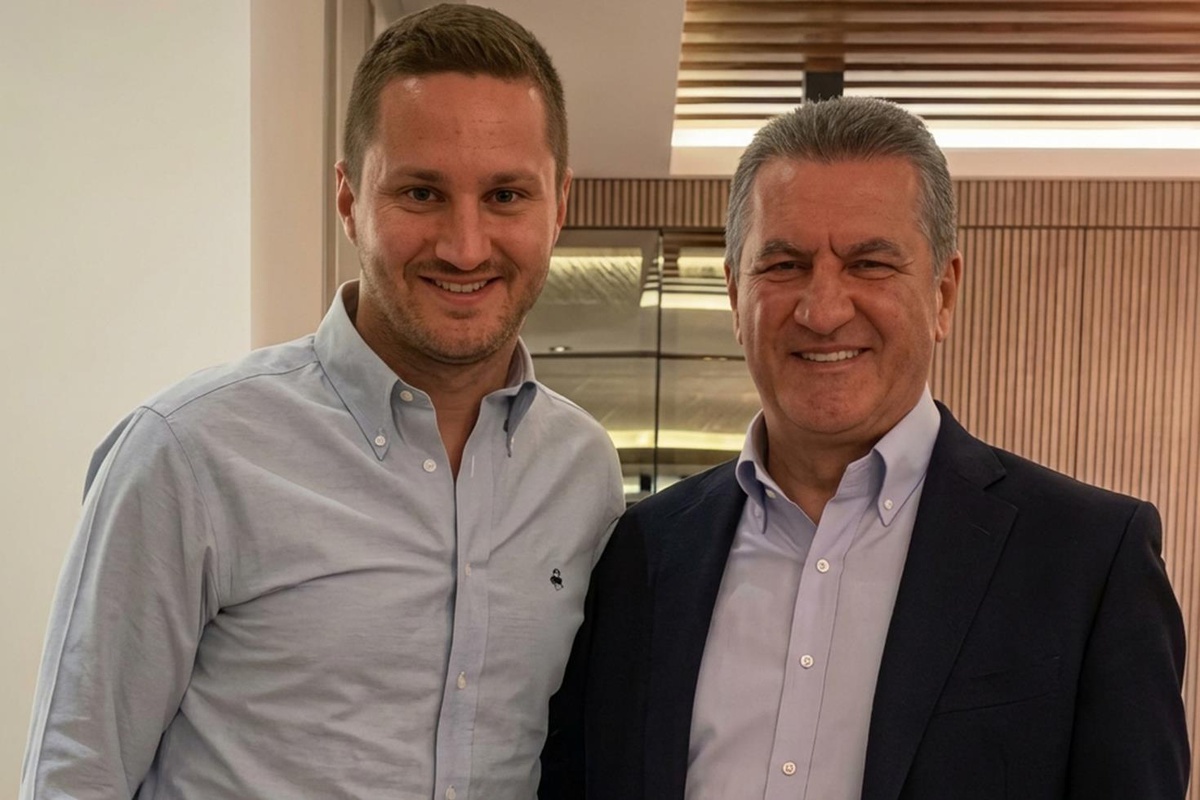
On October 19, 2026, the quiet rhythm of Istanbul was interrupted by a significant legal development that sent shockwaves through both political and media circles. Authorities launched a sweeping operation targeting an alleged money laundering ring, resulting in the detention of 15 suspects. By the time the dust settled on that day, the Istanbul Chief Public Prosecutor’s Office had confirmed that seven of these individuals were formally arrested and sent to prison, while two others were referred to the courthouse for further proceedings. Among those caught in the dragnet were Ömer Sarıgül, the son of Member of Parliament Mustafa Sarıgül, and the journalist Murat Ağırel.
At the heart of the investigation lies a labyrinthine network of domestic and international companies. Investigators are focusing on the activities of two German nationals, identified as K.P. and M.B., who are accused of orchestrating a sophisticated system to move vast sums of money across borders. The scale of the alleged transactions is staggering: authorities point to an 80 million euro contract, a 100 million euro wire transfer, and a promise involving a 1 billion euro loan. Additionally, the investigation has scrutinized a 1.5 million euro boat sale, suggesting that high-value assets were being used to facilitate the movement of funds.
The case began to take shape following complaints from individuals who claimed to have been defrauded. According to these testimonies, the funds in question were moved out of the country under the guise of legitimate investment contracts. However, the complainants allege that the money was never utilized for the purposes outlined in those agreements.
However, the complainants allege that the money was never utilized for the purposes outlined in those agreements.
As the investigation deepened, the narrative shifted from simple financial crime to allegations of coercion. Complainants reported that after they attempted to resolve their grievances by reaching out to journalist Murat Ağırel, they were met with threats. Specifically, they alleged that Abdurrahman Emir Sarıgül had intimidated them in an effort to silence their pursuit of the truth. This layer of the investigation has added a volatile dimension to the case, suggesting that the suspects were willing to use more than just financial engineering to protect their operations.
The list of those detained reflects the breadth of the investigation. Alongside Ömer Sarıgül and Murat Ağırel, the operation ensnared figures such as Aylin Kotil, Volkan Aslanbaş, and Cavidan Tanrah Artuner. While the investigation into the broader network continues, the legal proceedings against Mustafa Sarıgül are being handled separately by the Ankara Chief Public Prosecutor’s Office. The involvement of such high-profile individuals has turned this into a focal point for public discourse, raising questions about the intersection of political influence, media, and the shadowy world of international finance.
As of October 19, 2026, the legal process is in full swing. The 15 suspects remain under intense scrutiny as authorities work to untangle the complex web of transactions that spanned borders and industries. For now, the investigation serves as a stark reminder of the challenges inherent in tracking "black money"—a term used to describe funds obtained through illegal activities that must be laundered to enter the legitimate economy. With the case moving through the courts, the public is left to watch as the details of this massive financial puzzle are slowly brought to light.