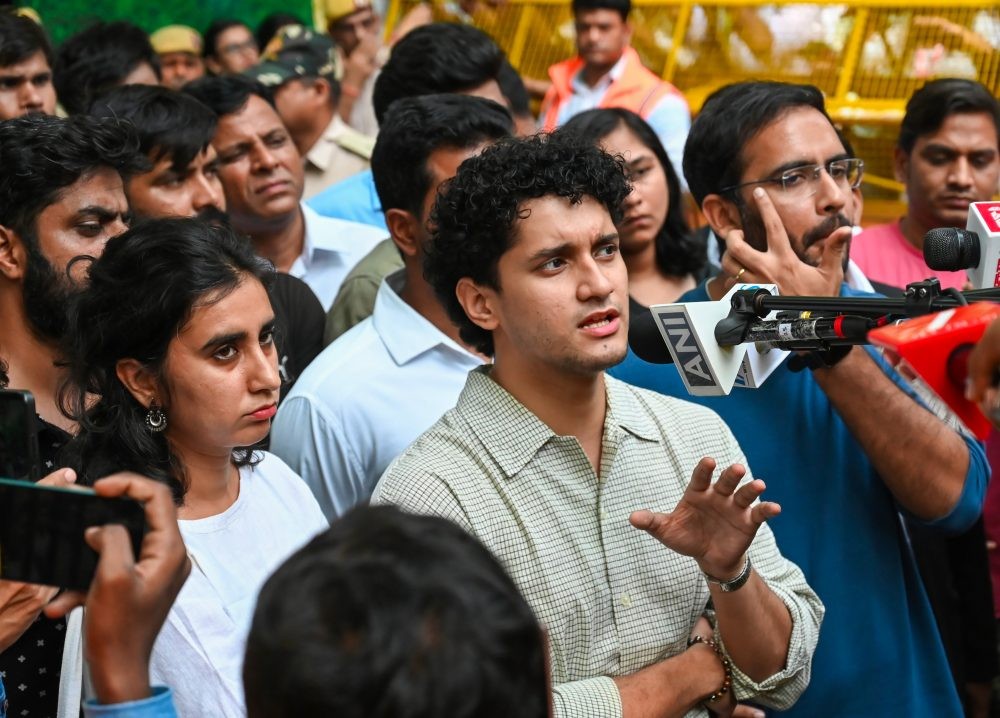
In the labyrinthine corridors of the Delhi judicial system, the difference between a political protest and a legal violation often hinges on a single piece of paper: a peace bond. For Saurav Das and Ashutosh Ranka, the co-conveners of the Cockroach Janta Party (CJP), that piece of paper has become the center of a mounting legal storm that has seen them move from the streets of West Delhi to the scrutiny of the High Court.

The tension began not with a riot, but with an alleged breach of trust. According to authorities, the two CJP leaders are accused of violating a bond they had previously tendered—a formal pledge to maintain tranquillity. The allegation is specific: by entering a de-notified protest site, the leaders supposedly stepped outside the bounds of the very peace they had promised to uphold. This breach set in motion a series of legal maneuvers that have placed the CJP leadership in the crosshairs of the Delhi Police.
On October 19, the situation escalated when a magistrate issued an order sending Das and Ranka into judicial custody for two days. This decision was not merely a procedural step but a significant pivot in the case, moving the leaders from the realm of active political agitation into the formal custody of the state. The move was rooted in the investigation into their participation in a protest at a site that had been officially de-notified, a move that the authorities viewed as a direct contravention of their standing obligations.
This was not a surrender of their underlying grievances, but a response to the court's direction.
Seeking to challenge this loss of liberty, the CJP leaders turned to the Delhi High Court, requesting an urgent hearing during the court's Dussehra break. They sought to overturn the magistrate's decision, arguing against the validity of their judicial custody. However, the High Court took a measured, procedural stance. Rather than immediately ruling on the merits of the detention, the court questioned the activists regarding the nature of their bond violations and suggested their protest objectives appeared to be shifting.
In a sudden turn of events on October 21, the legal strategy shifted. Das and Ranka withdrew their writ petition from the Delhi High Court. This was not a surrender of their underlying grievances, but a response to the court's direction. The High Court had signaled that the leaders should first await the outcome of the proceedings before the Special Executive Magistrate (SEM). The court made it clear that if their grievances persisted after the SEM's ruling, they could then approach the appellate court, but for now, the hierarchy of the legal process must be respected.
While the High Court's involvement paused, the battle intensified in the lower courts. The Delhi Police, seeking to deepen their investigation, moved for a three-day extension of the judicial custody for both Das and Ranka. This request for additional time placed the Special Executive Magistrate in a difficult position, tasked with weighing the police's investigative needs against the rights of the detained political figures.
As the arguments unfolded, the SEM court engaged in a complex reconsideration of the sureties provided. The legal proceedings reached a fever pitch as the court moved to reserve its order on the matter of judicial custody. This period of reservation meant that while the police pushed for more time and the CJP leaders fought for release, the ultimate decision remained suspended in the hands of the magistrate.
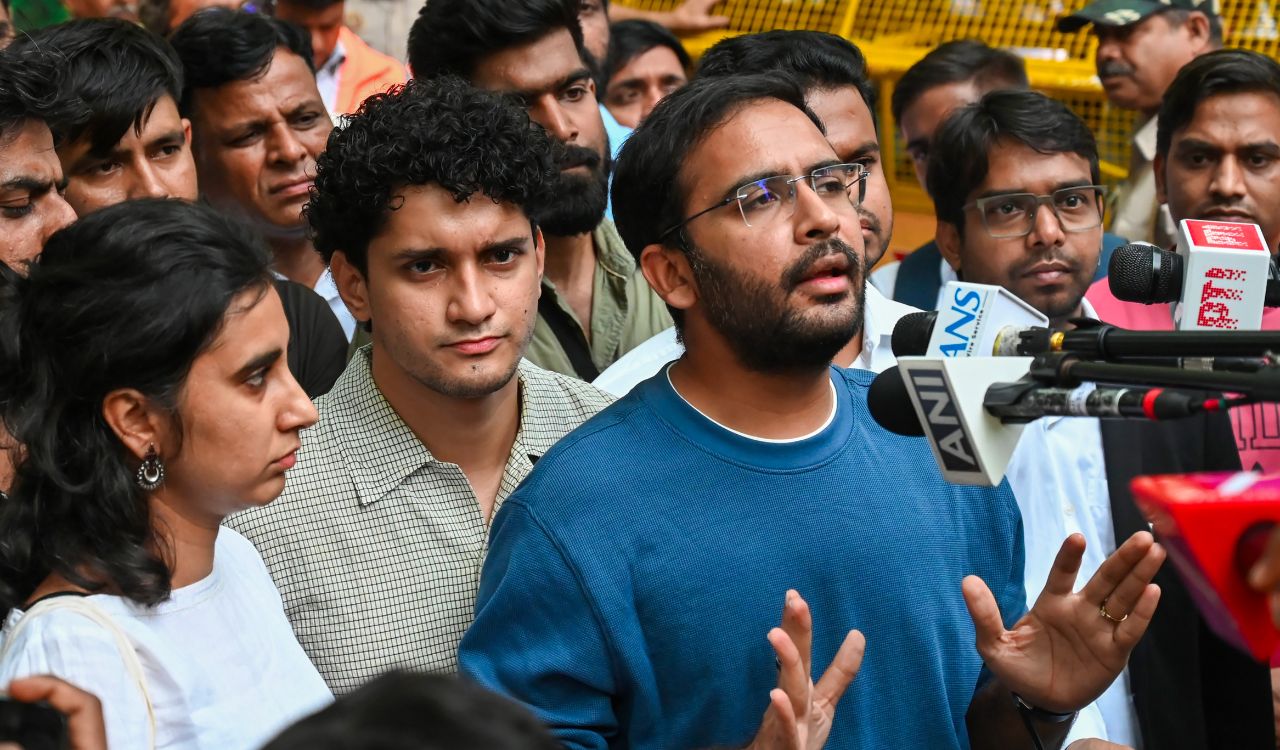
The case has become a lightning rod for broader debates about the nature of dissent in the capital. The friction between the police's enforcement of peace bonds and the CJP's right to protest has drawn sharp commentary. Brijendra Singh noted the perceived irony in the government's stance, stating, "If the government has an objection even to a protest with the Tricolour, then this is the same government that organises Tricolour marches and rallies across the country."
As it stands, the legal machinery is in a state of high-tension waiting. The Delhi Police has successfully sought the three-day extension of judicial custody for Saurav Das and Ashutosh Ranka, keeping the CJP leaders within the state's grasp. With the High Court having stepped back to allow the SEM to conclude its work, the focus remains on the magistrate's eventual ruling, which will determine whether this breach of a peace bond is a minor infraction or a significant legal transgression.