
On 2026-10-14, Devlet Bahçeli, the head of the Nationalist Movement Party, took to the public stage to address the state of relations between Turkey and Azerbaijan. His remarks came just hours before a scheduled summit in Ankara that would bring together President Recep Tayyip Erdoğan and Azerbaijani President Ilham Aliyev. The timing gave his words a sense of immediacy, as observers waited to see whether the leaders’ meeting would reflect the sentiments he was about to express.
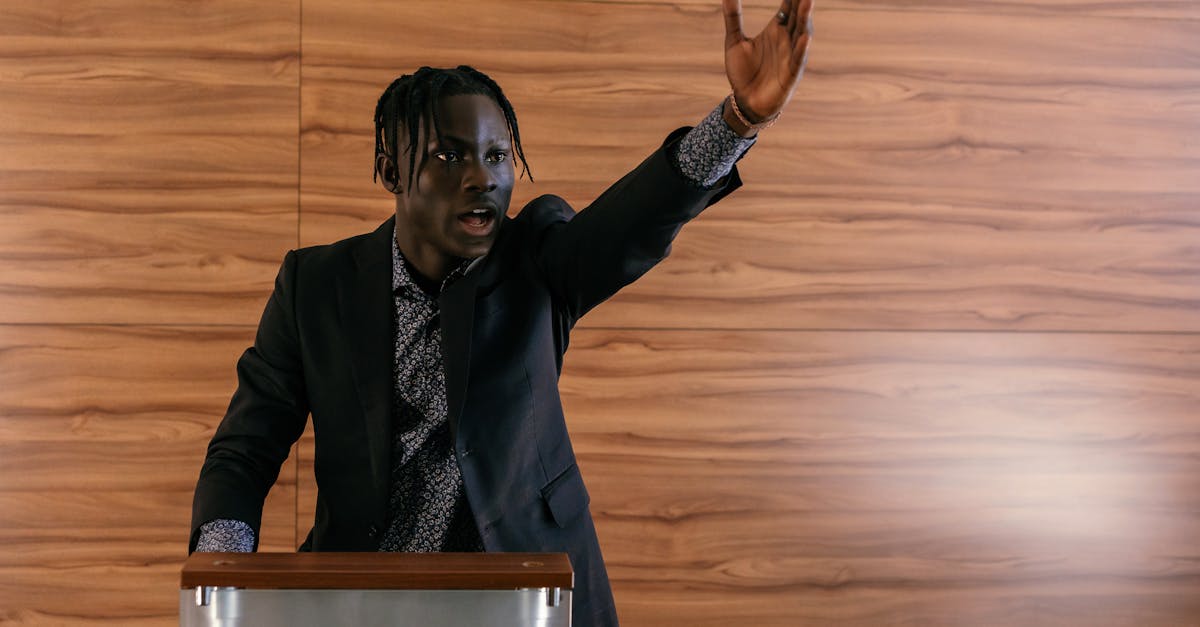
Bahçeli opened his statement by cautioning that any "nifak tohumu" – a phrase he used to describe inflammatory or divisive speech – must not be allowed to take root between the two nations. He argued that such rhetoric could undermine the "kardeşlik hukuku ve gönül bağını", the legal and fraternal bond that ties the Turkish world together, beginning with Azerbaijan. By framing the danger in terms of a seed that could be planted in their relationship, he emphasized the need for vigilance in public discourse. The warning was not merely abstract; it was tied to concrete concerns about how political developments might spill over into cultural and historical ties. He insisted that the "tarihi, kültürel ve kardeşlik bağları" between Turkey and Azerbaijan rest on a shared memory and a heartfelt connection that transcends the fluctuations of day‑to‑day politics. In this way, Bahçeli positioned the preservation of those bonds as a responsibility that lies with both governments and citizens alike.
Turning to a specific point of contention, Bahçeli addressed reactions to the headscarf ban that had been implemented in Azerbaijan. He noted that while the policy had drawn commentary, the appropriate response was to uphold "karşımlı saygı" – mutual respect – between the Turkish republics. He stressed that the sovereignty and independence of each state must be acknowledged, and that cooperation should deepen on that foundation. By linking respect for national sovereignty with the broader goal of strengthening collaboration, he sought to deflect criticism that the ban might signal a rupture in Turkish‑Azerbaijani solidarity. Instead, he presented the issue as one that could be managed through dialogue and a shared commitment to the principles of brotherhood.
He noted that while the policy had drawn commentary, the appropriate response was to uphold "karşımlı saygı" – mutual respect – between the Turkish republics.
Bahçeli concluded by pointing to the imminent Erdoğan‑Aliyev encounter as the moment that would "kardeşliğin sarsılmaz iradesini ortaya koyacaktır" – demonstrate the unshakable will of brotherhood between the two countries. He framed the summit not as a routine diplomatic engagement but as a concrete test of whether the ties he had described could withstand external pressures. The meeting in Ankara, set for the same day as his statement, would therefore serve as a barometer of the health of the relationship he sought to protect. If the leaders emerged with a joint affirmation of cooperation, it would validate his call to guard against divisive speech and to nurture the historical and cultural links that bind Turkey and Azerbaijan.
As of 2026-10-14, the summit had taken place, and the statements made by Bahçeli remained part of the public record, offering a lens through which to interpret the outcomes of the Erdoğan‑Aliyev talks and the ongoing dialogue between the two nations.