On October 28, 2026, Spain was jolted by a catastrophic train accident in the town of Urda. The crash claimed the lives of 64 passengers, a figure that quickly rose to 68 as emergency crews worked through the wreckage. In the same afternoon, another derailment occurred near Toledo, compounding the nation’s grief and raising urgent questions about the safety of the country’s rail network.
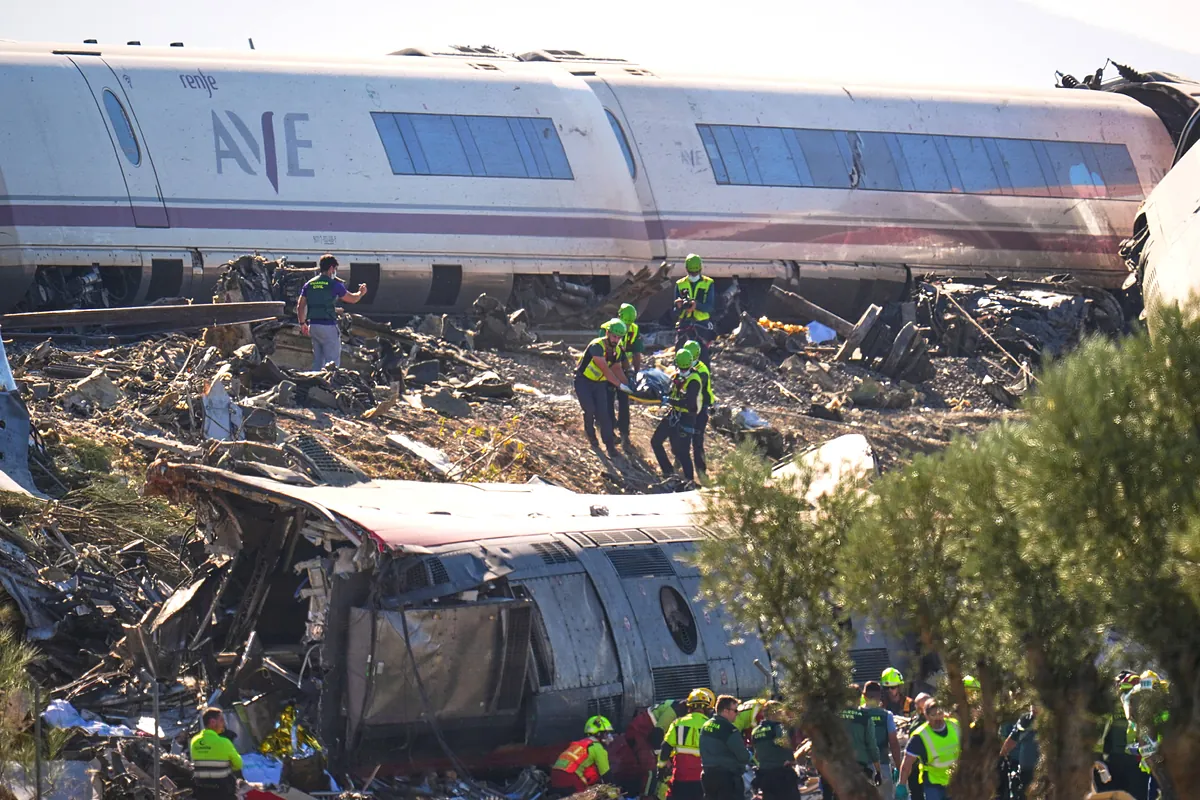
Prime Minister Pedro Sánchez responded within hours, announcing three days of official mourning. “It is intolerable for Spain to suffer two railway accidents in the same year,” he declared, underscoring the emotional weight of the twin disasters. The decree called for flags at half‑mast and a minute of silence across public institutions, a symbolic gesture that resonated in a country still reeling from the loss of so many families.

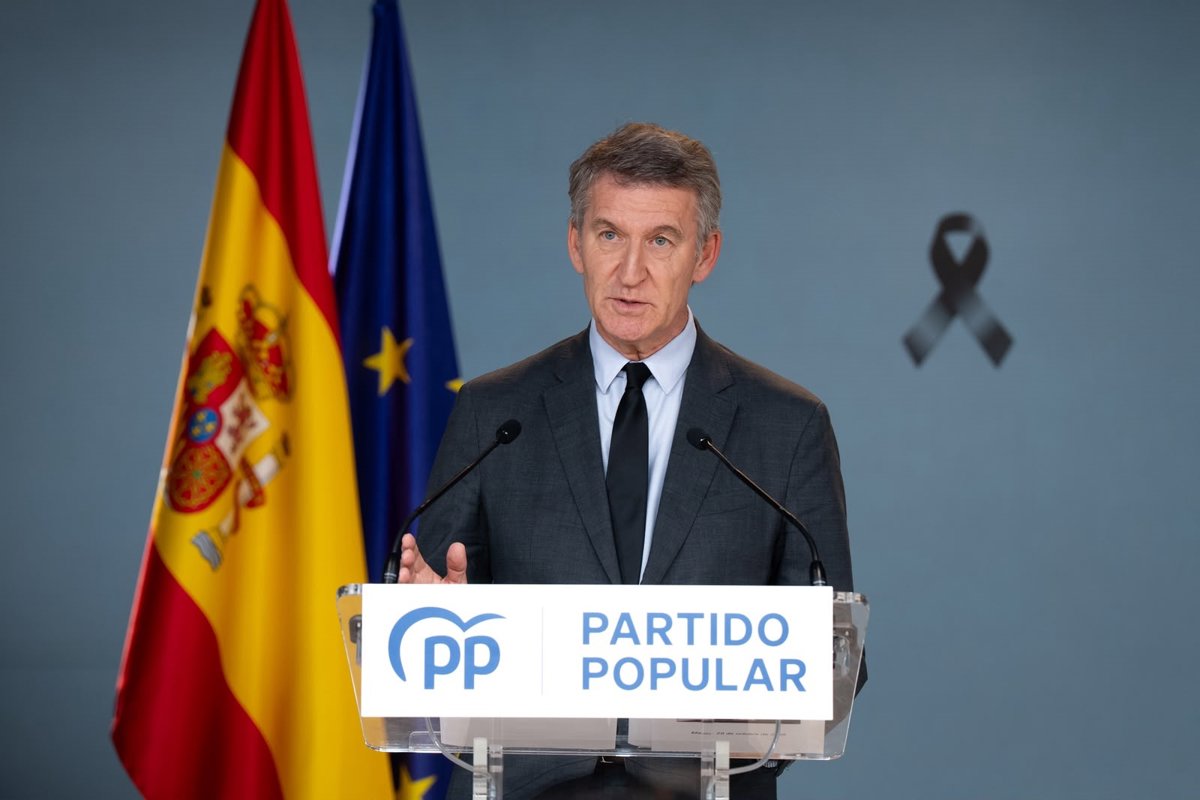
Spanish opposition leader Alberto Núñez Feijóo has demanded an immediate investigation and an independent review of the country's railway network following the high-speed train collision near Toledo that killed at least 68 people. Speaking in Madrid, Feijóo said the public deserved answers about railway infrastructure and called for both government and judicial investigations without interference. #Spain #TrainCrash #RailSafety #Europe
Amid the national sorrow, opposition leader Alberto Núñez Feijóo, head of the centre‑right People’s Party (PP) and a presidential candidate, seized the moment to demand clarity. “Spain must know what is happening with its infrastructure,” he said, emphasizing the public’s right to understand the condition of the tracks, the safety systems, and any warnings that may have been issued after the earlier Adamuz incident.
He asked plainly: “What warnings were received from Adamuz, and what measures were taken?
Feijóo’s statement was unequivocal: “It is essential that an immediate governmental investigation be launched, followed by a judicial inquiry in due time, with all the means and without interference.” He added that the investigation should go “until the end” to uncover the causes of the tragedy.
Feijóo’s remarks arrived at a critical juncture in the electoral calendar. The PP, still campaigning for the upcoming general election, announced it would suspend its agenda to observe a minute of silence for the victims. “The pain does not obligate us to remain silent, and serenity is not silence,” Feijóo asserted, framing the pause as a sign of respect rather than political calculation.
Yet he also drew a line between technical and political responsibility. “Beyond technical responsibilities, we demand the assumption of political responsibilities,” he declared, signaling that the opposition would not shy away from holding the government accountable.
The left‑wing coalition Frente Amplio, already vocal after a previous derailment in Adamuz, intensified its criticism. The alliance called for an independent audit of Spain’s railway infrastructure and services, zeroing in on Transport Minister Óscar Puente. Their demand echoed the broader public outcry: a thorough, impartial review of the high‑speed rail network that had suffered two major accidents within a single year.
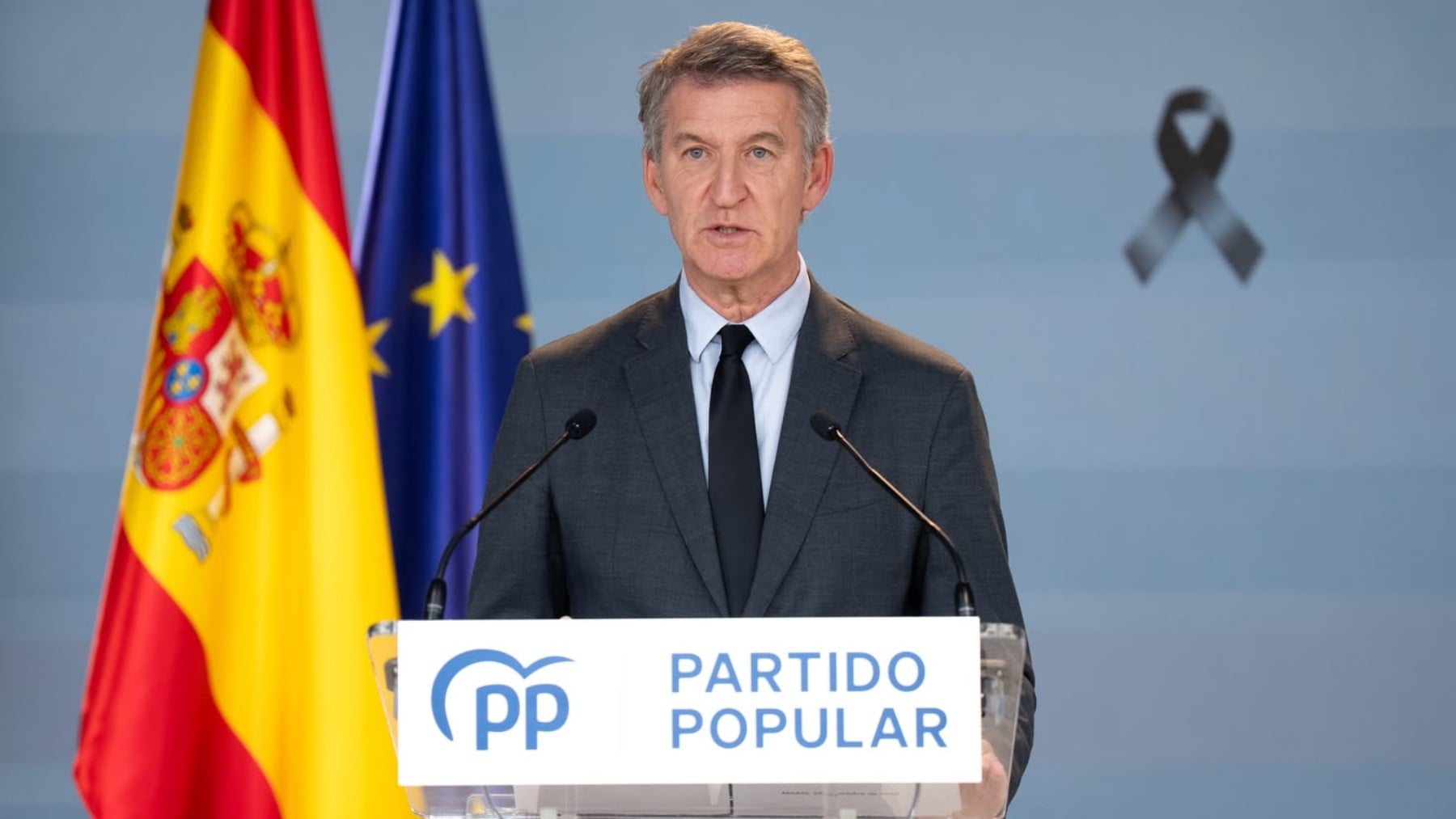
In a rare moment of solidarity, the PP halted its campaign trail to join the nation’s mourning. The party’s decision to forego rallies and speeches for a minute of silence was presented as a gesture of respect for the dead, the injured, and their families. “The sorrow does not silence us; it compels us to answer the questions Spaniards are asking with urgency,” Feijóo said, linking the pause to a broader demand for answers.
Earlier in the year, a separate incident had raised alarms about the state of Spain’s rail lines.
He asked plainly: “What warnings were received from Adamuz, and what measures were taken?”
Both the government and the opposition converged on one point: the need for a comprehensive, independent review of the rail network. Sánchez promised that “if there have been negligence, it will be known. The promise of a “complete and independent review” aligns with Feijóo’s call for transparency, suggesting that, despite political rivalry, there is a shared acknowledgment that the rail system’s integrity must be scrutinized.
The dual investigations—governmental and judicial—are intended to operate in parallel, each with distinct mandates but a common goal of uncovering the truth. Feijóo stressed that these inquiries must be conducted “without interference,” a phrase that hints at concerns over potential political pressure on the investigative bodies.
As Spain mourns the 68 victims of the Urda crash and the additional casualties from Toledo, the nation stands at a crossroads.
The coming weeks will test the resolve of both the ruling Socialist Workers’ Party and the opposition PP. Will the promised investigations deliver the transparency the public seeks? Will the independent audit demanded by Frente Amplio expose systemic flaws that have gone unaddressed since Adamuz? And how will these inquiries shape the political landscape as the country approaches its next election?
What is clear is that the tragedy has forced Spain to confront a painful reality: the safety of its railways cannot be taken for granted, and the public’s right to know—about the state of the tracks, the safety systems, and the warnings that may have been ignored—has become an urgent political imperative.
The nation now watches, waiting for the promised “until the end” pursuit of truth, hoping that the loss of 68 lives will not be in vain.