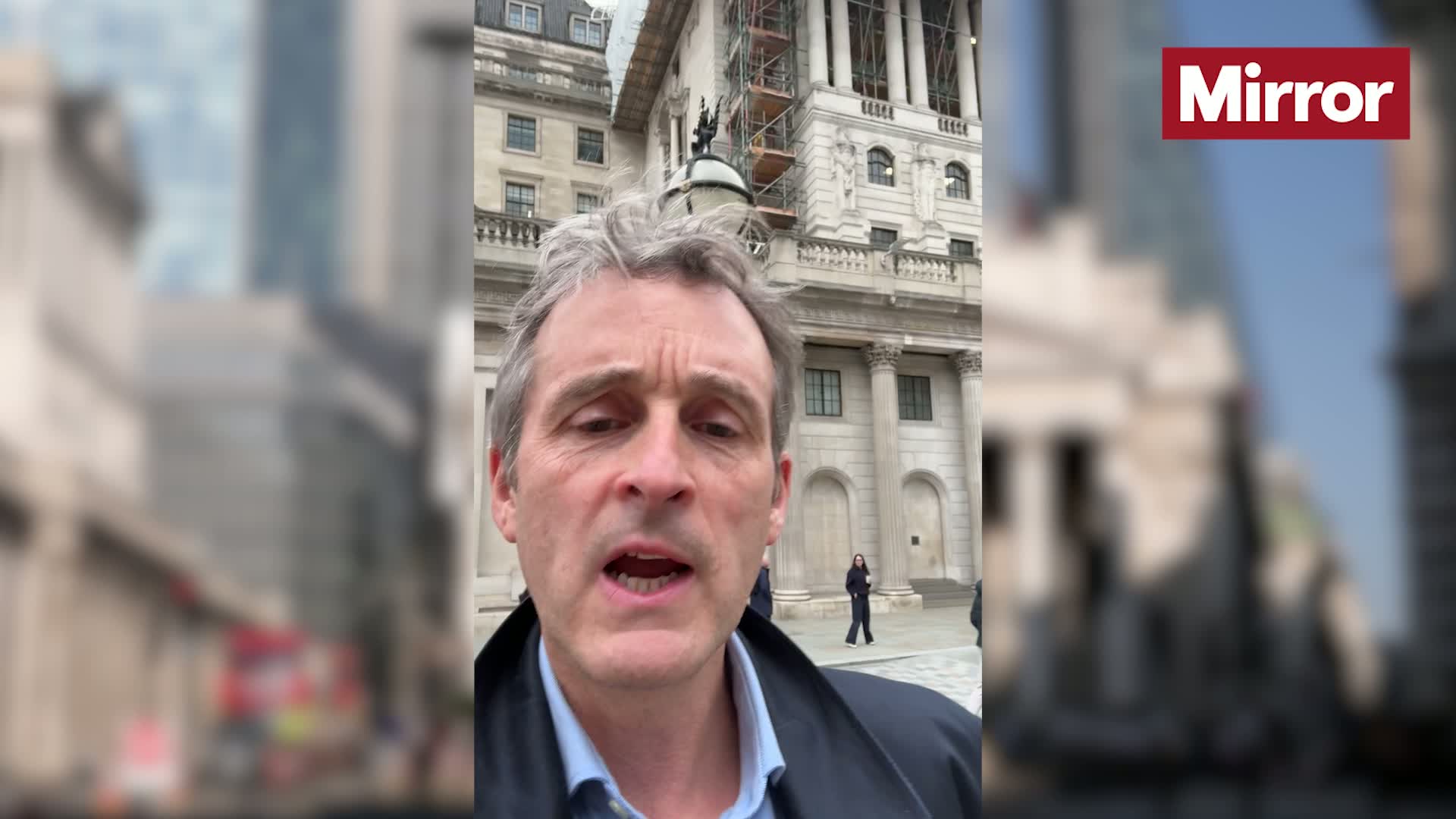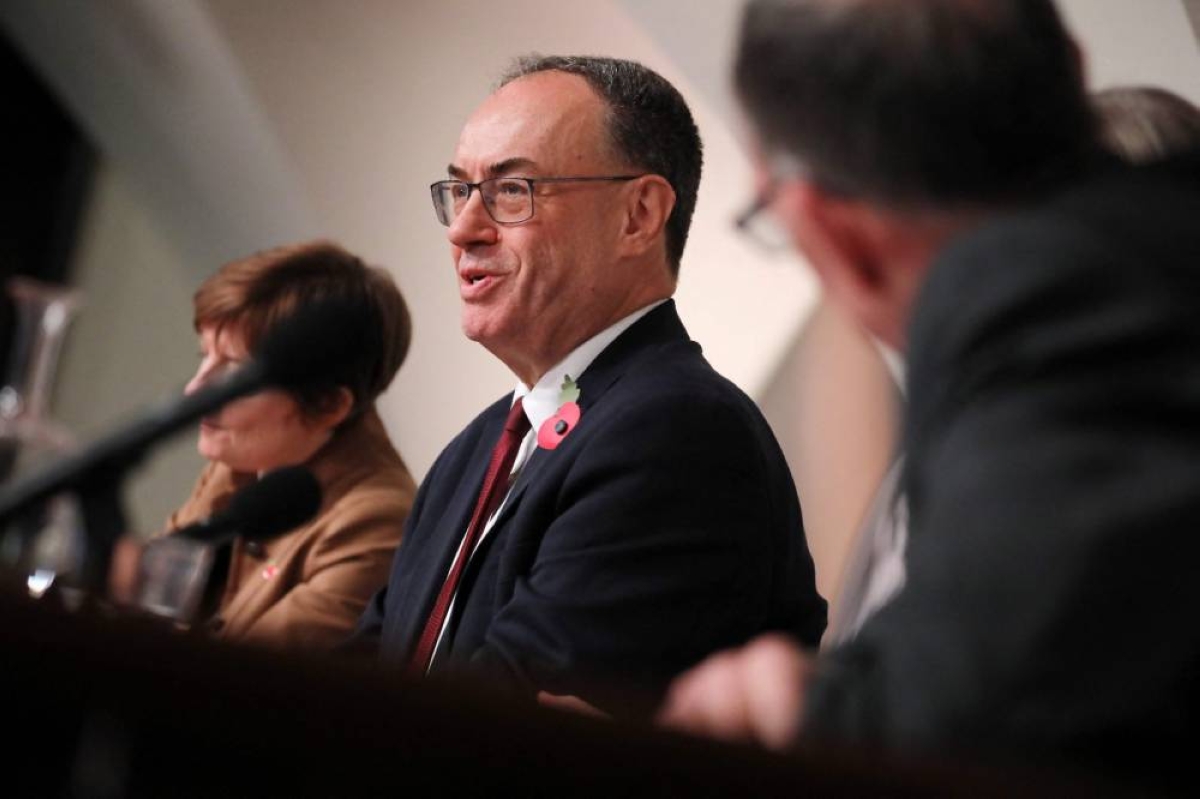
In a move that marks the first interest rate hike since 2023, the Bank of England has raised its base rate to 4%, signaling a shift in economic policy. This decision comes at a critical juncture, as the central bank aims to address inflationary pressures and the ongoing conflict in the Middle East. Governor Andrew Bailey, speaking to the press, emphasized the need for a resolution to the conflict to avoid further rate hikes.

The Bank of England's Monetary Policy Committee (MPC) voted eight to one in favor of the rate increase, with Catherine Mann, a member of the committee, dissenting and calling for a higher rate. The decision reflects the Bank's growing concerns about inflation, which is expected to peak at 4.9% in the second quarter of next year. According to the MPC, inflation could rise to 5% by the middle of next year, driven by factors such as rising energy prices and food inflation. The Bank warns that if oil prices were to rise to $130 a barrel, inflation could surge to over 6%.
The increase in interest rates will have a direct impact on consumers and businesses. For households, the rise in mortgage payments could be significant. The typical monthly mortgage payment for a tracker mortgage is expected to increase by 31 pounds, while those on variable deals will see a rise of 14 pounds. These increases come at a time when many are already grappling with higher energy bills and food prices. Sue Robinson, chief executive of the National Franchised Dealers Association (NFDA), expressed concern, stating, 'The increase in interest rates will be disappointing for automotive retailers and consumers, particularly at a time when household budgets and business costs remain under pressure.'
The Bank of England's latest forecast projects inflation returning to the 2% target by the middle of 2028.
While the Bank of England has taken a measured approach, it has warned that further rate hikes may be necessary if the conflict in the Middle East persists. Governor Andrew Bailey stated, 'The increase in interest rates should not be seen as the first in an inevitably long sequence of hikes, but it does not seem likely to be the last increase unless the conflict in the Middle East is resolved.' This sentiment reflects the Bank's cautious stance, acknowledging the potential for future rate increases but also highlighting the importance of resolving geopolitical tensions.
The Bank of England's latest forecast projects inflation returning to the 2% target by the middle of 2028. However, the current inflation rate is 3.5%, and the Bank expects it to rise to 5% by the middle of next year. This forecast is based on the assumption that energy prices will remain stable, but if they were to rise to $130 a barrel, the Bank warns that inflation could leap to over 6%. The MPC's decision to raise rates by 0.25 percentage points to 4% is seen as a measured response to the economic challenges facing the UK.
The ongoing conflict in the Middle East, particularly the tension between the US and Iran, is a significant factor in the Bank of England's decision. Governor Bailey highlighted the need for a resolution to this conflict, stating, 'Today’s increase shouldn’t necessarily be seen as the first in an inevitable long sequence of hikes. But, unless the conflict in the Middle East is resolved, neither does it seem likely to be the last.' This statement underscores the Bank's belief that geopolitical stability is crucial for maintaining a stable economic environment.
The Bank of England's decision to raise interest rates by 0.25 percentage points to 4% is a response to rising inflation and the ongoing conflict in the Middle East. While the move is seen as measured, the Bank warns that further increases may be necessary if the conflict persists. As the economy faces multiple challenges, the next few months will be crucial in determining the path of future rate hikes and the overall impact on households and businesses.