
The quiet town of Urda, located in the province of Toledo, became the site of a profound national tragedy this week. A high-speed train accident has left the country reeling, with the confirmed death toll reaching 69 individuals. For the families of those lost, the suddenness of the event has created an immediate, desperate need for answers and support. As the wreckage is processed and the identities of the deceased are confirmed, the scale of the disaster has forced a massive, coordinated response from the highest levels of the Spanish government.
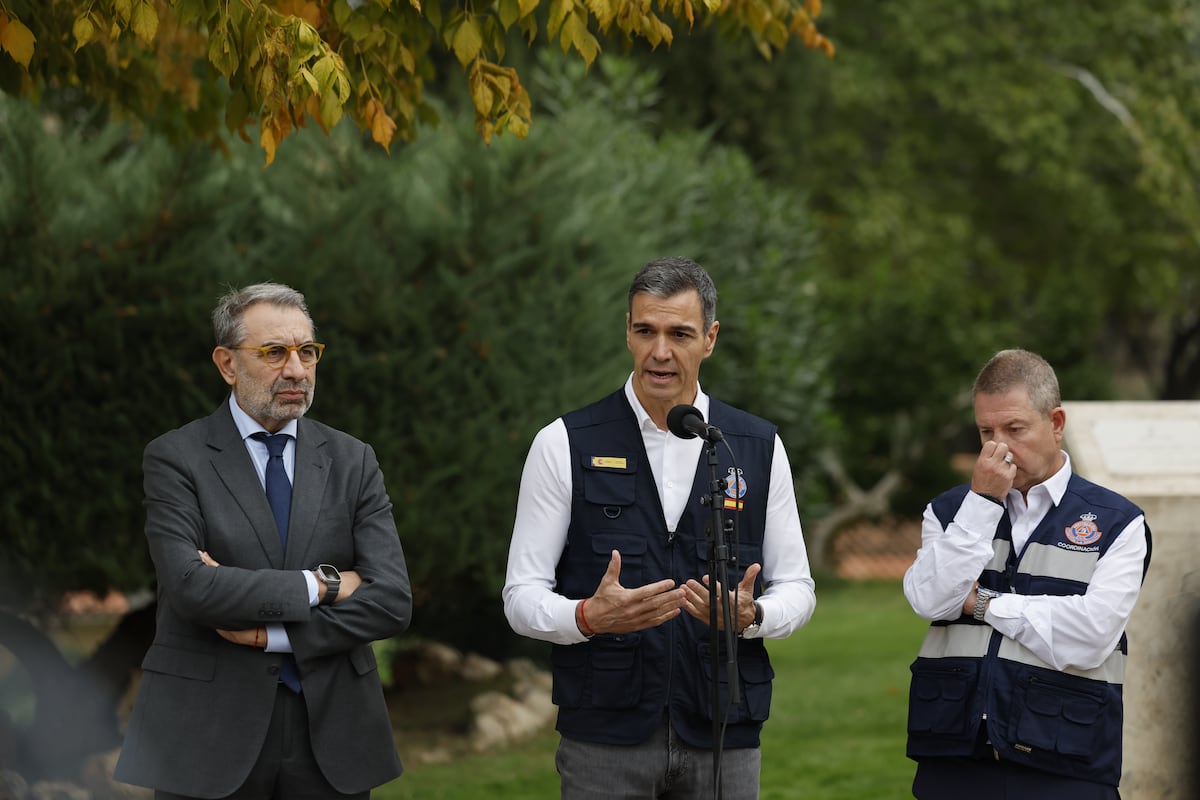
On October 29, 2026, the gravity of the situation prompted the activation of the integrated operational coordination center, known as Cecopi. This body serves as the nerve center for crisis management, bringing together emergency services, regional officials, and national authorities to streamline the recovery process. The primary focus during these initial hours has been the stabilization of the site and the delicate, essential work of identifying the victims. Prime Minister Pedro Sánchez arrived to meet with these officials, signaling the central government’s direct involvement in navigating the aftermath of the crash.
In the wake of the disaster, the emotional and material needs of the survivors have become a priority for the administration. Prime Minister Sánchez has publicly committed the government to providing comprehensive support to the families of the victims. This commitment includes not only the immediate logistical help required during the identification process but also the promise of material compensation. For a government facing a tragedy of this magnitude, the objective is to ensure that the families are not left to navigate the bureaucratic and financial burdens of their loss alone.
Beyond the immediate relief efforts, the question of how such a disaster could occur looms over the national consciousness.
Beyond the immediate relief efforts, the question of how such a disaster could occur looms over the national consciousness. Prime Minister Sánchez has been unequivocal in his pledge to the public, promising that the government will work to clarify the incident "until the last detail." This commitment to a thorough investigation is intended to address the urgent need for accountability. By promising to uncover the precise sequence of events that led to the derailment, the administration hopes to provide the closure that the families and the public demand.
While the investigation into the cause of the accident is ongoing, the government is already looking toward the future of railway safety. Prime Minister Sánchez has emphasized that the goal of the current efforts is to "reinforce safety so that it does not happen again." This forward-looking stance suggests that the findings of the investigation will likely lead to significant changes in safety protocols and infrastructure oversight. The Prime Minister noted that officials are working "day and night" to balance the immediate needs of the grieving families with the long-term necessity of preventing a recurrence of such a catastrophe.
As the investigation continues, the focus remains on the professional response of the public servants who have been on the ground since the accident occurred. The coordination between regional and national authorities remains the backbone of the recovery effort. For now, the country remains in a state of mourning, waiting for the results of the investigation to provide a clearer picture of the tragedy in Urda. The government’s promise to remain transparent and to provide support to those affected serves as the primary bridge between the horror of the event and the long process of national healing.