
In the digital age, a reputation can be dismantled in the time it takes to scroll through a social media feed. For Leire Díez, a former activist for the Socialist Party (PSOE), the assault did not come in the form of a traditional political debate or a policy critique. Instead, it arrived as a phantom—a video constructed by artificial intelligence that breathed life into a fiction so dark it bordered on the cinematic. The video, published on the social media platforms controlled by the People's Party (PP), depicted Díez as something she is not: a conspirator who had allegedly hired hitmen to 'remove' a judge.
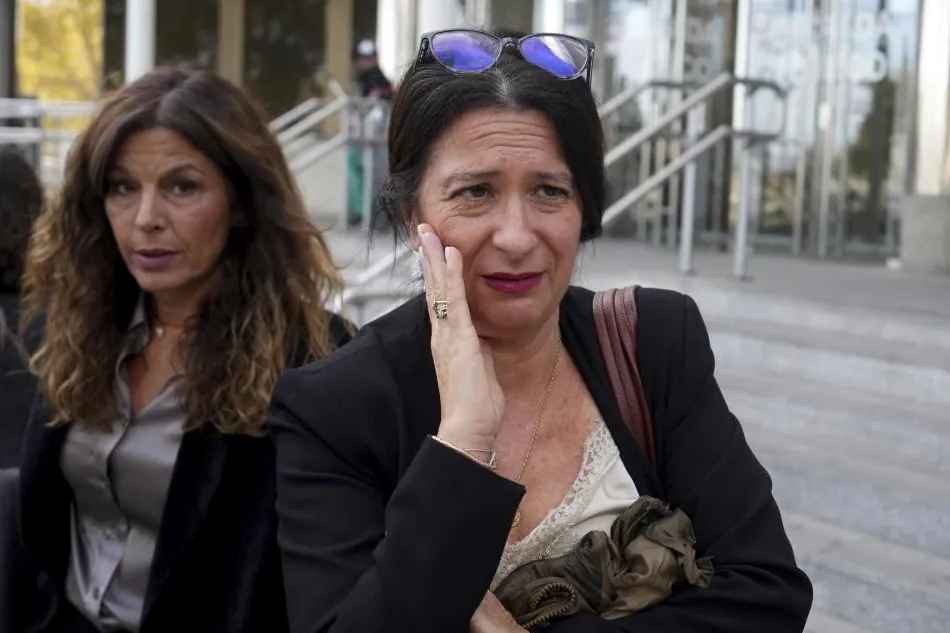
This was not merely a smear; it was a digital fabrication designed to trigger a visceral, emotional response. By using AI to generate the imagery, the creators of the video bypassed the traditional safeguards of political discourse, moving straight into the realm of deepfake disinformation. The accusation—that a former militant would resort to contract killings to influence the judiciary—is a heavy, violent charge that carries profound legal and social consequences.
The timeline of this conflict suggests a period of transition that preceded the digital onslaught. On October 3, 2025, Díez left the PSOE headquarters, marking the end of her formal involvement with the party. In the high-stakes world of Spanish politics, the departure of an activist can often be met with scrutiny, but the escalation that followed moved far beyond standard political maneuvering.
The implications of the video extend well beyond the personal reputation of Leire Díez.
What began as a personal transition evolved into a targeted campaign. The video released by the PP did not exist in a vacuum; it was part of a broader pattern of content that featured other prominent figures, suggesting a systematic approach to using synthetic media to target specific individuals. This was not an isolated incident of digital error, but a deliberate deployment of technology to shape public perception through falsehoods.
Responding to the digital apparition, Díez moved from the political sphere into the judicial one. On October 23, 2026, she filed a criminal complaint against the PP. The legal action is a direct challenge to the use of AI as a weapon of character assassination. Her legal team is not merely seeking a retraction; they are demanding a thorough investigation into the origins and intent of the video.
The core of the complaint rests on the fact that the video is a fabrication. In a legal sense, the use of AI to attribute criminal intent—specifically the hiring of hitmen—constitutes a profound violation of truth. The complaint seeks the immediate removal of the video from all digital platforms under the control of the PP, aiming to stem the tide of the misinformation before it can settle into the permanent record of the internet.
The implications of the video extend well beyond the personal reputation of Leire Díez. The legal proceedings are unfolding against the backdrop of a much larger, more systemic investigation. Authorities are looking into what is described as a broader destabilization plot, one that targets not only the PSOE and the current government but also the family members of Prime Minister Pedro Sánchez.
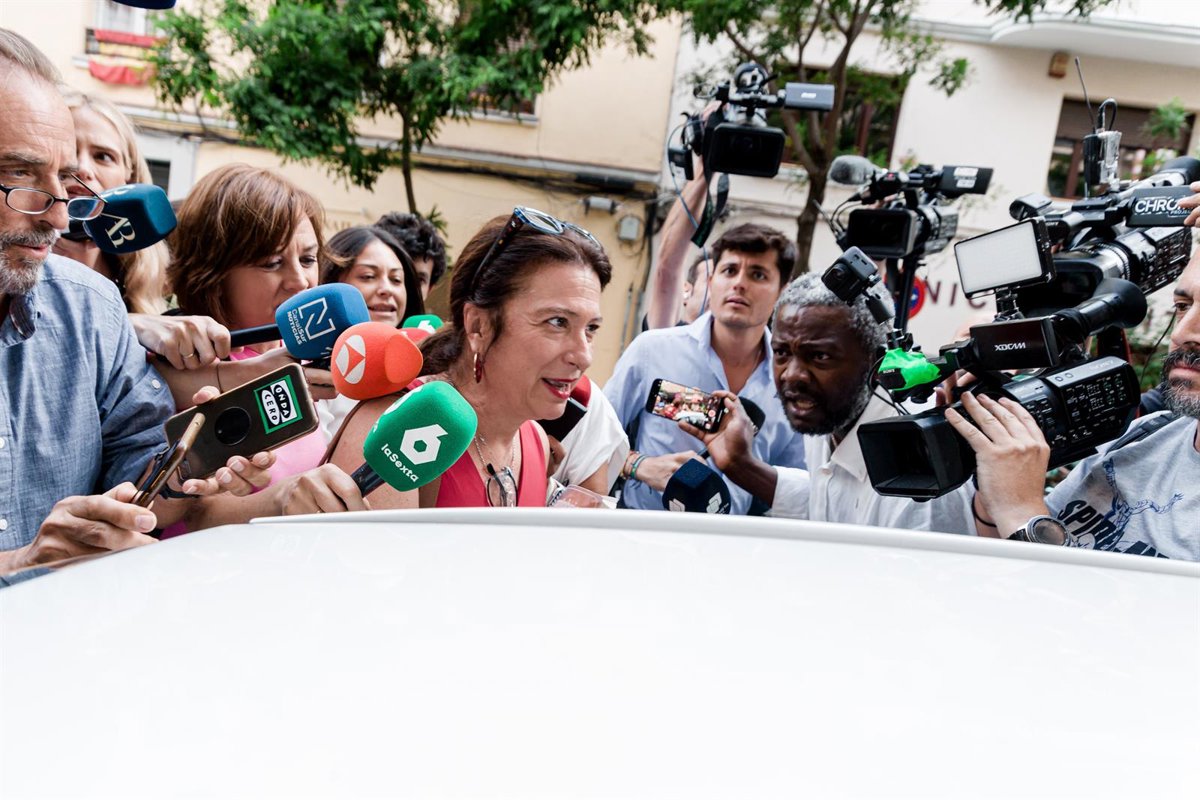
This suggests that the AI-generated video against Díez may be one thread in a larger tapestry of digital warfare. When political actors use synthetic media to target individuals, the goal is often to create a sense of chaos and distrust in public institutions. By accusing activists of violent plots against judges, the creators of such content strike at the heart of the rule of law, attempting to erode the perceived stability of the government and the judiciary itself.
For the PP, the publication of these videos on their social media channels represents a new frontier in political communication. While political parties have always engaged in aggressive rhetoric, the transition to AI-generated content changes the nature of the engagement. Traditional smears can be debunked with facts; AI smears create a visual memory that is much harder to erase. Even after a video is proven false, the mental image of the accused committing a crime often lingers in the minds of the audience.
This tactic places the burden of proof on the victim. Díez is forced to fight a ghost—to prove that a video showing her committing a crime is, in fact, a mathematical impossibility. The use of the PP's controlled digital platforms to host this content ensures that the reach of the lie is maximized, turning social media feeds into conduits for manufactured scandal.
As the legal battle progresses, the case of Leire Díez stands as a potential landmark for how the law handles the intersection of artificial intelligence and political defamation. The investigation will have to grapple with the complexities of digital provenance: who prompted the AI, who distributed the file, and what was the intended impact on the political landscape?
For now, the situation remains a volatile standoff between a former activist seeking justice and a political entity accused of utilizing the most advanced tools of deception. The outcome of this complaint will likely signal whether the legal system can keep pace with the rapid evolution of digital disinformation, or if the era of the 'digital ghost' will become a standard feature of the political arena.