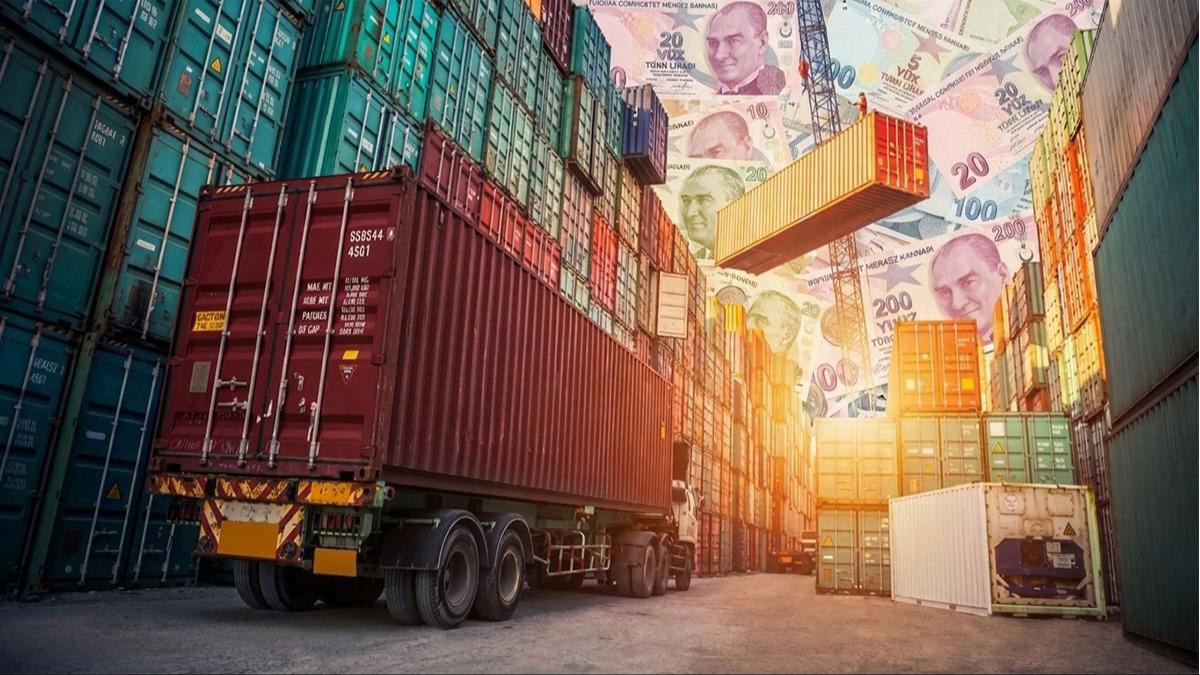
For any company looking to transcend its domestic borders, the transition from a local player to a global brand is a journey fraught with high costs and steep learning curves. It is a process that requires more than just a quality product; it requires a strategic presence in foreign markets, a robust brand identity, and the financial resilience to withstand the pressures of international competition. Recognizing this challenge, the Ministry has introduced new support measures designed to strengthen the position of Turkish brands on the world stage and increase the international competitiveness of companies.

This initiative is not merely about providing capital; it is about developing Turkey's high value-added, branded exports. By focusing on the long-term growth of companies, the Ministry is attempting to shift the economic landscape toward products and services that carry significant brand equity and technological sophistication.
Rather than building entirely new structures from the ground up, the Ministry has chosen to expand the scope of existing support mechanisms. This approach allows companies already participating in established programs to benefit from more flexible and comprehensive rules. The updates are designed to address specific pain points that exporters face when trying to maintain a consistent presence in new territories.
As the global economy becomes increasingly digitized, the importance of software and IT services cannot be overstated.
One of the most significant changes involves the Brand and Turquality Programs. These programs are essential for companies seeking to establish a foothold in foreign markets, providing the necessary framework to build international recognition. Under the new regulations, companies are now allowed to add years in which they did not receive support payments to the end of their target market support period. This flexibility acknowledges the unpredictable nature of global expansion, where a company might need to pause its efforts before resuming its push into a new region.
Under the existing framework of the Brand and Turquality Programs, companies are typically granted a target market support period of five years. This window is intended to provide the stability needed to establish a brand's presence in a specific geography. However, the reality of business often involves interruptions—economic shifts, logistical hurdles, or strategic pivots—that can eat into that precious time.
By allowing companies to append unused years to the end of this five-year period, the Ministry is providing a safety net. This ensures that the support is used effectively, allowing businesses to maximize their window of opportunity without being penalized for periods of inactivity or redirected focus. It turns a rigid timeline into a more adaptable strategic tool.
As the global economy becomes increasingly digitized, the importance of software and IT services cannot be overstated. To ensure that Turkey's growth is underpinned by its own innovation, the Ministry has introduced a new requirement within its consultancy support framework. For companies seeking support for software products and services, a Technological Product Document, known as a TÜR Document, is now required.
This move is a calculated effort to encourage the use of domestic technology solutions. By tying consultancy support to the TÜR Document, the Ministry is fostering a domestic technology ecosystem. The goal is to ensure that as Turkish companies expand globally, they are utilizing and strengthening the technological foundations built at home, creating a virtuous cycle of domestic innovation and international export.
Trade fairs have long been the frontline of international commerce, serving as the primary stage where brands meet new customers and establish industry credibility. However, the cost of participating in these global events can be prohibitive, often acting as a barrier to entry for ambitious companies.
To lower this barrier, the Ministry has announced a significant boost to fair participation support. Participation in Turkish export product fairs will now be supported at a rate of 75 percent. Crucially, this support is exempt from the standard support upper limits that typically govern other types of assistance. This change allows companies to engage more deeply and frequently with international markets, ensuring that the cost of visibility does not stifle their growth ambitions.
On October 31, 2026, the Ministry officially implemented these new support mechanisms and announced the measures for exporters and Turkish brands. The rollout represents a dual-track strategy: providing the flexibility needed to navigate the complexities of market entry while simultaneously demanding a higher standard of technological integration.
By combining financial support for physical presence at fairs with strategic requirements for technological documentation, the Ministry is attempting to curate a specific type of exporter—one that is not only globally visible but also technologically self-reliant. The focus remains on the long-term goal of transforming the Turkish export profile into one defined by high value and strong, recognizable brands.