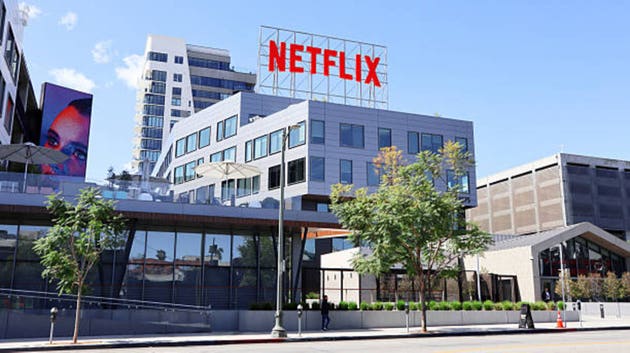
For years, the narrative surrounding Netflix was one of unstoppable momentum. Recently, that narrative underwent a jarring transformation. The company signaled a profound shift in its internal architecture, executing a series of moves that suggest the era of unchecked expansion has been replaced by an era of rigorous discipline.
At the heart of this restructuring is a significant reduction in force. Netflix announced it has laid off 1,000 employees, a move that represents approximately 6% of its total global headcount. For a company that has long been defined by its scale, such a contraction is a fundamental tightening of the belt, a signal to the market that the company is prioritizing lean operations over sheer volume.
While the layoffs impact a broad swath of the workforce, one specific executive departure has sent ripples through the entertainment industry. Dan Lin is no longer with Netflix. Lin was hired in 2024 to bring greater cost discipline and variety to Netflix's films. His departure, occurring alongside the broader layoffs, adds to a series of executive shocks that have characterized the company's recent leadership transitions.
The rise of free, ad-supported streaming platforms, led by giants like YouTube, has fundamentally altered the value proposition of paid content.
To understand why these changes are happening now, one must look toward the changing habits of the global audience. The streaming giant is no longer fighting just other subscription services; it is contending with a much broader and more diverse ecosystem of attention.
The rise of free, ad-supported streaming platforms, led by giants like YouTube, has fundamentally altered the value proposition of paid content. Consumers are increasingly gravitating toward platforms where the cost of entry is zero, even if it means engaging with advertisements. This shift has forced Netflix to reconsider how it delivers value in a world where 'free' is a powerful competitor.
Beyond the structured world of streaming services lies an even more ephemeral competitor: social video. The popularity of short-form, highly engaging social content has created a fragmented attention economy. As social video continues to capture the time once reserved for long-form storytelling, Netflix finds itself in a position where it must not only produce high-quality content but also justify the cost of a subscription against the endless, free stream of social media. This pressure is a primary driver behind the company's recent efforts to refine its content strategy and address its mounting financial challenges.

Analyst predicts Netflix will buy NBCUniversal post-spinoff https://t.co/TRnFMppTYy
The confluence of the 1,000 layoffs and the exit of Dan Lin suggests that Netflix is moving away from a period of rapid, broad-based growth and toward a period of strategic refinement. The company is attempting to solve a complex equation: how to maintain its status as a premier content creator while navigating a landscape defined by rising costs and shifting consumer preferences.
By cutting its headcount and restructuring its film leadership, Netflix is attempting to build a more resilient organization. The goal is to create a content engine that is both diverse in its offerings and disciplined in its spending—a necessity in an era where the competition for eyeballs is more fierce and more varied than ever before.