
On October 27, 2026, as Israelis queued outside polling stations, Prime Minister Binyamin Netanyahu took to a popular social-media platform owned by an American-based company to issue a stark warning. In a post that quickly went viral, he claimed that supporters of the Muslim Brotherhood were "raiding" polling stations, framing the act as an assault on the integrity of the election. The message was aimed at rallying his base, especially right-leaning voters who might view any perceived interference as a justification to head to the polls.
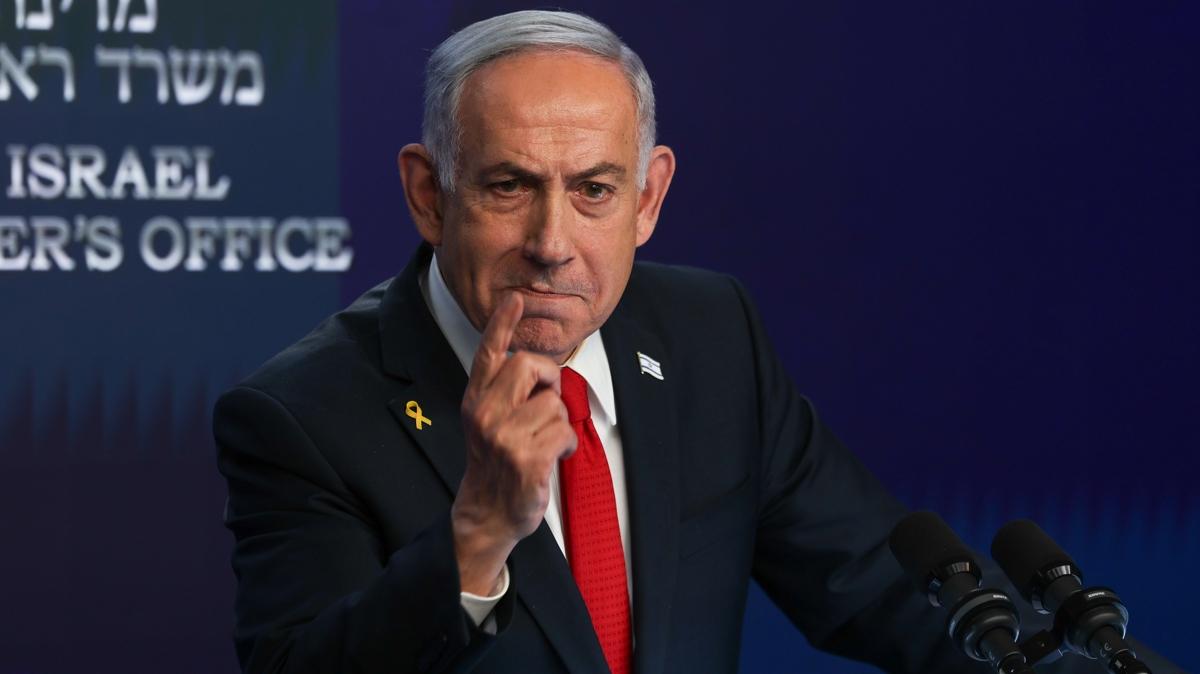
Netanyahu’s timing was deliberate. By posting during the afternoon, he could reach voters who were still deciding whether to cast their ballots. The language—direct, accusatory, and laden with the specter of a transnational Islamist movement—was designed to provoke a strong emotional response and to consolidate support for his Likud party.
The day’s statistics underscored the potency of the political drama. By 14:00, voter turnout stood at 44.9 %, a figure that eclipsed the previous record by 2.7 percentage points. This surge marked the highest participation rate since the 1973 election, which previously held the record for voter turnout.
His broader campaign strategy involved a series of provocative posts intended to boost voter turnout and to consolidate the right-wing electorate.
Such a jump is not merely a numerical curiosity; it signals a shift in the electorate’s engagement. The 2026 surge, therefore, suggested that the electorate—particularly groups that had been less active in prior cycles—felt a heightened stake in the outcome.

🚨As in previous elections, Netanyahu is trying to energize his voters by making racist and false claims about "Muslim Brotherhood supporters" who are "stealing the elections"
One of the most striking elements of the turnout was the pronounced interest among Arab voters.
Netanyahu’s accusation of Muslim Brotherhood involvement directly taps into sensitivities surrounding Arab political activism. By insinuating that a pan-Islamist organization was orchestrating a "raid," the prime minister positioned Arab voters as potential vectors of disruption, even as their numbers on the ballot boxes rose.
Netanyahu’s use of the American-based platform was not an isolated stunt. His broader campaign strategy involved a series of provocative posts intended to boost voter turnout and to consolidate the right-wing electorate. The posts served a dual purpose: they energized Likud supporters while simultaneously casting doubt on the motives of opposition voters.
In the age of digital campaigning, such tactics are increasingly common. By leveraging a platform with a massive user base, Netanyahu could bypass traditional media filters and deliver unmediated messages directly to constituents. The immediacy of the medium also allowed for rapid response to unfolding events on election day, turning the platform into a real-time war room.

🚨 QATAR BLAMES NETANYAHU FOR STANDING HIS GROUND ON GAZA Qatar’s PM claims Netanyahu is “the biggest obstacle right now in progressing this peace plan,” accusing Israel of violations. Translation: Netanyahu won’t accept a deal that leaves Hamas armed. Israel insists Hamas must be fully disarmed before an IDF withdrawal. And unlike others Doha may be accustomed to dealing with, Netanyahu can’t be bought by Qatar or the Muslim Brotherhood.
Reactions to Netanyahu’s claims were mixed, with observers offering both critical and supportive perspectives on his strategy. The provocative nature of the posts generated intense debate over the impact of social media on the electoral process.
The record turnout, coupled with Netanyahu’s high-stakes messaging, suggests a polarized electorate where voter mobilization is increasingly tied to identity politics and security narratives. These dynamics highlight a significant shift in how Israeli politics is conducted in the digital age.
The election of October 27, 2026, therefore stands as a pivotal moment: a day when a prime minister’s provocative social-media messaging coincided with the highest voter participation in more than five decades.

🚨 BREAKING: 🇮🇱 Prime Minister Benjamin Netanyahu claims that supporters of the Muslim Brotherhood are storming polling stations and "stealing the elections," calling on his supporters to "restore the situation."